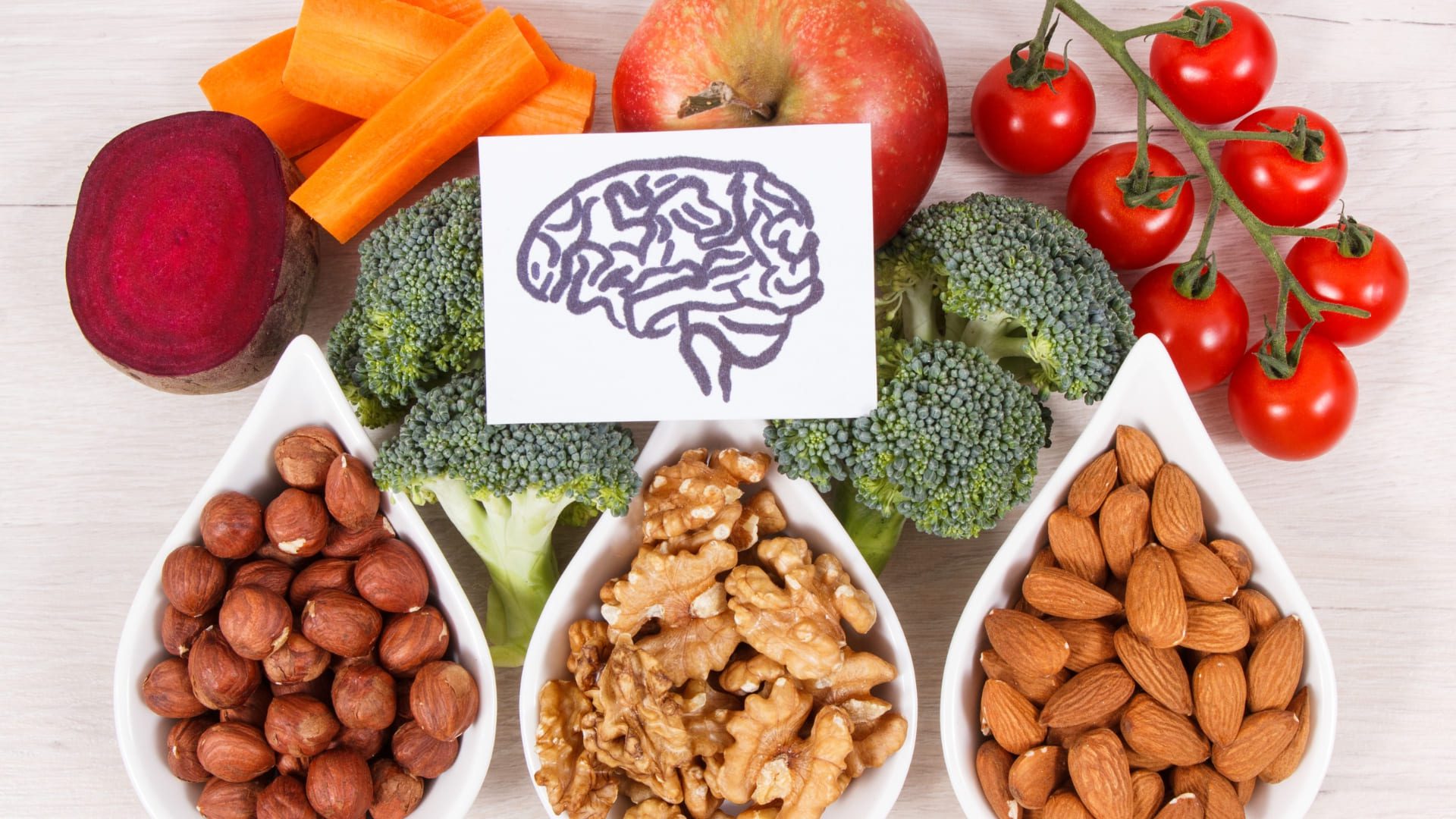
The brain is one of the most important organs in the human body, controlling memory, thinking, focus, and overall cognitive performance. Just like the rest of the body, the brain requires proper nutrition to function efficiently. Certain foods contain nutrients that support brain health, improve memory, enhance concentration, and protect against cognitive decline.
By including brain-boosting foods in your daily diet, you can naturally improve mental clarity, productivity, and long-term brain function. This article explores some of the most effective foods that naturally boost brain power and explains how they support cognitive health.
Table of Contents
- Why Nutrition Matters for Brain Health
- Fatty Fish for Omega-3 Fatty Acids
- Blueberries for Antioxidant Protection
- Nuts and Seeds for Vitamin E
- Dark Chocolate for Improved Focus
- Leafy Green Vegetables for Essential Nutrients
- Eggs for Memory Support
- Turmeric for Brain Protection
- Whole Grains for Steady Energy
- Avocados for Healthy Blood Flow
- Green Tea for Mental Alertness
Why Nutrition Matters for Brain Health
The brain uses about 20 percent of the body’s energy, which means it depends heavily on the nutrients we consume. Foods rich in antioxidants, healthy fats, vitamins, and minerals help protect brain cells and improve communication between neurons.
Poor nutrition, on the other hand, can lead to fatigue, brain fog, memory problems, and reduced concentration. Eating nutrient-dense foods supports mental performance and may reduce the risk of age-related cognitive decline.
Fatty Fish for Omega-3 Fatty Acids
Fatty fish such as salmon, sardines, and mackerel are among the best foods for brain health. They are rich in omega-3 fatty acids, which are essential for building brain and nerve cells.
Omega-3s play a key role in improving memory and learning abilities. They also help reduce inflammation in the brain and may slow down age-related mental decline. Regular consumption of fatty fish is associated with improved cognitive function and better overall brain performance.
If you do not eat fish often, you can also obtain omega-3s from plant sources like flaxseeds, chia seeds, and walnuts.
Blueberries for Antioxidant Protection
Blueberries are often referred to as a brain superfood because they are packed with antioxidants that protect the brain from oxidative stress.
Oxidative stress can damage brain cells and contribute to aging and neurological diseases. The antioxidants in blueberries help reduce inflammation and improve communication between brain cells.
Studies have shown that consuming blueberries regularly may improve memory and delay short-term memory loss. Adding them to smoothies, oatmeal, or yogurt is a simple way to support brain health.
Nuts and Seeds for Vitamin E
Nuts and seeds are excellent sources of vitamin E, a nutrient known for protecting brain cells from damage caused by free radicals.
Almonds, walnuts, sunflower seeds, and pumpkin seeds provide healthy fats and important nutrients that support cognitive function. Vitamin E has been linked to a reduced risk of cognitive decline as people age.
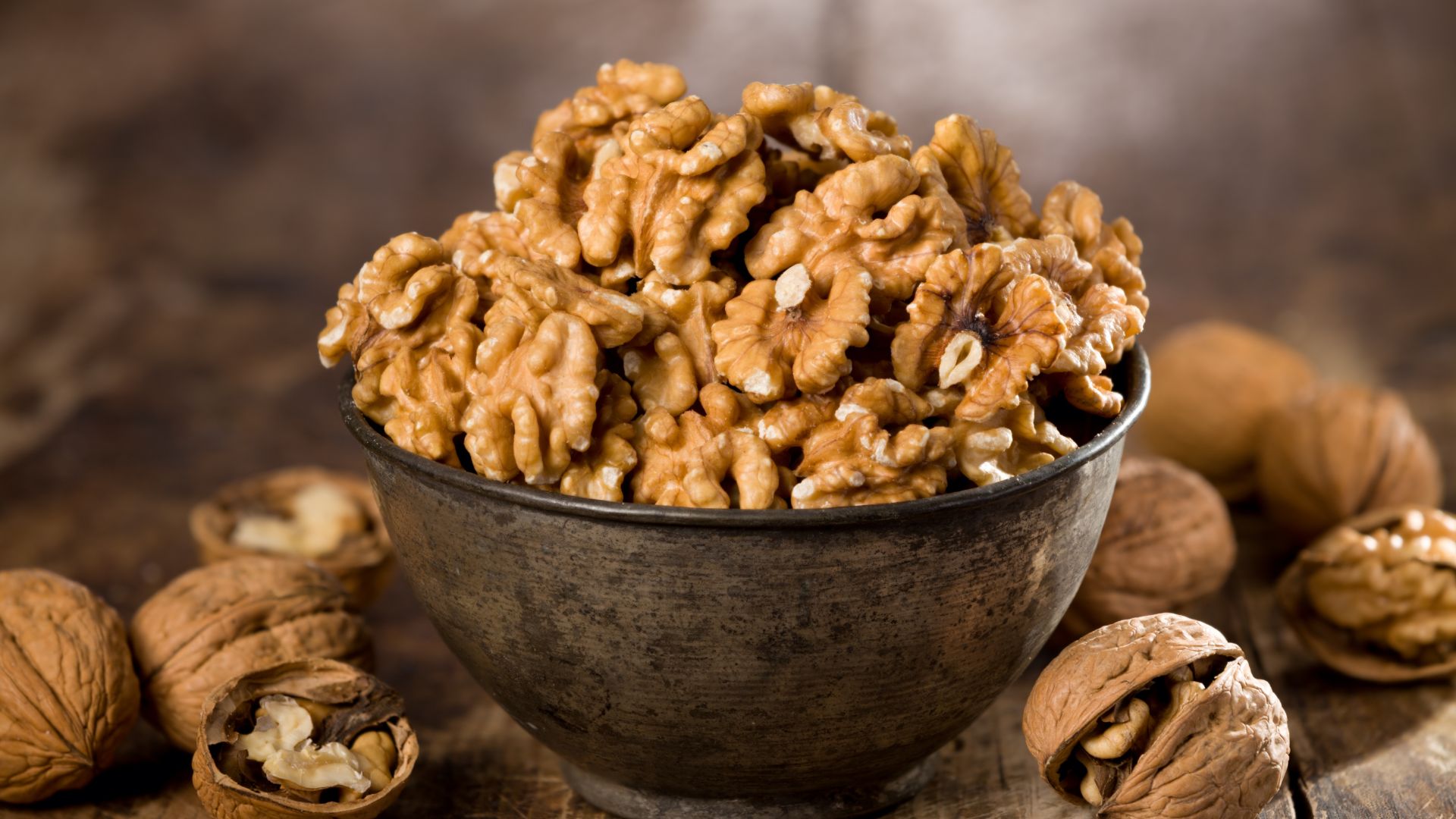
Walnuts, in particular, contain omega-3 fatty acids and antioxidants that support overall brain health.
Dark Chocolate for Improved Focus
Dark chocolate contains flavonoids, caffeine, and antioxidants that help improve brain function. Flavonoids increase blood flow to the brain, which can enhance memory, focus, and learning ability.
The small amount of caffeine in dark chocolate also provides a gentle boost in alertness and concentration. Choosing dark chocolate with at least 70 percent cocoa provides the most health benefits.
Consuming dark chocolate in moderation can support cognitive performance and mental clarity.
Leafy Green Vegetables for Essential Nutrients
Leafy greens such as spinach, kale, and broccoli are rich in nutrients that support brain health, including vitamin K, folate, and antioxidants.
These nutrients help protect brain cells and improve cognitive function. Research suggests that people who consume leafy greens regularly experience slower cognitive decline compared to those who eat them less frequently.
Including a variety of green vegetables in your meals helps nourish the brain and maintain long-term mental health.
Eggs for Memory Support
Eggs are a nutritious food that contains several nutrients important for brain health, including vitamin B6, vitamin B12, folate, and choline.
Choline is particularly important because it helps produce acetylcholine, a neurotransmitter involved in memory and mood regulation. Adequate choline intake supports cognitive development and mental performance.
Adding eggs to breakfast or lunch can help support brain function throughout the day.
Turmeric for Brain Protection
Turmeric contains an active compound called curcumin, which has powerful anti-inflammatory and antioxidant properties.
Curcumin can cross the blood-brain barrier and directly benefit brain cells. It may improve memory, support mood, and promote the growth of new brain cells.
Using turmeric in cooking or drinking turmeric tea can help support long-term brain health.
Whole Grains for Steady Energy
The brain relies on a steady supply of glucose for energy. Whole grains such as oats, brown rice, quinoa, and whole wheat provide slow-releasing carbohydrates that maintain stable energy levels.
Stable blood sugar levels help maintain focus and concentration throughout the day. Whole grains also contain fiber and B vitamins that support overall brain function.
Replacing refined grains with whole grains is a simple step toward better cognitive health.
Avocados for Healthy Blood Flow
Avocados are rich in healthy monounsaturated fats that support healthy blood circulation. Proper blood flow ensures that the brain receives enough oxygen and nutrients.
Avocados also contain vitamin K and folate, which may help prevent blood clots in the brain and improve cognitive function.
Adding avocados to salads, sandwiches, or smoothies can help nourish the brain naturally.
Green Tea for Mental Alertness
Green tea contains caffeine and an amino acid called L-theanine. Together, these compounds improve brain function by enhancing focus, alertness, and relaxation without causing jitteriness.
The antioxidants in green tea also help protect the brain from oxidative stress and may reduce the risk of cognitive decline.
Drinking green tea regularly can support both short-term focus and long-term brain health.
Supporting brain health does not require complicated diets or expensive supplements. Many natural foods provide the essential nutrients needed to improve memory, concentration, and overall cognitive performance.
Fatty fish, blueberries, nuts, leafy greens, eggs, turmeric, whole grains, avocados, dark chocolate, and green tea are among the best foods that naturally boost brain power. By including these foods in your daily meals, you can nourish your brain, improve mental clarity, and protect cognitive health for years to come.
A balanced diet combined with regular exercise, quality sleep, and stress management can further enhance brain function and overall well-being.

References