Estrogen is one of the most important hormones in the body, especially for women’s reproductive health, bone strength, skin health, and mood balance. When estrogen levels become too high or too low, it can lead to symptoms like mood swings, irregular periods, weight changes, fatigue, and skin issues.
The good news is that there are many natural ways to support healthy hormone balance. This guide explains how to balance estrogen naturally through diet, lifestyle, and daily habits.
Table of Contents
What Is Estrogen and Why Is It Important?
Estrogen is a hormone that plays a key role in:
- Menstrual cycle regulation
- Reproductive health
- Bone density
- Heart health
- Skin elasticity
- Mood and brain function
Both low and high estrogen levels can affect overall wellness.
Signs of Estrogen Imbalance
Low Estrogen Symptoms:
- Irregular or missed periods
- Hot flashes
- Dry skin
- Low energy
- Mood changes
- Poor sleep
High Estrogen Symptoms:
- Bloating
- Breast tenderness
- Heavy periods
- Weight gain
- Mood swings
- Headaches
How to Balance Estrogen Naturally
1. Eat a Hormone-Friendly Diet
Nutrition plays a major role in hormone health.
Include:
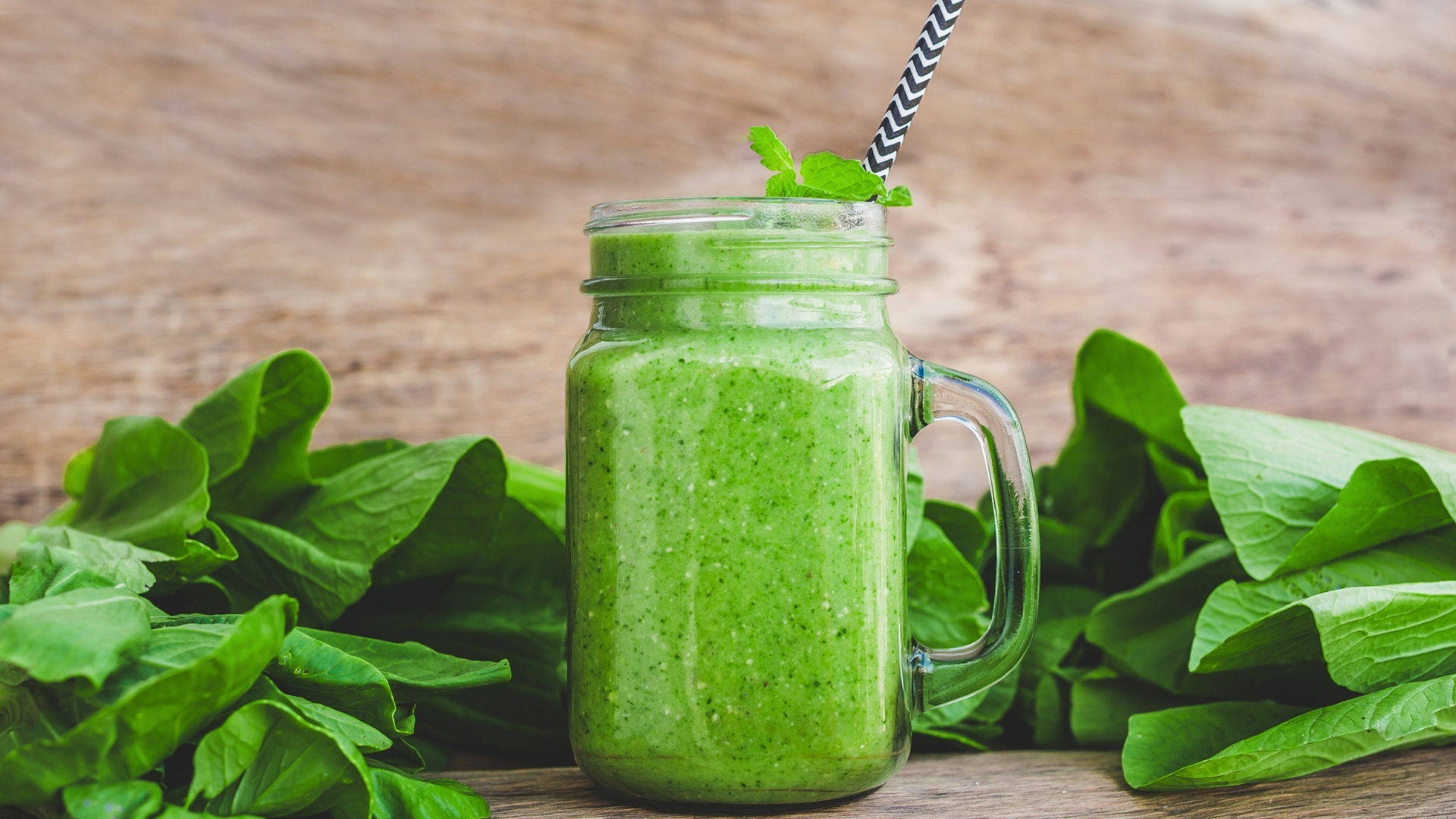
- Leafy greens
- Broccoli, cauliflower, cabbage
- Flaxseeds and sesame seeds
- Berries
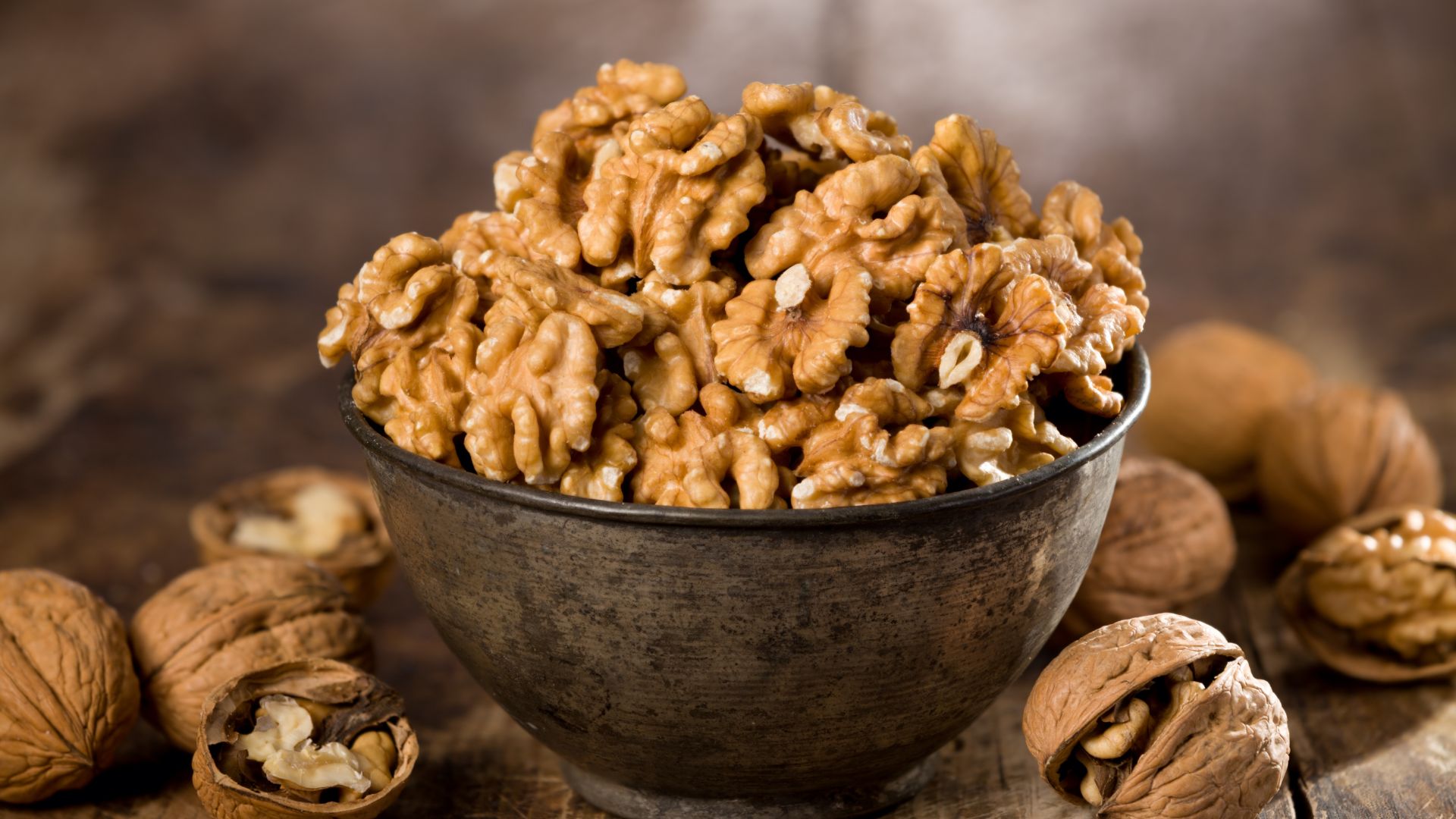
- Healthy fats (avocado, olive oil, nuts)
- High-fiber foods
Limit:
- Processed foods
- Excess sugar
- Alcohol
- Trans fats
Cruciferous vegetables may help support estrogen metabolism.
2. Maintain a Healthy Weight
Body fat can influence estrogen production. Maintaining a healthy weight may help support balanced hormone levels.
3. Exercise Regularly
Movement supports insulin sensitivity, stress balance, and hormone health.
Best Options:
- Walking
- Strength training
- Yoga
- Cycling
- Stretching
Aim for regular moderate exercise.
4. Manage Stress Levels
Chronic stress affects cortisol, which can impact estrogen balance.
Try:
- Meditation
- Deep breathing
- Journaling
- Nature walks
- Prayer or mindfulness
5. Support Gut Health
The gut helps process hormones.
Helpful Foods:
- Yogurt with live cultures
- Fermented foods
- Fiber-rich vegetables
- Plenty of water
Healthy digestion supports hormone balance.
6. Improve Sleep Quality
Poor sleep can disrupt hormones.
Aim For:
7–9 hours of sleep nightly.
Tips:
- Consistent bedtime
- Limit screens before bed
- Dark, cool room
7. Reduce Exposure to Endocrine Disruptors
Some chemicals may interfere with hormones.
Reduce Contact With:
- BPA plastics
- Excess fragrances
- Harsh household chemicals
Choose glass containers and natural products when possible.
8. Consider Seeds and Phytoestrogen Foods
Some plant foods contain natural compounds that may support hormone balance.
Examples:
- Flaxseeds
- Soy foods (moderate amounts)
- Sesame seeds
- Chickpeas
Best Daily Habits for Estrogen Balance
- Start the day with hydration
- Eat balanced meals
- Move your body daily
- Sleep consistently
- Reduce stress
- Stay hydrated
Common Mistakes to Avoid
- Extreme dieting
- Chronic stress
- Too little sleep
- Sedentary lifestyle
- Excess alcohol
- Highly processed foods
When to See a Doctor
Consult a healthcare professional if you experience:
- Very irregular periods
- Severe PMS symptoms
- Fertility concerns
- Persistent fatigue
- Sudden weight changes
- Menopause-related symptoms
Testing may help identify hormone issues.
Learning how to balance estrogen naturally starts with healthy daily habits. Nutritious food, regular exercise, stress management, better sleep, and reducing chemical exposure can all support hormonal wellness.
Small consistent changes often create the biggest long-term results.

References