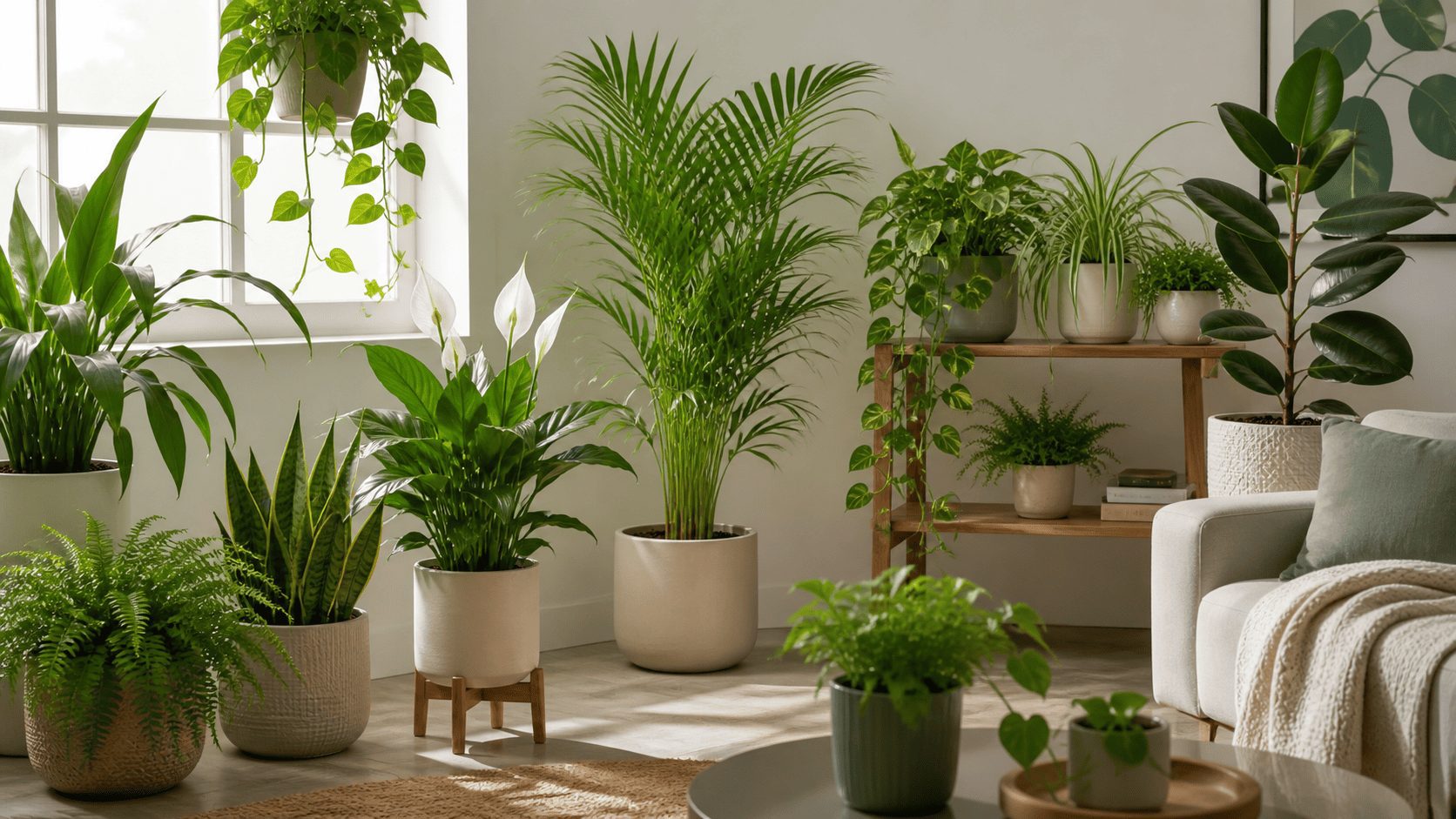
Indoor air quality has become a growing concern as people spend more time inside homes and offices. Pollutants such as dust, volatile organic compounds (VOCs), and allergens can accumulate in enclosed spaces. One natural and visually appealing solution is incorporating indoor plants. Beyond aesthetics, certain plants can help improve air quality and create a healthier environment.
Table of Contents
Why Indoor Air Quality Matters
Poor indoor air quality can lead to headaches, fatigue, allergies, and respiratory issues. Common sources of indoor pollution include cleaning products, furniture, paints, and poor ventilation. Improving air quality is essential for overall health, productivity, and well-being.
How Indoor Plants Help Purify Air
Plants contribute to better air quality through several natural processes:
- Absorption of toxins: Plants can absorb harmful chemicals through their leaves and roots.
- Oxygen production: Through photosynthesis, plants release oxygen, improving freshness indoors.
- Humidity regulation: Plants release moisture, which can help reduce dryness in the air.
- Dust reduction: Leaves can trap dust particles, keeping them out of the air you breathe.
Best Indoor Plants for Air Quality
1. Snake Plant (Sansevieria)
- Known for its ability to filter toxins like formaldehyde and benzene
- Produces oxygen even at night
- Low maintenance and ideal for beginners
2. Spider Plant
- Effective at removing carbon monoxide and pollutants
- Easy to grow and propagate
- Safe for pets
3. Peace Lily
- Helps reduce mold spores in the air
- Absorbs harmful toxins like ammonia
- Adds elegance with its white blooms
4. Aloe Vera
- Known for medicinal benefits and air purification
- Removes formaldehyde and benzene
- Requires minimal watering
5. Areca Palm
- Acts as a natural humidifier
- Removes airborne toxins
- Great for larger indoor spaces
6. Rubber Plant
- Excellent for removing toxins
- Large leaves help trap airborne particles
- Easy to maintain with moderate light
Tips for Maximizing Air Purification
- Use multiple plants: A single plant has limited impact; group several plants together.
- Keep leaves clean: Dust can block absorption, so wipe leaves regularly.
- Ensure proper care: Healthy plants are more effective at improving air quality.
- Place strategically: Position plants in areas with poor ventilation or high pollutant levels.
Limitations to Consider
While indoor plants can contribute to better air quality, they are not a complete solution. Scientific studies suggest that a large number of plants would be needed to significantly reduce pollutants in a typical room. Therefore, plants should be used alongside proper ventilation and air filtration systems.
Indoor plants are a simple, natural way to enhance air quality while adding beauty to your space. Although they may not replace modern air purifiers, they offer supplementary benefits such as increased oxygen, humidity control, and stress reduction. By choosing the right plants and caring for them properly, you can create a fresher, healthier indoor environment.

References