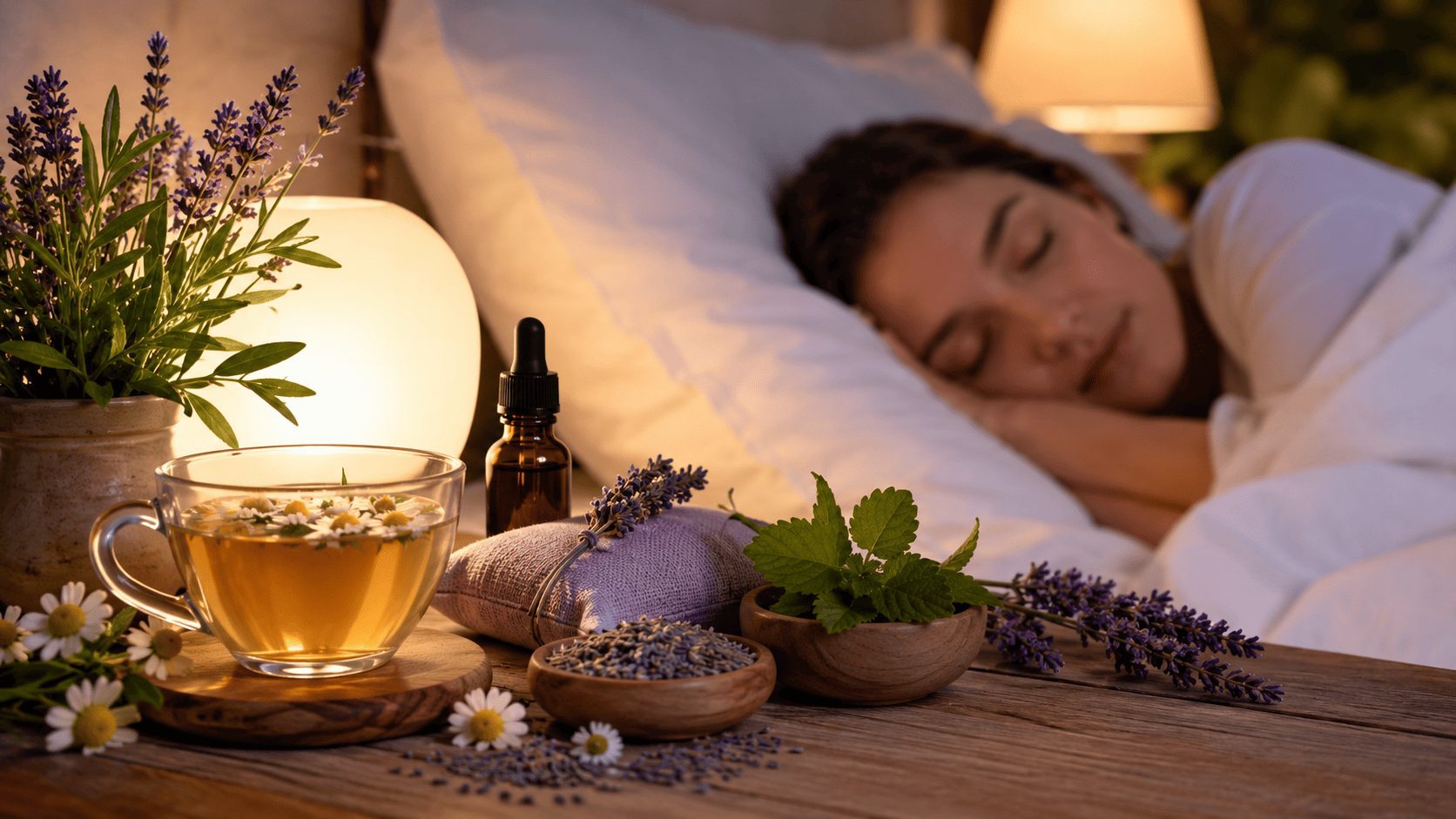
A good night's sleep is essential for physical health, mental well-being, and overall quality of life. Yet millions of people struggle with falling asleep, staying asleep, or waking up feeling refreshed. While prescription medications may help in some cases, many individuals prefer natural remedies for better sleep due to their gentle approach and fewer side effects.
In this article, we'll explore proven natural sleep remedies, lifestyle changes, and relaxation techniques that can help you achieve deeper, more restorative sleep.
Table of Contents
Why Quality Sleep Matters
Sleep plays a critical role in:
- Supporting immune system function
- Improving memory and concentration
- Regulating mood and stress levels
- Promoting heart health
- Maintaining healthy metabolism and weight
Chronic sleep deprivation can increase the risk of anxiety, depression, obesity, diabetes, and cardiovascular diseases. That's why finding effective natural solutions for better sleep is so important.
Top Natural Remedies for Better Sleep
1. Establish a Consistent Sleep Schedule
One of the most effective natural sleep aids is maintaining a regular sleep routine. Going to bed and waking up at the same time every day helps regulate your body's internal clock, also known as the circadian rhythm.
Tips:
- Aim for 7–9 hours of sleep each night.
- Avoid sleeping in excessively on weekends.
- Create a calming bedtime routine.
2. Drink Herbal Teas
Certain herbal teas are known for their calming and sleep-promoting properties.
Chamomile Tea
Chamomile contains antioxidants that may help reduce anxiety and encourage relaxation.
Lavender Tea
Lavender is widely recognized for its soothing aroma and potential sleep-enhancing effects.
Valerian Root Tea
Valerian root has been traditionally used as a natural remedy for insomnia and sleep disturbances.
Note: Consult a healthcare professional before using herbal supplements, especially if you're taking medications.
3. Practice Relaxation Techniques
Stress and anxiety are among the leading causes of sleep problems. Relaxation exercises can calm the nervous system and prepare the body for rest.
Effective techniques include:
- Deep breathing exercises
- Progressive muscle relaxation
- Guided meditation
- Mindfulness practices
- Gentle yoga stretches
Even 10–15 minutes of relaxation before bed can significantly improve sleep quality.
4. Use Aromatherapy
Aromatherapy can create a calming environment that supports better sleep.
Popular essential oils include:
- Lavender
- Bergamot
- Sandalwood
- Cedarwood
Use a diffuser, pillow spray, or diluted essential oil for a relaxing bedtime experience.
5. Limit Screen Time Before Bed
Exposure to blue light from smartphones, tablets, and computers can suppress melatonin production, making it harder to fall asleep.
Best practices:
- Stop using screens at least one hour before bedtime.
- Use blue-light filters if necessary.
- Replace screen time with reading or meditation.
6. Optimize Your Sleep Environment
Your bedroom should be designed to encourage restful sleep.
Consider these adjustments:
- Keep the room cool (around 18–22°C or 65–72°F).
- Use blackout curtains.
- Reduce noise with earplugs or white noise machines.
- Invest in a comfortable mattress and pillows.
A sleep-friendly environment can dramatically improve sleep quality.
7. Eat Sleep-Supporting Foods
Certain foods naturally contain nutrients that help regulate sleep.
Foods That May Promote Better Sleep
These foods provide melatonin, magnesium, potassium, and tryptophan, which support healthy sleep cycles.
8. Stay Physically Active
Regular exercise can help you fall asleep faster and enjoy deeper sleep.
Benefits include:
- Reduced stress and anxiety
- Improved mood
- Better sleep efficiency
Aim for at least 30 minutes of moderate exercise most days of the week. However, avoid intense workouts close to bedtime.
9. Try Natural Magnesium Sources
Magnesium is an essential mineral involved in relaxation and nervous system regulation.
Natural magnesium-rich foods include:
Many people find that increasing magnesium intake helps improve sleep quality and reduce nighttime restlessness.
10. Manage Caffeine and Alcohol Consumption
Caffeine can remain in your system for several hours and interfere with sleep.
For better sleep:
- Avoid caffeine after mid-afternoon.
- Limit alcohol intake before bedtime.
- Choose herbal beverages in the evening.
Reducing stimulants can make a noticeable difference in sleep quality.
When to Seek Professional Help
Natural remedies can be highly effective for mild to moderate sleep difficulties. However, persistent insomnia or severe sleep disturbances may require medical evaluation.
Consult a healthcare provider if you:
- Experience sleep problems for more than a few weeks.
- Snore heavily or stop breathing during sleep.
- Feel excessively tired despite adequate sleep.
- Depend on sleep medications regularly.
Underlying conditions such as sleep apnea, anxiety disorders, or hormonal imbalances may need professional treatment.
Natural remedies for better sleep offer a safe and holistic way to improve sleep quality without relying solely on medication. By maintaining a consistent sleep schedule, practicing relaxation techniques, optimizing your sleep environment, and incorporating sleep-supportive foods and habits, you can enjoy deeper, more restorative rest.
Small lifestyle changes often lead to significant improvements over time. Start with one or two strategies and gradually build a personalized sleep routine that works for you.
Keywords: natural remedies for better sleep, natural sleep aids, sleep improvement tips, herbal remedies for sleep, insomnia remedies, healthy sleep habits, better sleep naturally, sleep wellness.

References