Inflammation is your body's natural response to injury and infection. While short-term (acute) inflammation is essential for healing, long-term (chronic) inflammation can contribute to numerous health conditions, including heart disease, diabetes, arthritis, obesity, and autoimmune disorders.
Fortunately, your diet can play a major role in controlling inflammation. Including anti-inflammatory foods in your daily meals may help reduce inflammation, improve overall health, and lower the risk of chronic diseases.
In this guide, we'll explore the best anti-inflammatory foods, their benefits, foods to avoid, and practical tips for creating an anti-inflammatory diet.
Table of Contents
What Are Anti-Inflammatory Foods?
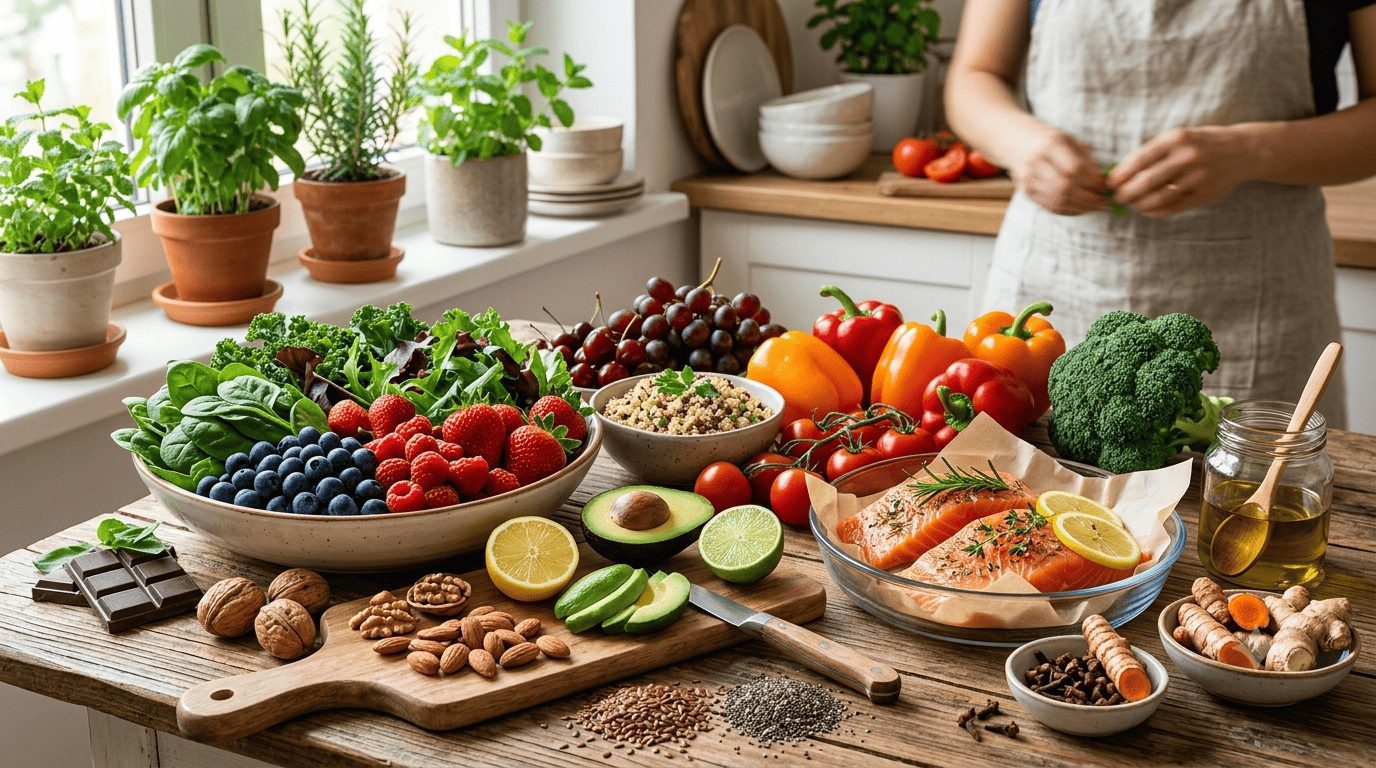
Anti-inflammatory foods are nutrient-rich foods that contain vitamins, minerals, antioxidants, healthy fats, and plant compounds that help reduce inflammation in the body.
These foods work by fighting oxidative stress, supporting the immune system, and protecting cells from damage.
A balanced diet filled with anti-inflammatory ingredients can promote long-term health and improve overall well-being.
Top 15 Anti-Inflammatory Foods
1. Fatty Fish
Fatty fish are among the richest sources of omega-3 fatty acids, which are known to reduce inflammatory markers in the body.
Examples include:
- Salmon
- Sardines
- Mackerel
- Tuna
- Herring
Benefits
- Supports heart health
- Reduces joint inflammation
- Improves brain function
- Helps lower triglycerides
2. Berries
Blueberries, strawberries, raspberries, and blackberries are packed with antioxidants called anthocyanins.
These powerful compounds help reduce inflammation while protecting cells from damage.
Benefits
- Strengthens immunity
- Supports healthy aging
- Improves brain health
- Reduces oxidative stress
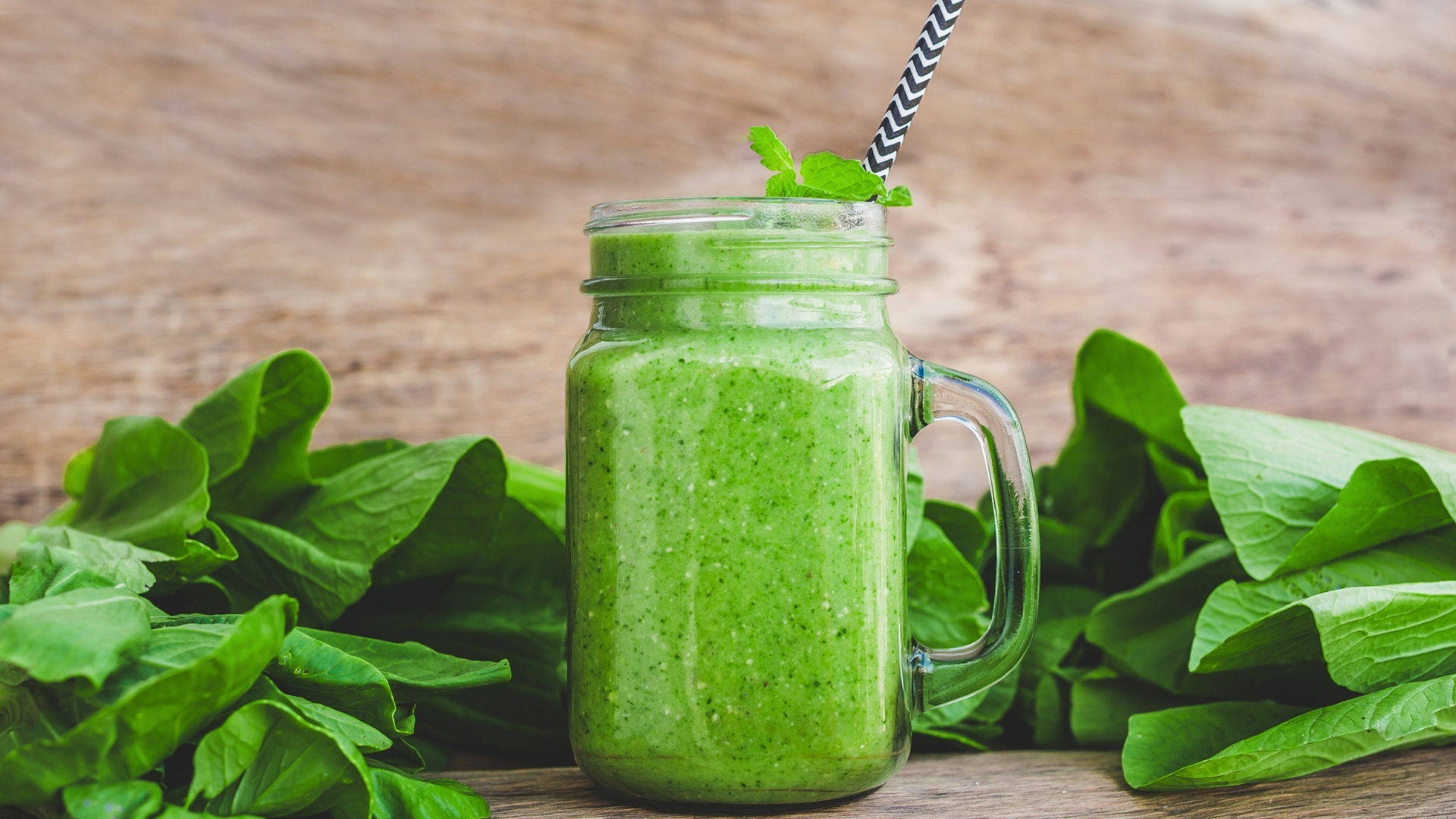
3. Leafy Green Vegetables
Dark leafy greens contain vitamins A, C, E, and K along with fiber and antioxidants.
Best choices include:
- Spinach
- Kale
- Swiss chard
- Collard greens
Benefits
- Detoxifies the body
- Supports healthy digestion
- Protects against chronic diseases
4. Olive Oil
Extra virgin olive oil is a cornerstone of the Mediterranean diet.
It contains oleocanthal, a natural compound with anti-inflammatory properties similar to certain pain-relieving medications.
Benefits
- Supports cardiovascular health
- Lowers inflammation
- Rich in healthy monounsaturated fats
5. Turmeric
Turmeric contains curcumin, one of the most researched natural anti-inflammatory compounds.
Adding black pepper enhances curcumin absorption significantly.
Benefits
- Reduces joint pain
- Supports brain health
- Helps fight chronic inflammation
6. Ginger
Ginger has been used in traditional medicine for centuries due to its anti-inflammatory and antioxidant properties.
Benefits
- Relieves muscle soreness
- Improves digestion
- Reduces nausea
- Supports immune function
7. Tomatoes
Tomatoes are rich in lycopene, a powerful antioxidant that may help reduce inflammation.
Cooking tomatoes increases lycopene availability.
Benefits
- Supports heart health
- Protects against oxidative damage
- Promotes healthy skin
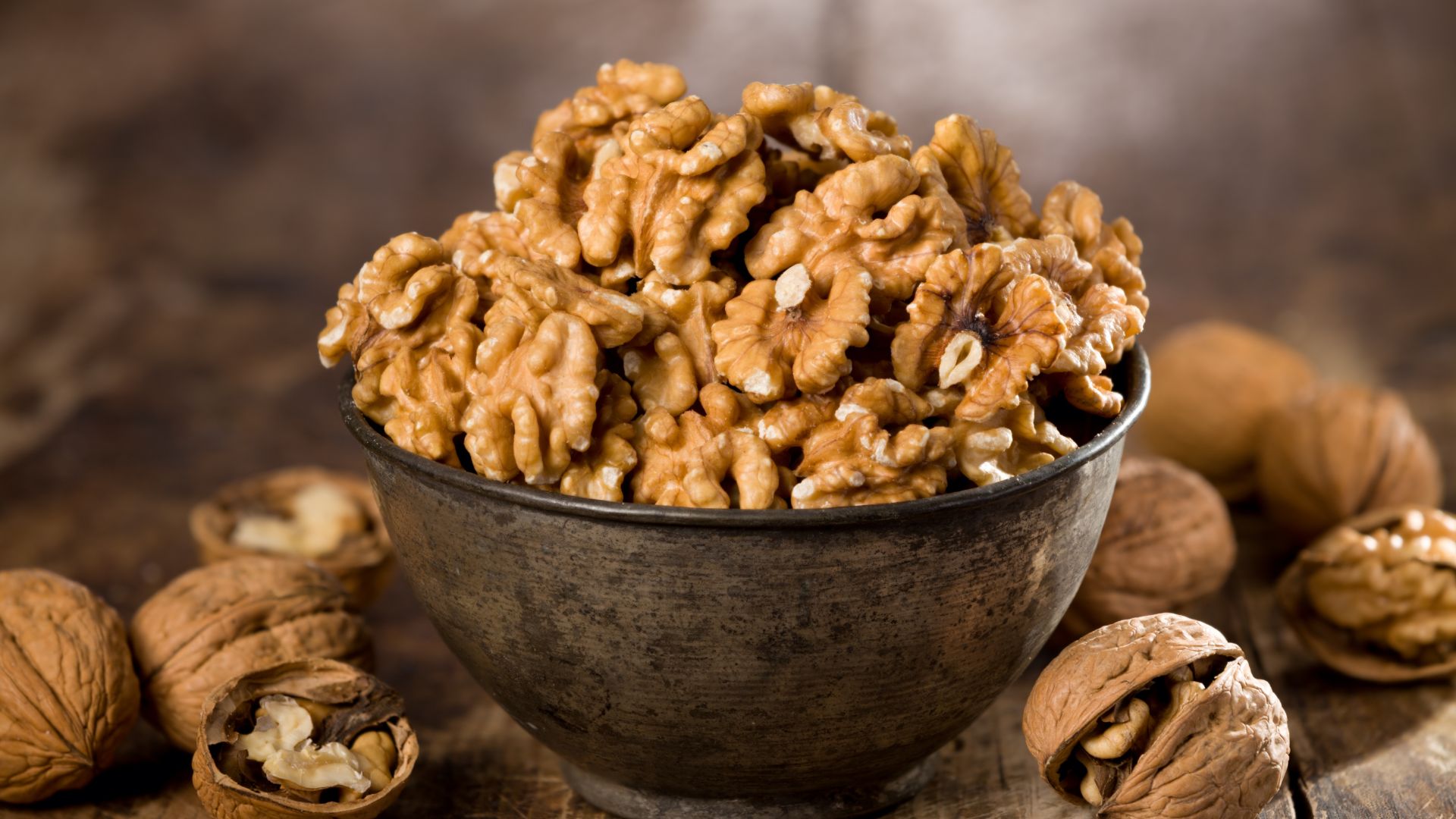
8. Nuts
Nuts provide healthy fats, protein, magnesium, and antioxidants.
Best options include:
- Almonds
- Walnuts
- Pistachios
Benefits
- Improves cholesterol
- Supports brain function
- Reduces inflammation
9. Green Tea
Green tea contains catechins, antioxidants known to combat inflammation and improve metabolism.
Benefits
- Supports weight management
- Improves heart health
- Enhances brain function
10. Avocados
Avocados provide healthy fats, potassium, magnesium, and fiber.
Benefits
- Supports healthy cholesterol
- Promotes skin health
- Reduces inflammation
11. Broccoli
Broccoli contains sulforaphane, a compound shown to reduce inflammation and oxidative stress.
Benefits
- Supports detoxification
- Rich in vitamin C
- Promotes digestive health
12. Garlic
Garlic contains sulfur compounds that may strengthen the immune system while lowering inflammation.
Benefits
- Supports heart health
- Helps regulate blood pressure
- Natural antimicrobial properties
13. Dark Chocolate
Dark chocolate containing at least 70% cocoa is rich in flavonoids that help reduce inflammation.
Enjoy in moderation due to its calorie content.
14. Chia Seeds and Flaxseeds
These seeds provide plant-based omega-3 fatty acids and fiber.
Benefits
- Supports digestion
- Improves heart health
- Helps regulate blood sugar
15. Citrus Fruits
Oranges, lemons, grapefruits, and limes are rich in vitamin C and antioxidants.
Benefits
- Boost immunity
- Promotes collagen production
- Reduces oxidative stress
Foods That Increase Inflammation
While adding anti-inflammatory foods is important, reducing inflammatory foods is equally essential.
Limit:
- Sugary drinks
- Processed meats
- Refined carbohydrates
- Deep-fried foods
- Packaged snacks
- Excess alcohol
- Foods high in trans fats
Health Benefits of an Anti-Inflammatory Diet
Eating anti-inflammatory foods consistently may help:
- Reduce chronic inflammation
- Improve heart health
- Lower blood pressure
- Support healthy weight management
- Reduce arthritis symptoms
- Improve gut health
- Strengthen immunity
- Lower the risk of diabetes
- Improve brain function
- Promote healthy aging
Sample One-Day Anti-Inflammatory Meal Plan
Breakfast
Greek yogurt topped with blueberries, chia seeds, and walnuts.
Mid-Morning Snack
Green tea with a handful of almonds.
Lunch
Grilled salmon with quinoa, spinach, broccoli, and olive oil dressing.
Afternoon Snack
Apple slices with natural peanut butter.
Dinner
Turmeric chicken with roasted vegetables and brown rice.
Dessert
A small piece of dark chocolate with fresh strawberries.
Tips for Following an Anti-Inflammatory Diet
- Eat more colorful fruits and vegetables.
- Include healthy fats daily.
- Choose whole grains instead of refined grains.
- Cook with herbs and spices like turmeric, garlic, and ginger.
- Stay hydrated throughout the day.
- Limit processed and sugary foods.
- Exercise regularly.
- Get adequate sleep.
- Manage stress through relaxation techniques.
Frequently Asked Questions (FAQs)
What is the most powerful anti-inflammatory food?
There is no single “most powerful” food, but turmeric, fatty fish, berries, leafy greens, and extra virgin olive oil are among the most effective due to their high levels of anti-inflammatory compounds.
Can anti-inflammatory foods help with arthritis?
Yes. Many people with arthritis may experience symptom improvement by eating foods rich in omega-3 fatty acids, antioxidants, and polyphenols alongside appropriate medical care.
How long does it take for an anti-inflammatory diet to work?
Some people notice improvements in energy or digestion within a few weeks, while changes in inflammation-related symptoms may take several weeks to months, depending on overall health, consistency, and lifestyle.
Are eggs inflammatory?
Eggs are generally considered a nutritious food and are not inflammatory for most people. Individual responses can vary, particularly in those with specific allergies or sensitivities.
Is coffee anti-inflammatory?
Coffee contains antioxidants that may have anti-inflammatory effects for many people when consumed in moderation and without excessive added sugar or cream.
Adding more anti-inflammatory foods to your daily diet is a simple yet effective way to support long-term health. Foods such as fatty fish, berries, leafy greens, olive oil, turmeric, nuts, and green tea provide nutrients and bioactive compounds that may help reduce chronic inflammation and support heart, brain, and immune health.
For the best results, combine these foods with regular physical activity, quality sleep, stress management, and routine medical care. Small, consistent dietary changes can contribute to lasting improvements in overall well-being.
References