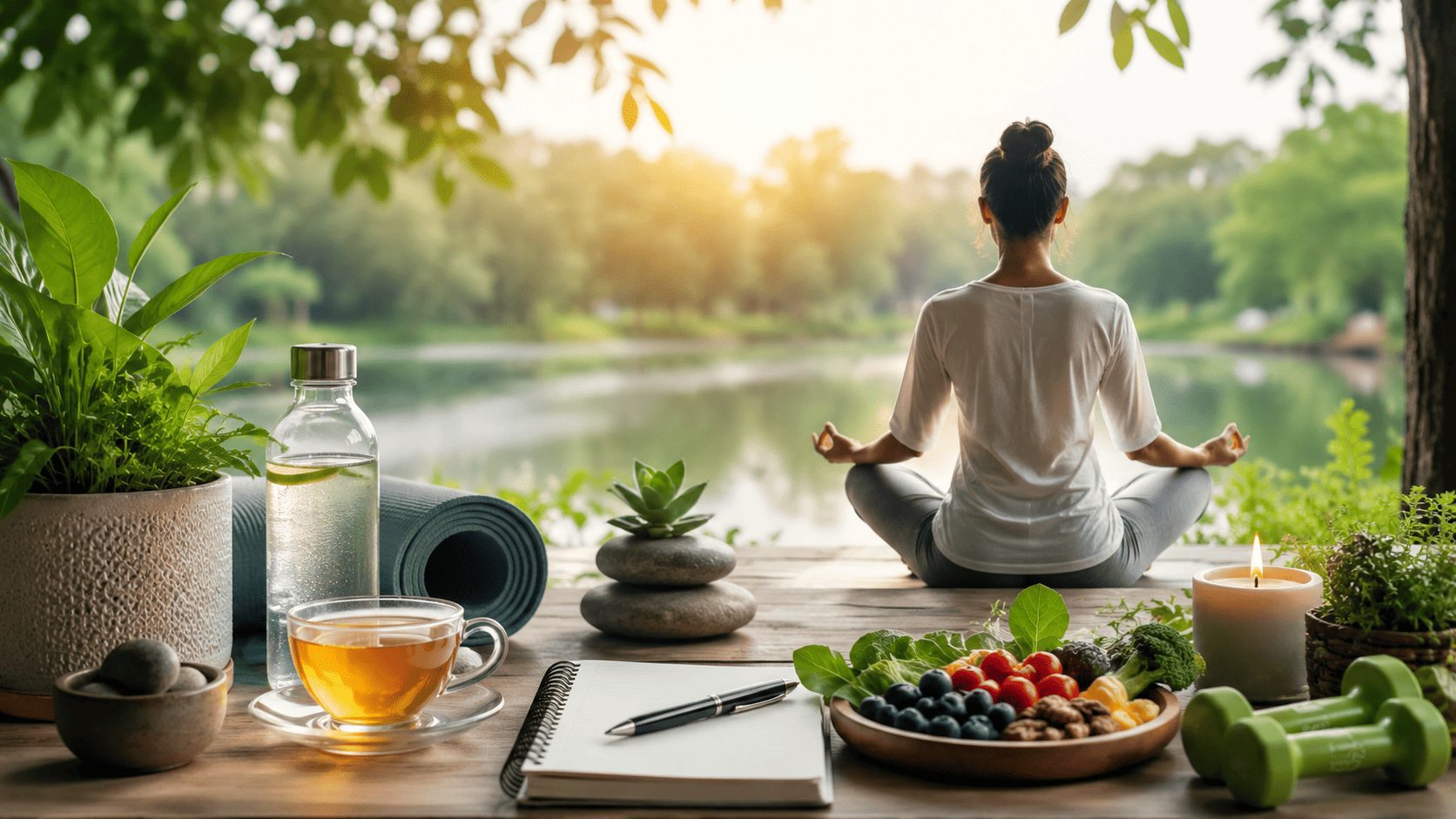
Stress has become a common part of modern life. Whether it's work deadlines, financial responsibilities, family commitments, or health concerns, almost everyone experiences stress. While occasional stress is normal, chronic stress can negatively affect both your physical and mental health.
The good news is that you don't always need medication to feel better. There are many natural stress management techniques that are safe, effective, and backed by research. Regular physical activity, relaxation techniques, healthy sleep habits, and mindfulness practices can all help reduce stress and improve overall well-being.
In this guide, we'll explore practical ways to manage stress naturally and build long-term emotional resilience.
Table of Contents
- What Is Stress?
- Exercise Regularly
- Practice Deep Breathing
- Get Quality Sleep
- Eat a Balanced Diet
- Practice Mindfulness Meditation
- Spend Time in Nature
- Stay Connected with Loved Ones
- Reduce Screen Time
- Try Yoga
- Listen to Relaxing Music
- Keep a Gratitude Journal
- Know When to Seek Professional Help
- Frequently Asked Questions
What Is Stress?
Stress is your body's natural response to challenges or demanding situations. When you encounter pressure, your brain releases hormones such as cortisol and adrenaline, preparing your body for a “fight-or-flight” response.
Short-term stress can improve focus and performance. However, prolonged stress may lead to:
- Anxiety and irritability
- Sleep problems
- Headaches
- Digestive issues
- High blood pressure
- Weakened immune system
- Difficulty concentrating
Recognizing these symptoms early can help you take action before stress affects your overall health.
Exercise Regularly
Physical activity is one of the most effective natural stress relievers. Exercise stimulates the release of endorphins, the body's natural mood boosters, while reducing stress hormones.
Recommended activities include:
- Walking
- Jogging
- Cycling
- Swimming
- Dancing
- Strength training
- Yoga
Aim for at least 30 minutes of moderate exercise most days of the week.
Practice Deep Breathing
Deep breathing activates the body's relaxation response and helps calm the nervous system.
Try this simple technique:
- Inhale slowly through your nose for 4 seconds.
- Hold your breath for 4 seconds.
- Exhale slowly through your mouth for 6 seconds.
- Repeat for 5–10 minutes.
This method can lower heart rate and reduce feelings of anxiety.
Get Quality Sleep
Poor sleep and stress often create a harmful cycle.
Improve sleep naturally by:
- Going to bed at the same time every night
- Avoiding screens before bedtime
- Limiting caffeine in the evening
- Keeping your bedroom cool and quiet
Adults generally benefit from 7–9 hours of sleep each night.
Eat a Balanced Diet
Your diet plays an important role in mental health.
Include foods such as:
- Fresh fruits
- Vegetables
- Whole grains
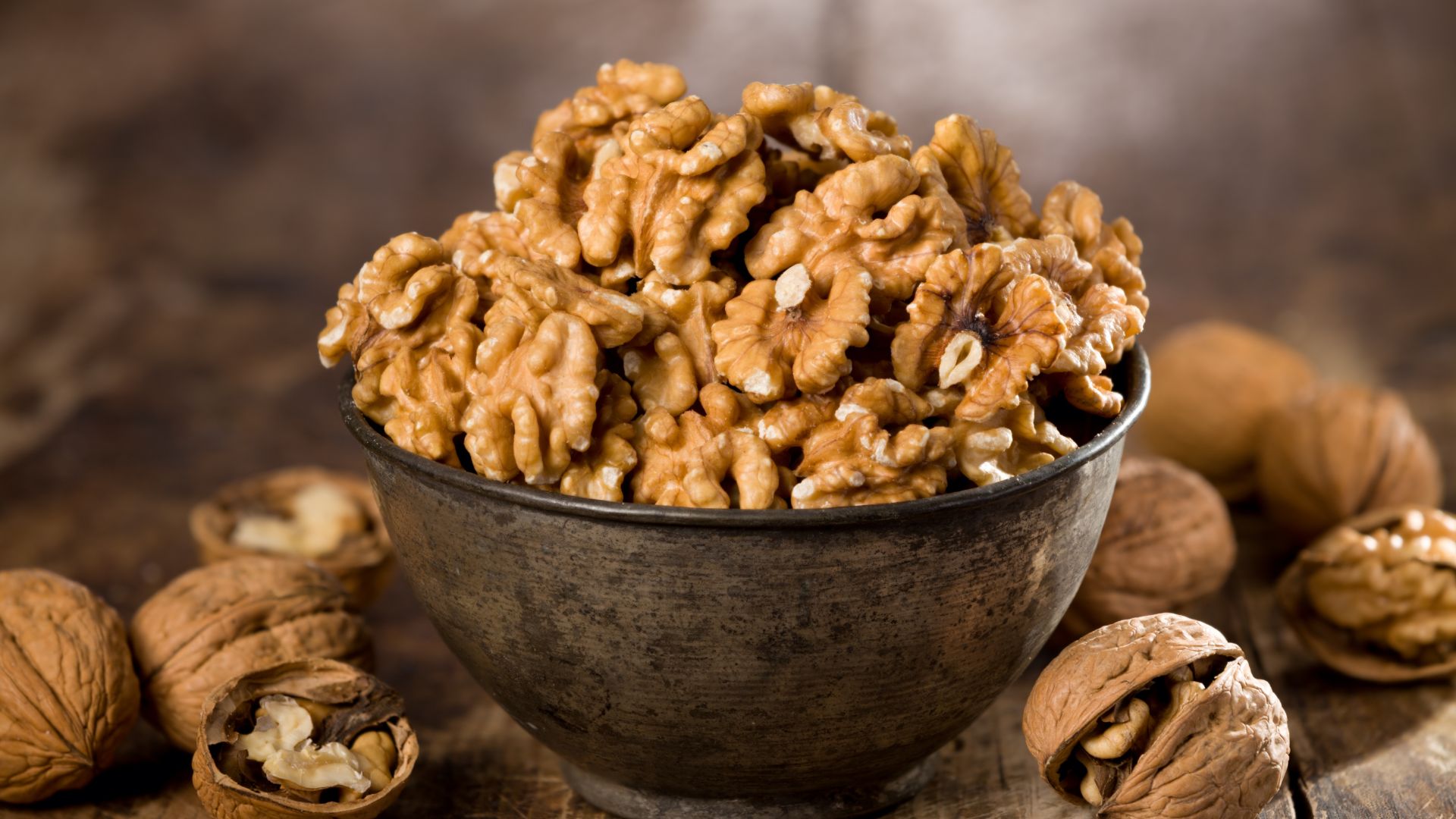
- Nuts and seeds
- Lean proteins
- Healthy fats
Limit processed foods, sugary drinks, and excessive caffeine, which may worsen stress in some people.
Practice Mindfulness Meditation
Mindfulness teaches you to focus on the present moment instead of worrying about the future or dwelling on the past.
Benefits include:
- Reduced anxiety
- Better concentration
- Improved emotional control
- Greater mental clarity
Even 10 minutes of daily meditation can make a noticeable difference.
Spend Time in Nature
Nature has a calming effect on both the mind and body.
Try spending time:
- Walking in parks
- Hiking
- Gardening
- Sitting near water
- Enjoying fresh air
Outdoor activities can improve mood and lower stress levels.
Stay Connected with Loved Ones
Talking with trusted friends or family members provides emotional support and helps reduce feelings of isolation.
Strong social connections improve resilience and make it easier to cope with life's challenges.
Reduce Screen Time
Constant notifications, social media, and digital overload can increase stress.
Consider:
- Taking regular phone breaks
- Turning off unnecessary notifications
- Creating screen-free hours each day
Small changes can significantly improve mental well-being.
Try Yoga
Yoga combines gentle movement, breathing exercises, and mindfulness.
Regular practice may help:
- Lower stress hormones
- Improve flexibility
- Enhance sleep quality
- Reduce anxiety
Yoga is suitable for beginners and people of all fitness levels.
Listen to Relaxing Music
Calming music can slow your heart rate and help your body relax.
Nature sounds, instrumental music, or soft classical music are popular choices for stress relief.
Keep a Gratitude Journal
Writing down three things you're grateful for each day helps shift your focus toward positive experiences.
Over time, this simple habit can improve mood and emotional resilience.
Know When to Seek Professional Help
Natural techniques are highly effective for everyday stress, but professional support may be needed if stress becomes overwhelming or begins interfering with daily life.
Consider speaking with a healthcare professional if you experience:
- Persistent anxiety
- Severe sleep problems
- Depression
- Panic attacks
- Difficulty functioning at work or home
Professional counseling and therapy can provide additional coping strategies.
Frequently Asked Questions
What is the best natural way to reduce stress?
Regular exercise, deep breathing, mindfulness meditation, healthy eating, and quality sleep are among the most effective natural stress management techniques.
Can stress go away naturally?
Yes. Mild and temporary stress often improves with healthy lifestyle habits and relaxation techniques. Chronic stress may require additional support.
Which foods help reduce stress?
Foods rich in magnesium, omega-3 fatty acids, whole grains, fruits, vegetables, nuts, and lean proteins support overall mental health.
How long does it take to reduce stress naturally?
Many people notice immediate benefits from breathing exercises and meditation, while lasting improvements usually develop after several weeks of consistent healthy habits.
Managing stress naturally is about building healthy daily habits rather than searching for a quick fix. Regular exercise, nutritious meals, quality sleep, mindfulness, social connection, and time outdoors all work together to strengthen your body's ability to handle life's challenges.
Start with one or two techniques, practice them consistently, and gradually build a routine that supports both your mental and physical well-being. Small, sustainable changes can have a meaningful impact over time.

References