As more people embrace sustainable living, reducing plastic waste has become an important part of creating healthier homes and protecting the environment. While some believe eco-friendly products are always expensive, many plastic-free alternatives actually help households save money over time.
In 2026, plastic-free living is no longer just an environmental trend—it has become a practical lifestyle choice that combines sustainability with financial savings. By replacing disposable plastic items with durable, reusable alternatives, families can reduce waste, cut everyday expenses, and create a cleaner home.
Making the switch does not require changing everything at once. Small, intentional swaps can make a significant difference for both your budget and the planet.
Table of Contents
Why Choose Plastic-Free Living?
Plastic-free living focuses on reducing single-use plastics and replacing them with reusable, long-lasting alternatives.
Benefits include:
- Lower household waste
- Reduced long-term expenses
- Less environmental pollution
- Healthier home environments
- More sustainable daily habits
Choosing reusable products often means buying fewer replacements, which helps save money over time.
A plastic-free lifestyle also encourages more mindful consumption and responsible purchasing.
Reusable Water Bottles Instead of Disposable Bottles
Buying bottled water regularly can become expensive throughout the year.
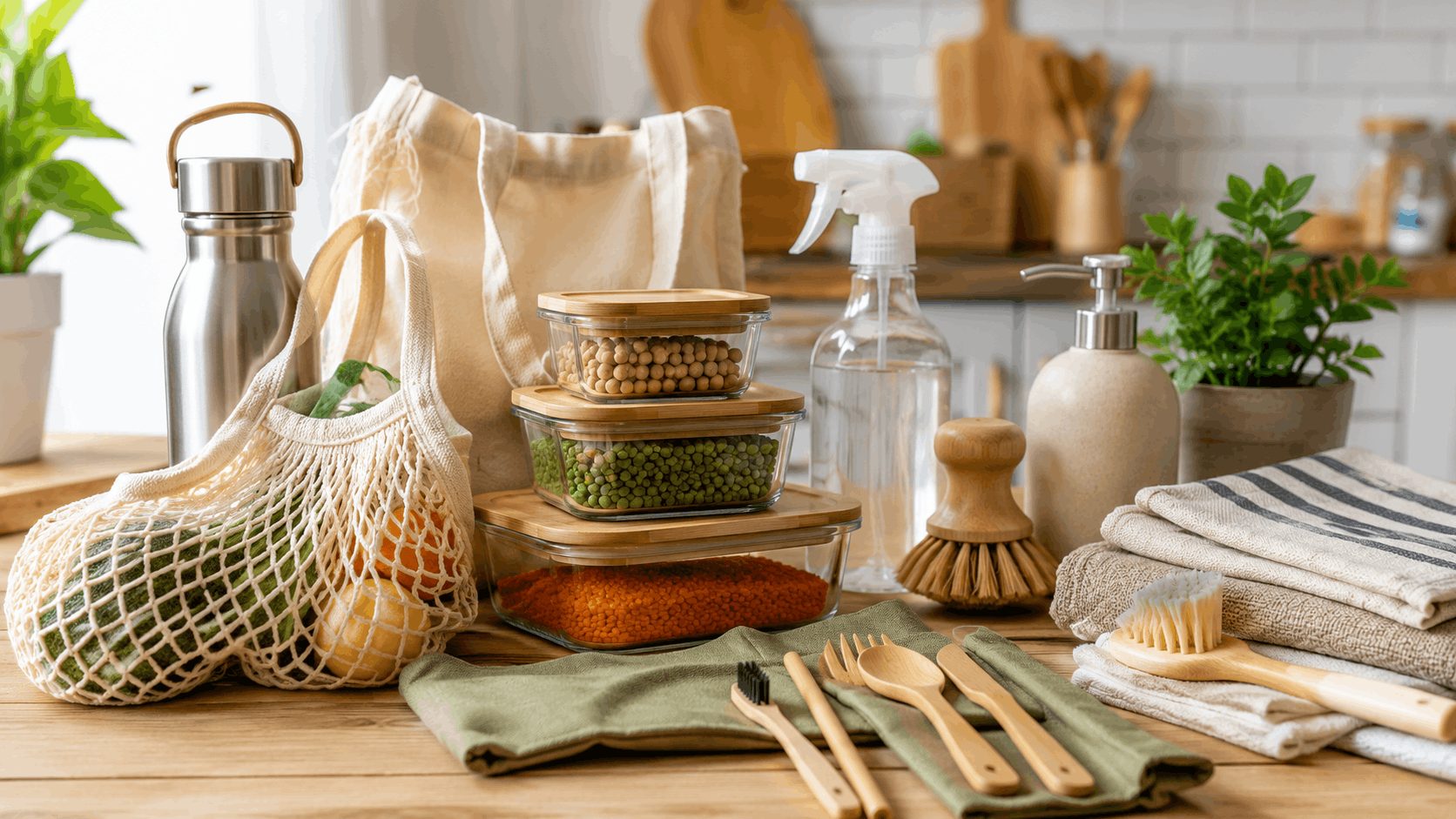
A reusable stainless steel or glass water bottle provides a long-lasting alternative.
Benefits include:
- Reduced plastic waste
- Lower monthly expenses
- Convenient hydration anywhere
- Durable everyday use
Refilling a reusable bottle is significantly more affordable than continuously purchasing disposable plastic bottles.
Switch to Reusable Shopping Bags
Plastic shopping bags are often used only once before being discarded.
Reusable cloth shopping bags offer a simple replacement that can last for years.
Advantages include:
- Fewer plastic bags at home
- Reduced environmental impact
- Long-term savings
- Greater carrying capacity
Keeping reusable bags in your car or near the front door makes them easy to remember before shopping trips.
Replace Plastic Food Storage with Glass Containers
Glass food storage containers provide several benefits over disposable plastic containers.
They are:
- Durable
- Reusable
- Easy to clean
- Resistant to stains and odors
Although the initial investment may be higher, glass containers often last much longer, reducing replacement costs.
They also help organize kitchens more effectively.
Use Refillable Cleaning Products
Many companies now offer refill stations or concentrated cleaning products that reduce plastic packaging.
Benefits include:
- Less plastic waste
- Lower packaging costs
- Reduced household clutter
Refill systems often use fewer resources while helping consumers spend less on packaging over time.
Some households also choose homemade cleaning solutions using simple ingredients.
Choose Reusable Kitchen Towels
Instead of relying on disposable paper towels, many families are switching to washable cloth towels.
Reusable kitchen towels help:
- Reduce household waste
- Lower grocery expenses
- Minimize paper product purchases
With regular washing, quality cloth towels can last for years.
This simple swap is one of the easiest ways to reduce everyday spending.
Switch to Reusable Food Wraps
Plastic wrap is commonly used only once before being thrown away.
Reusable alternatives such as beeswax wraps or silicone food covers provide longer-lasting solutions.
These products help:
- Keep food fresh
- Reduce kitchen waste
- Lower recurring costs
Over time, reusable wraps become far more economical than repeatedly buying disposable plastic wrap.
Buy in Bulk When Possible
Purchasing household staples in bulk often reduces both packaging waste and cost per unit.
Common bulk items include:
- Rice
- Beans
- Oats
- Nuts
- Laundry detergent
Using refillable storage containers makes bulk shopping more organized and sustainable.
Bulk buying also reduces the frequency of shopping trips.
Repair Instead of Replace
Plastic-free living encourages extending the life of household products whenever possible.
Instead of replacing broken items immediately, consider:
- Repairing furniture
- Fixing kitchen tools
- Sewing reusable fabric products
Repairing items often costs less than purchasing new ones and reduces unnecessary waste.
This mindset supports both financial savings and environmental responsibility.
Benefits of Plastic-Free Home Swaps
Making plastic-free changes offers numerous long-term advantages:
- Reduced household expenses
- Less plastic waste
- Better organization
- Sustainable consumption
- Environmentally responsible living
Many reusable products pay for themselves after only a few months of regular use.
These practical changes help families build healthier, more efficient homes.
Common Mistakes to Avoid
- Replacing everything at once
- Buying unnecessary eco-friendly products
- Choosing poor-quality reusable items
- Forgetting to use reusable alternatives consistently
- Focusing only on appearance instead of functionality
Plastic-free living is most effective when changes are made gradually and intentionally.
Consistency creates greater financial and environmental benefits over time.
Plastic-Free Home Swaps That Actually Save Money demonstrate that sustainable living can also be financially rewarding. By replacing disposable plastics with reusable alternatives such as water bottles, shopping bags, glass containers, refillable cleaning products, and cloth towels, households can significantly reduce waste while lowering long-term expenses.
The key to successful plastic-free living is making practical, sustainable choices that fit your lifestyle. Small everyday swaps can create lasting benefits for your budget, your home, and the environment, proving that eco-friendly living is both affordable and achievable in 2026.
References