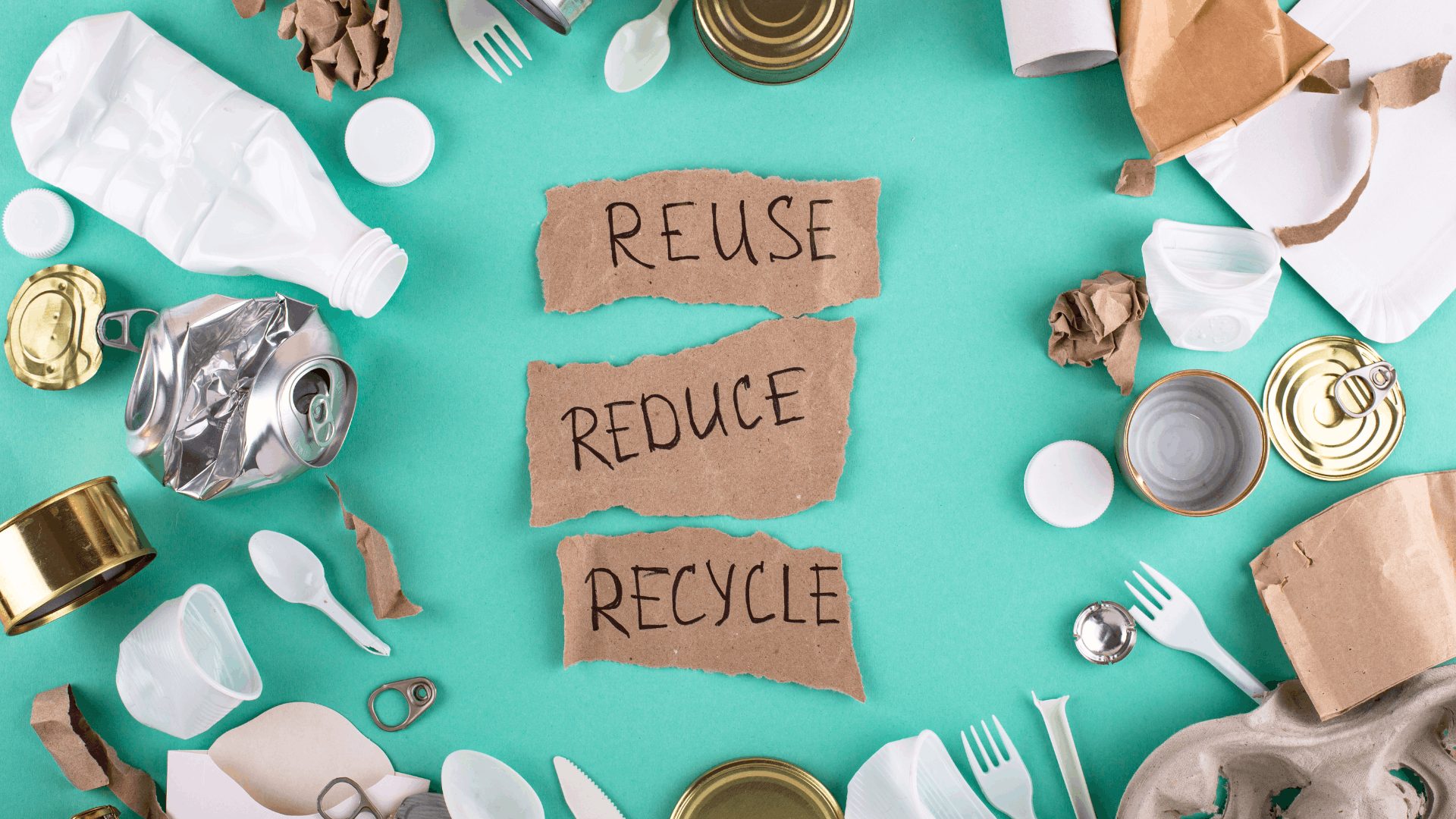
Reducing household waste is an important step toward a healthier environment and a more sustainable lifestyle. Many daily activities generate waste, from food packaging to plastic products, which can harm the environment if not managed properly. By adopting natural ways to reduce household waste, you can minimize your environmental impact and create a cleaner living space.
Natural waste reduction focuses on mindful consumption, reusing materials, and choosing eco-friendly alternatives. Small changes in daily habits can lead to significant long-term benefits for both your home and the planet.
Table of Contents
- Why Reducing Household Waste Is Important
- Reduce Single-Use Plastics
- Practice Reusing and Recycling
- Compost Organic Waste
- Choose Eco-Friendly Products
- Plan Meals to Reduce Food Waste
- Use Natural Cleaning and Household Products
- Buy in Bulk and Choose Minimal Packaging
- Tips to Maintain a Low-Waste Lifestyle
Why Reducing Household Waste Is Important
Household waste contributes to pollution, landfill overflow, and environmental damage. Excessive use of plastic and non-biodegradable materials can take years to decompose and may harm wildlife and ecosystems.
Reducing waste helps conserve natural resources, lowers pollution levels, and promotes a cleaner environment. It also encourages responsible consumption and helps create a more sustainable future.
Reduce Single-Use Plastics
One of the most effective ways to reduce household waste is to limit the use of single-use plastics. Items such as plastic bags, bottles, and packaging contribute significantly to waste.
Switching to reusable alternatives such as cloth bags, glass containers, and stainless steel bottles can help reduce plastic waste. Making small changes in shopping habits can have a big impact over time.
Practice Reusing and Recycling
Reusing items is a simple and effective way to reduce waste. Many household items can be reused instead of being thrown away.
Glass jars can be used for storage, old clothes can be repurposed, and containers can be reused for organizing items. Recycling materials such as paper, plastic, and metal also helps reduce the amount of waste sent to landfills.
Understanding proper recycling practices ensures that materials are processed correctly and efficiently.
Compost Organic Waste
Food waste is a major part of household waste. Composting is a natural way to reduce this waste while creating nutrient-rich soil for plants.
Kitchen scraps such as fruit peels, vegetable waste, and leftover food can be composted. Composting not only reduces waste but also supports gardening and improves soil health.
This method is eco-friendly and helps close the cycle of natural resource use.
Choose Eco-Friendly Products
Choosing products with minimal or biodegradable packaging can significantly reduce household waste. Many eco-friendly products are designed to have less environmental impact.
Look for items made from natural materials or those that can be reused or recycled easily. Avoid products with excessive packaging and choose sustainable brands whenever possible.
Making conscious purchasing decisions can help reduce waste generation.
Plan Meals to Reduce Food Waste
Food waste can be minimized by proper meal planning. Buying only what is needed and storing food correctly can help reduce unnecessary waste.
Planning weekly meals, using leftovers creatively, and storing food properly can prevent spoilage. This not only reduces waste but also saves money and resources.
Being mindful of food consumption is an important step toward sustainable living.
Use Natural Cleaning and Household Products
Many cleaning products come in plastic packaging and contain chemicals that can harm the environment. Using natural cleaning solutions can help reduce waste and promote a healthier home.
Ingredients such as vinegar, baking soda, and lemon can be used as effective cleaning agents. These natural alternatives are safe, affordable, and environmentally friendly.
Switching to reusable cleaning tools such as cloth wipes instead of disposable ones can also reduce waste.
Buy in Bulk and Choose Minimal Packaging
Purchasing products in bulk can reduce the amount of packaging waste. Many items such as grains, pulses, and household essentials are available in bulk quantities.
Buying in bulk reduces the need for multiple smaller packages and helps minimize plastic use. Choosing products with minimal or recyclable packaging also contributes to waste reduction.
Tips to Maintain a Low-Waste Lifestyle
Maintaining a low-waste lifestyle requires consistency and awareness. Start by making small changes such as carrying reusable bags and avoiding unnecessary purchases.
Organize your home to reduce clutter and make better use of available items. Educate family members about waste reduction and encourage sustainable habits.
Tracking your waste and finding ways to reduce it can help you stay committed to a low-waste lifestyle.
Natural ways to reduce household waste focus on simple, practical changes that can make a big difference over time. By reducing plastic use, reusing materials, composting organic waste, and choosing eco-friendly products, you can create a more sustainable home.
Adopting these habits not only benefits the environment but also promotes a healthier and more mindful lifestyle. Small steps taken today can lead to a cleaner and greener future for everyone.

References