In brief
Discover the basics of composting and learn how to turn organic waste into nutrient-rich, fertile gold for a healthier garden. It allows you to recycle kitchen scraps, yard waste, and other biodegradable materials into something beneficial for the environment. Whether you’re a…
Discover the basics of composting and learn how to turn organic waste into nutrient-rich, fertile gold for a healthier garden. It allows you to recycle kitchen scraps, yard waste, and other biodegradable materials into something beneficial for the environment. Whether you’re a gardening enthusiast eager to enhance your soil or simply looking for ways to cut down on household waste, this beginner composting guide provides everything you need to get started on this rewarding journey. Composting not only helps you manage waste sustainably but also contributes to a greener, healthier planet.
Table of Contents
What is Composting?
Composting is the natural process of recycling organic materials—like food scraps and yard waste—into a valuable soil amendment known as compost. By composting, you not only minimize waste but also enrich soil, retain moisture, and reduce the need for chemical fertilizers.
Why Compost?
- Eco-Friendly Waste Solution: Reduces landfill waste and lowers harmful methane emissions.
- Soil Enrichment: Improves soil health, fertility, and structure.
- Cost Savings: Cuts down on expenses for fertilizers and soil conditioners.
- Sustainable Living: Promotes a zero-waste lifestyle.
Getting Started: A Beginner Composting Guide
Follow these simple steps to start composting at home:
-
Choose a Composting Method
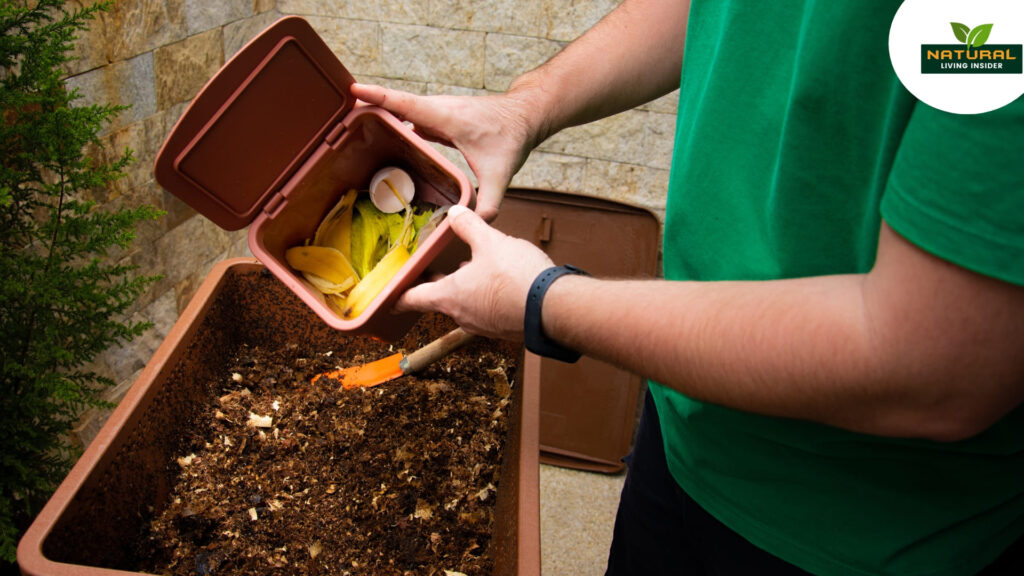
- Backyard Composting: Ideal for households with outdoor space. Use a compost bin or create a simple pile.
- Indoor Composting: Perfect for apartment dwellers. Consider a worm bin (vermicomposting) or an electric composter.
-
Know What to Compost
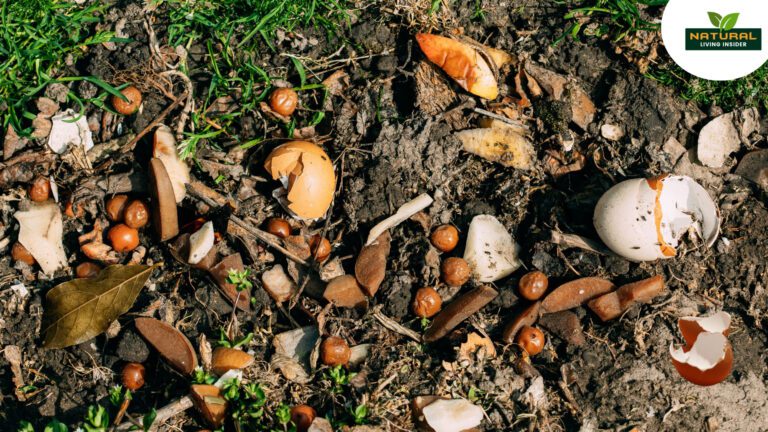
- Green Materials (Nitrogen-Rich): Fruit and vegetable scraps, coffee grounds, grass clippings.
- Brown Materials (Carbon-Rich): Dry leaves, shredded paper, cardboard, straw.
- Avoid meat, dairy, oily foods, and pet waste as they can attract pests and create odors.
-
Maintain the Right Balance
Aim for a ratio of 2-3 parts brown materials to 1 part green materials. This balance ensures proper decomposition and prevents foul smells.
-
Monitor and Turn the Pile
Keep the pile moist but not soggy. Turn it every 1-2 weeks to aerate and speed up decomposition.
-
Harvest the Compost
Your compost is ready when it’s dark, crumbly, and earthy-smelling. Use it to enrich your garden beds, potted plants, or lawns.
Organic Composting Tips for Success
- Chop It Up: Smaller pieces of organic waste decompose faster.
- Layer It Right: Alternate layers of green and brown materials.
- Avoid Overwatering: Too much water can make your compost pile anaerobic and smelly.
- Be Patient: Composting is a gradual process, taking anywhere from 2-6 months depending on conditions.
Benefits Beyond the Garden
Composting not only creates fertile soil but also:
- Reduces your carbon footprint.
- Minimizes household waste.
- Contributes to a sustainable community.
By incorporating these organic composting tips, you’re turning waste into fertile gold—a win for your garden and the planet!
Embracing composting is a simple yet impactful way to practice eco-friendly waste solutions while improving your garden and the environment. With this beginner composting guide and organic composting tips, anyone can transform waste into fertile gold. Start your composting journey today and make a difference for your garden and our planet! By adopting composting, you’re joining a global movement towards sustainability. It’s an easy habit that has profound effects on waste management and soil health. Remember, every small step counts, and your efforts contribute to reducing environmental impact. Let composting become a part of your routine, and enjoy the satisfaction of turning everyday waste into a powerful resource for growth and renewal.

Make this guide useful
How to put Composting 101: Turning Waste into Fertile Gold into practice
Use this article as a focused starting point for exploring Gardening. Read the ideas in the context of your own routine, priorities and available resources; the most useful change is usually the one you can return to consistently.
Start with one clear intention
Before trying everything at once, decide what you want this guide to help with. Write down one small, realistic action connected to “Composting 101: Turning Waste into Fertile Gold”, choose when you will try it, and notice what makes it easier or harder to continue.
Use a simple check-in
Give yourself enough time to observe rather than judge. A short note about what you tried, how it fitted into your day and what you would adjust next time can turn general advice into a routine that feels personal and sustainable.
Questions to take with you
- Which part of Gardening feels most relevant to my current routine?
- What is the smallest version of this idea I could try this week?
- What would help me keep the change practical, enjoyable and consistent?
Further reading