In brief
High-Protein Vegetarian Breakfasts for Busy Weekdays can be useful when it is approached with curiosity instead of pressure. This guide shares a practical starting point,
High-Protein Vegetarian Breakfasts for Busy Weekdays can be useful when it is approached with curiosity instead of pressure. This guide shares a practical starting point, clear choices and a flexible framework you can adjust to your own home, budget and routine.
Why this approach can work
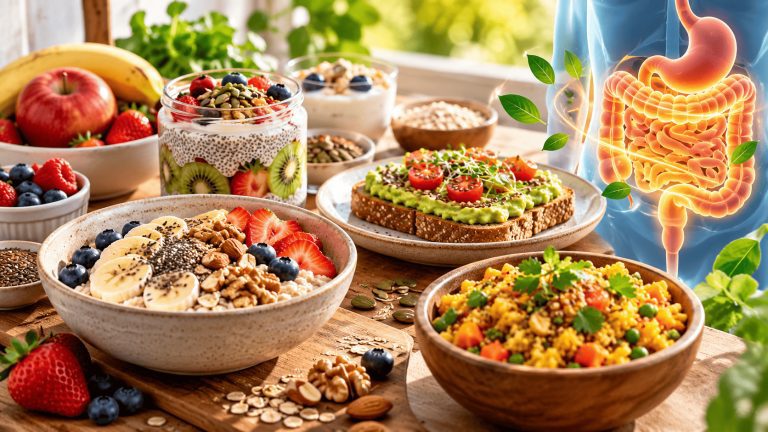
This article focuses on simple vegetarian breakfasts that combine protein, fibre-rich carbohydrates and colourful produce. The goal is not to follow a perfect formula. It is to create an option that is enjoyable, repeatable and realistic on an ordinary day. Small choices often become easier to keep when they match your environment and the foods, tools or routines you already trust.
A simple way to get started
- Choose one protein anchor, such as Greek yogurt, eggs, tofu, paneer, lentils or beans.
- Add an easy carbohydrate such as oats, whole-grain toast, leftover rice or fruit.
- Prepare one small element the night before, then keep the morning decision simple.
Plan for the ordinary day
Before buying anything new, look at what you already have and decide where this idea will fit. A short note, a prepared ingredient, a clear space on a shelf or a recurring calendar reminder can remove more friction than a complicated plan. If cost is a concern, begin with the least expensive version and use it consistently before upgrading equipment or ingredients.
Make it fit your life
Start with the smallest version that feels genuinely doable. Notice what saves time, what creates friction and what you look forward to repeating. You can adapt the ingredients, timing and level of effort as you learn. A supportive routine is one that leaves room for changing schedules, preferences and energy levels.
Common mistakes to avoid
- Trying to cook a completely different breakfast every day.
- Treating a high-protein meal as an excuse to skip fruit, vegetables or enough water.
Keep wellness claims in perspective
No food, drink, product or routine has to carry the whole weight of your wellbeing. Look for practical value, clear information and a pattern you can sustain. If a choice involves a health condition, medication, injury, pregnancy, allergies or persistent symptoms, use this guide as a conversation starter with a qualified professional rather than as personal treatment advice.
A helpful next step
Choose one action from this guide and try it for a few days. Keep the result simple: a note on your phone, a photo of a meal, or a small change to your shopping list is enough. Review what felt useful, then keep, adjust or skip the rest. Sustainable habits are built through feedback, not through guilt.
Frequently asked questions
Do I need to do everything in this guide?
No. Pick the one idea that fits your current routine. The best starting point is usually the option that feels easy to repeat.
How quickly should I make changes?
Go gradually. A small change that fits your week is more valuable than an ambitious plan that creates stress or is abandoned after a few days.
This article is for general educational purposes and is not a substitute for personalised medical, nutrition or mental-health advice.

Make this guide useful
How to put High-Protein Vegetarian Breakfasts for Busy Weekdays into practice
Use this article as a focused starting point for exploring Food. Read the ideas in the context of your own routine, priorities and available resources; the most useful change is usually the one you can return to consistently.
Start with one clear intention
Before trying everything at once, decide what you want this guide to help with. Write down one small, realistic action connected to “High-Protein Vegetarian Breakfasts for Busy Weekdays”, choose when you will try it, and notice what makes it easier or harder to continue.
Use a simple check-in
Give yourself enough time to observe rather than judge. A short note about what you tried, how it fitted into your day and what you would adjust next time can turn general advice into a routine that feels personal and sustainable.
Questions to take with you
- Which part of Food feels most relevant to my current routine?
- What is the smallest version of this idea I could try this week?
- What would help me keep the change practical, enjoyable and consistent?