Walk through any supermarket, and you will find products promising better digestion, stronger immunity, improved heart health, and even slower ageing. From probiotic yoghurt and antioxidant-rich berries to fortified cereals and green powders, so-called “health foods” are everywhere.
But which of these products genuinely deserve a place in your daily diet?
Table of Contents
- What Are Functional Foods?
- 7 Functional Foods That Are Actually Worth Eating
- Which Popular “Health Foods” May Not Be Worth the Hype?
- How to Identify Functional Foods That Are Genuinely Healthy
- How to Add Functional Foods to Your Daily Diet
- Are Functional Foods Better Than Supplements?
- Frequently Asked Questions About Functional Foods
- Final Verdict: Which Functional Foods Are Actually Worth Eating?
The answer lies in understanding functional foods—foods that offer health benefits beyond basic nutrition, thanks to their naturally occurring or added nutrients and bioactive compounds. Some have meaningful scientific evidence behind their benefits, while others rely more heavily on attractive packaging and exaggerated marketing claims.
The good news is that you do not need expensive supplements or exotic superfoods to eat well. Everyday foods such as oats, beans, nuts, yoghurt, fruits, and vegetables can provide valuable nutrients and support long-term health when included in a balanced diet.
In this guide, we explore which functional foods are actually worth eating, what science says about their benefits, and how to identify genuinely healthy choices.
What Are Functional Foods?
Functional foods are foods that provide essential nutrients while potentially offering additional health benefits when consumed regularly as part of a balanced diet.
They generally fall into two categories:
- Naturally functional foods: Foods that naturally contain beneficial nutrients or compounds, such as oats, berries, lentils, nuts, and oily fish.
- Modified functional foods: Foods that have been fortified, enriched, or enhanced with additional nutrients, such as vitamin D-fortified milk or calcium-fortified plant-based drinks.
For example, oats contain beta-glucan, a type of soluble fibre associated with cholesterol reduction. Yoghurt provides protein and calcium, while some varieties contain live bacterial cultures. Beans supply plant protein, fibre, folate, and minerals.
However, the term “functional food” does not automatically mean that a product is exceptionally healthy. Its overall nutritional profile, ingredients, portion size, and place in your diet all matter.
7 Functional Foods That Are Actually Worth Eating
Not every product marketed as a superfood offers extraordinary benefits. These seven food categories are practical choices with nutritional value and varying levels of scientific support.
1. Oats: A Smart Choice for Heart Health
Oats are among the most worthwhile functional foods because they provide soluble fibre, particularly beta-glucan.
Beta-glucan helps reduce cholesterol absorption and can support healthy blood cholesterol levels. Research also suggests that oat fibre may help moderate post-meal blood sugar responses and improve feelings of fullness.
Why oats are worth eating:
- Support healthy cholesterol levels.
- Provide soluble and insoluble fibre.
- Help promote fullness and digestive regularity.
- Supply minerals such as magnesium, phosphorus, and zinc.
How to eat them: Prepare oatmeal with milk or unsweetened fortified plant milk. Add nuts, seeds, or fresh fruit for additional nutrients.
What to watch for: Instant oatmeal can still be nutritious, but heavily sweetened flavoured varieties may contain substantial added sugar. Choose plain oats whenever possible.
2. Berries: Nutrient-Rich Fruits With Antioxidants
Blueberries, strawberries, raspberries, and blackberries contain fibre, vitamins, and plant compounds called polyphenols. Many berries are especially rich in anthocyanins, pigments that give them their red, blue, or purple colours.
These compounds are being studied for their potential role in supporting cardiovascular and metabolic health. Eating berries also helps increase overall fruit and fibre intake.
Why berries are worth eating:
- Provide vitamin C and other micronutrients.
- Supply fibre that supports digestive health.
- Contain antioxidant and other bioactive compounds.
- Add natural sweetness to meals.
How to eat them: Add berries to yoghurt, oatmeal, smoothies, or breakfast bowls. Fresh and unsweetened frozen berries are both good options.
What to watch for: Expensive berry extracts and powders are not automatically better than whole fruit. The evidence for a particular extract should not be assumed to apply to every product or dose.
3. Yoghurt and Fermented Foods: Helpful for Gut Health
Fermented foods such as yoghurt, kefir, and certain fermented vegetables can be valuable additions to a balanced diet.
Yoghurt provides protein and calcium, while products containing suitable live cultures may offer additional digestive benefits. However, not every fermented food contains live microorganisms at the time it is eaten, and not every live culture has proven probiotic effects.
Why yoghurt is worth eating:
- Supplies protein and calcium.
- Some varieties contain live bacterial cultures.
- Can be an easy addition to a nutrient-rich breakfast or snack.
- May be easier to tolerate than milk for some people with lactose intolerance.
How to eat it: Choose plain yoghurt or unsweetened curd (dahi). Combine it with fruit, oats, or seeds.
What to watch for: Check added sugar and protein content. Plant-based alternatives vary considerably in their nutritional value, and some contain little protein unless fortified.
4. Nuts and Seeds: Small Portions, Valuable Nutrients
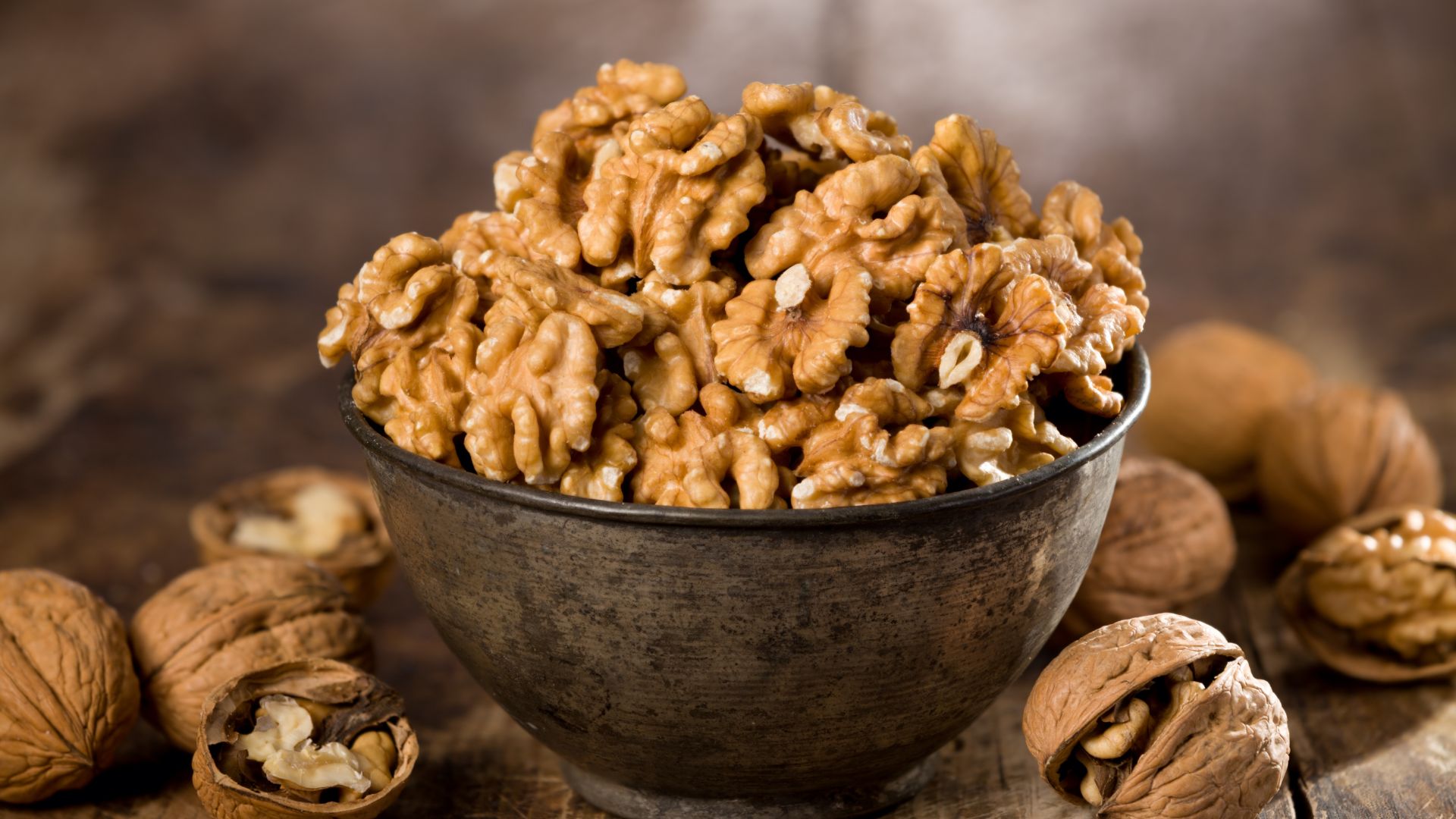
Almonds, walnuts, pistachios, chia seeds, flaxseeds, and pumpkin seeds provide combinations of unsaturated fats, fibre, protein, vitamins, and minerals.
Nuts are particularly useful when they replace less nutritious snacks or foods rich in saturated fats. Walnuts provide alpha-linolenic acid, a plant-based omega-3 fatty acid, while chia and flaxseeds contribute fibre.
Why nuts and seeds are worth eating:
- Supply healthy unsaturated fats.
- Contribute plant protein and dietary fibre.
- Provide minerals such as magnesium.
- Help make meals more filling.
How to eat them: Add a small handful of unsalted nuts to breakfast or enjoy seeds in porridge, salads, or yoghurt. Ground flaxseed can be easier to incorporate into meals than whole seeds.
What to watch for: Nuts and seeds are energy-dense, so portions matter if you are monitoring calorie intake. Sweetened, heavily salted, or sugar-coated versions are less desirable everyday choices.
5. Beans and Lentils: Affordable Functional Foods
Beans, chickpeas, kidney beans, and lentils are among the most practical functional foods, particularly for people who want affordable, plant-based nutrition.
They provide protein, fibre, folate, potassium, and other important nutrients. Their fibre content supports bowel regularity and helps feed beneficial gut microbes. Replacing some processed or red meat with legumes can also improve the overall nutritional quality of a diet.
Why beans and lentils are worth eating:
- Provide plant-based protein.
- Support digestive health through fibre.
- Contribute to healthy blood cholesterol levels.
- Offer sustained fullness and versatile meal options.
How to eat them: Include dal, rajma, chana, chickpeas, or lentil soup in regular meals. Pair legumes with vegetables and whole grains for a varied, balanced plate.
What to watch for: If you are not accustomed to eating much fibre, increase portions gradually and drink enough fluids to help minimise digestive discomfort.
6. Oily Fish: A Source of Omega-3 Fatty Acids
Salmon, sardines, and mackerel contain omega-3 fatty acids, including EPA and DHA, which play important roles in normal cell function.
Regular fish consumption can be part of a heart-healthy dietary pattern. The evidence for eating fish as food is not identical to the evidence for taking high-dose fish oil supplements, so supplements should not be treated as interchangeable with a balanced diet.
Why oily fish is worth eating:
- Supplies EPA and DHA omega-3 fatty acids.
- Provides high-quality protein.
- Often supplies vitamin B12 and other nutrients.
- Offers a useful alternative to processed meat.
How to eat it: Include fish in meals when practical, using grilling, baking, or steaming rather than frequent deep-frying.
What to watch for: Choose fish appropriate to your local food-safety guidance, particularly during pregnancy. If you do not eat fish, walnuts, chia seeds, and flaxseeds provide plant-based omega-3 ALA, although the body converts ALA to EPA and DHA only to a limited extent.
7. Green Leafy Vegetables: Everyday Nutrition That Adds Up
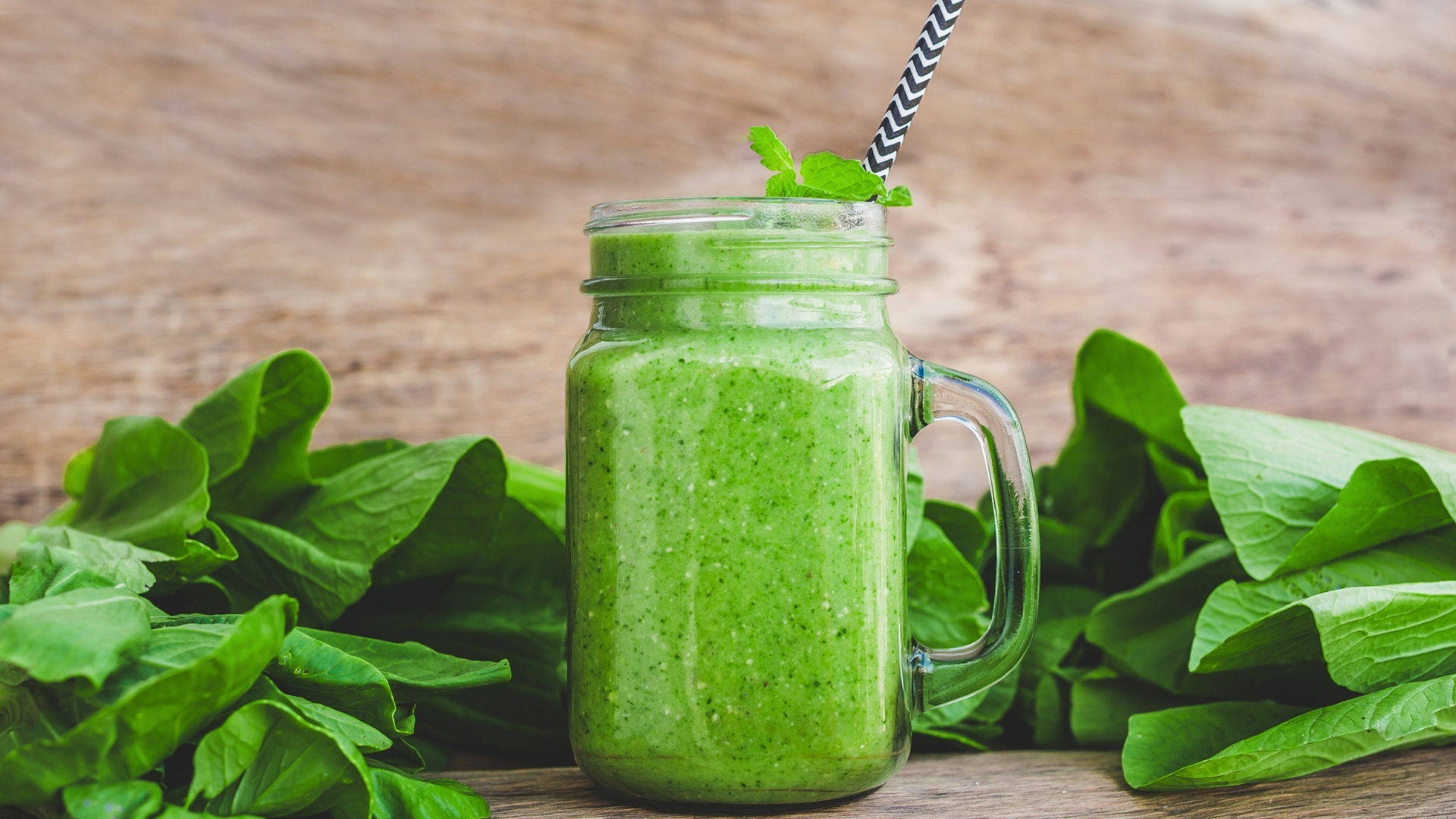
Spinach, kale, amaranth leaves, mustard greens, and other leafy vegetables provide folate, vitamin K, carotenoids, and varying amounts of minerals and fibre.
Their benefits come from their combined nutritional profile rather than one miracle ingredient.
Why leafy greens are worth eating:
- Provide essential vitamins and minerals.
- Help increase daily vegetable and fibre intake.
- Contain carotenoids and other plant compounds.
- Add volume and variety to meals without excessive calories.
How to eat them: Add leafy greens to dal, soups, vegetable dishes, omelettes, or salads. Rotate different varieties to benefit from a wider range of nutrients.
What to watch for: People taking warfarin should keep their vitamin K intake consistent and consult their healthcare professional before making major dietary changes.
Which Popular “Health Foods” May Not Be Worth the Hype?
Some products can be useful, but their marketing often goes further than the scientific evidence.
1. Detox Teas and Cleansing Drinks
Your liver and kidneys already perform essential waste-processing functions. There is no good reason to assume that a commercial detox tea will remove unspecified toxins or compensate for an unhealthy diet.
Some products contain laxatives or diuretics that can cause dehydration and other side effects.
Better choice: Drink water regularly and eat a variety of fibre-rich whole foods.
2. Expensive Superfood Powders
Greens powders, berry powders, and concentrated plant extracts may contain useful ingredients, but their nutritional composition and supporting evidence vary by product.
They should not be assumed to provide the same benefits as whole fruits and vegetables, particularly when the products differ in fibre content, ingredients, and serving sizes.
Better choice: Eat a variety of vegetables and fruits. Consider a powder only for a specific, well-understood purpose rather than as a replacement for meals.
3. Sugar-Loaded Protein and Granola Bars
A product labelled “high protein,” “natural,” or “made with superfoods” can still contain substantial added sugar or saturated fat.
Some bars are convenient sources of protein or fibre, but the front-of-package claims do not tell the whole story.
Better choice: Compare the nutrition labels, including protein, fibre, added sugar, and saturated fat. Choose products that fit your nutritional needs.
4. Vitamin-Infused Water
Vitamin-enhanced drinks can be useful in specific circumstances, but they are not necessarily healthier than plain water. Some contain added sugars, and extra vitamins offer little advantage when your nutritional requirements are already met.
Better choice: Drink water for everyday hydration and obtain most vitamins from a varied diet unless a healthcare professional recommends supplementation.
5. Products Labelled “Immune-Boosting”
A healthy immune system depends on many factors, including adequate nutrition, sleep, physical activity, and underlying health.
No single food can guarantee protection against infection. Products promising dramatic immune effects should be evaluated carefully, especially when they rely on vague claims rather than evidence from human studies.
Better choice: Prioritise adequate protein, fruits, vegetables, whole grains, and essential micronutrients.
How to Identify Functional Foods That Are Genuinely Healthy
Before spending money on a product marketed as a health food, consider these five questions:
- Does it have a clear nutritional benefit? Look for meaningful amounts of fibre, protein, vitamins, minerals, or beneficial fats.
- Is there credible scientific evidence? Give more weight to human studies and well-supported dietary recommendations than to testimonials or laboratory findings alone.
- What are the ingredients? Check added sugars, sodium, saturated fat, and unnecessary additives in the context of the whole product.
- Is the serving size realistic? A product may advertise an impressive nutrient amount that requires several servings.
- Can an ordinary food provide the same benefit? Oats, lentils, seasonal fruits, vegetables, and nuts are often more practical than expensive speciality products.
Remember that a food can be nutritious without being marketed as functional. The overall quality of your diet matters more than the number of superfoods in your shopping basket.
How to Add Functional Foods to Your Daily Diet
You do not need to overhaul your eating habits overnight. Small, consistent changes are usually easier to maintain.
Here is a simple example of how to incorporate functional foods into everyday meals:
- Breakfast: Oats with plain yoghurt, banana, and nuts.
- Mid-morning snack: Seasonal fruit or a small handful of unsalted nuts.
- Lunch: Dal or beans, whole-grain roti or brown rice, and leafy vegetables.
- Evening snack: Plain curd, roasted chickpeas, or fruit.
- Dinner: Vegetables with lentils, tofu, eggs, or fish, depending on your preferences.
This is an example, not a prescribed meal plan. Adjust portions and ingredients to your appetite, nutritional requirements, culture, budget, and health needs.
The most effective approach is to build meals around a variety of minimally processed foods rather than relying on one product to deliver every health benefit.
Are Functional Foods Better Than Supplements?
Functional foods and supplements serve different purposes.
Foods provide combinations of nutrients, fibre, and other compounds within a meal. Supplements may be useful when someone has a diagnosed deficiency, increased nutritional requirements, limited dietary intake, or a clinician-recommended reason to use them.
However, more is not always better. High doses of certain vitamins, minerals, or herbal ingredients can cause side effects or interact with medicines.
For most people, the first step is to build a balanced diet. Supplements should address a specific need rather than replace healthy eating.
If you have a medical condition, take prescription medication, or are considering high-dose supplements, seek individual advice from a qualified healthcare professional.
Frequently Asked Questions About Functional Foods
1. What are the best functional foods to eat daily?
Oats, legumes, nuts, seeds, leafy vegetables, fruits, and plain yoghurt are practical choices. The best combination depends on your nutritional needs, preferences, and overall eating pattern.
2. Do functional foods really improve health?
Some functional foods have evidence supporting specific benefits. For example, oat beta-glucan can help lower blood cholesterol, while yoghurt provides protein and calcium. However, benefits vary by food, amount consumed, and individual circumstances.
3. Are superfoods the same as functional foods?
Not exactly. “Superfood” is a popular marketing term without a standard scientific definition. “Functional food” generally refers to a food that may offer benefits beyond basic nutrition, although the term itself does not guarantee proven health effects.
4. Can functional foods prevent chronic diseases?
A balanced dietary pattern that includes whole grains, legumes, fruits, vegetables, nuts, and other nutrient-rich foods can support long-term health and may reduce the risk of certain chronic diseases. No single food can guarantee prevention.
5. Are functional foods suitable for weight management?
Many nutrient-dense foods, including vegetables, fruit, oats, beans, and yoghurt, can fit into a weight-management plan. Their effects depend on portions, preparation, total energy intake, and the rest of your diet.
6. Are fermented foods always probiotic?
No. Fermentation does not automatically mean that a food contains live microorganisms with demonstrated health benefits. Processing, heating, and storage can affect whether live cultures remain in the final product.
7. Are functional foods expensive?
Not necessarily. Lentils, chickpeas, oats, seasonal produce, peanuts, and locally available vegetables can offer substantial nutritional value at relatively low cost. You do not need premium health products to eat well.
Final Verdict: Which Functional Foods Are Actually Worth Eating?
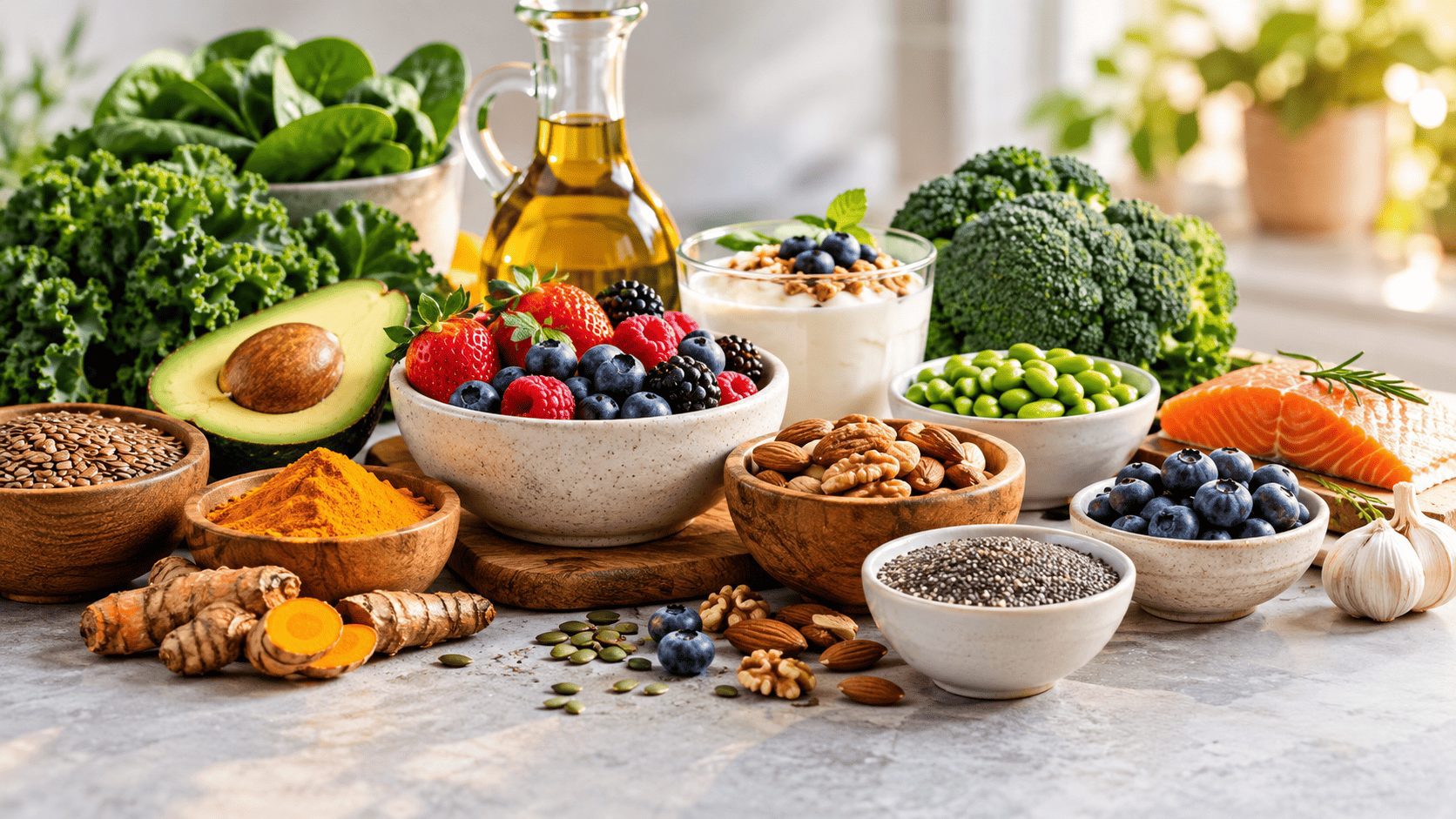
The functional foods most worth your attention are often ordinary foods with well-established nutritional value: oats, beans, lentils, nuts, seeds, yoghurt, fruits, leafy vegetables, and oily fish.
They are worth eating because they provide useful nutrients and can contribute to a balanced dietary pattern—not because they promise instant results or miraculous health transformations.
Be cautious of products that use words such as “detox,” “miracle,” or “immune-boosting” without credible evidence. Read ingredient lists, compare nutrition labels, and consider whether a product offers a genuine benefit for its price.
The bottom line: You do not need a cupboard full of superfoods to improve your diet. Choose a variety of nourishing foods, eat them consistently, and focus on the overall pattern rather than chasing the latest health-food trend.

References