Inflammation is a natural part of the body's immune response. It helps the body respond to injury and infection. However, when inflammation remains elevated for a long time, it may contribute to a range of chronic health problems.
Table of Contents
- What Is Inflammation?
- Foods to Limit for a More Anti-Inflammatory Eating Pattern
- The Mediterranean Diet and Inflammation
- How to Build an Anti-Inflammatory Plate
- Simple One-Day Anti-Inflammatory Meal Plan
- 7 Simple Ways to Eat More Anti-Inflammatory Foods
- Are Anti-Inflammatory Foods a Cure for Inflammation?
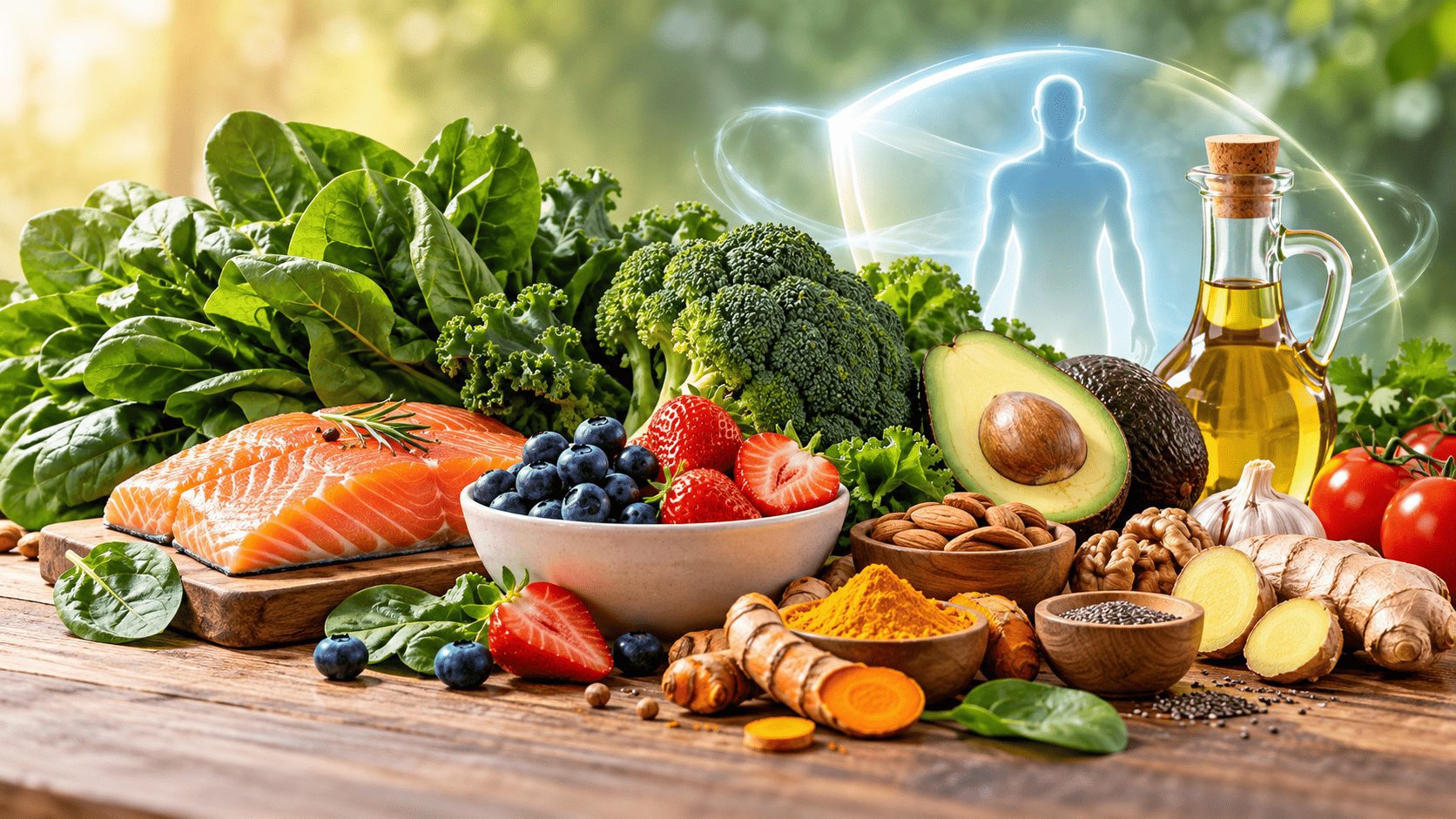
Diet is one part of a broader lifestyle that can influence inflammation. Current nutrition guidance increasingly emphasizes an overall eating pattern built around vegetables, fruits, whole grains, legumes, nuts, seeds, fish, and healthy unsaturated fats rather than relying on one particular “miracle” food.
The good news is that many everyday foods naturally contain fiber, omega-3 fatty acids, polyphenols, antioxidants, vitamins, and minerals that can support a healthy diet.
So, what are the best anti-inflammatory foods to include in everyday meals?
Let's explore them.
What Is Inflammation?
Inflammation is part of the body's normal defense and repair process. Short-term inflammation can help the body respond to infections or injuries.
The concern is chronic inflammation, which can persist over an extended period. Chronic inflammation has been associated with conditions including cardiovascular disease, type 2 diabetes, arthritis, and other chronic diseases.
Food alone cannot prevent or treat every inflammatory condition. However, choosing a balanced diet rich in minimally processed foods can be an important part of a healthy lifestyle.
1. Berries
Berries are an easy addition to an anti-inflammatory eating pattern.
Blueberries, strawberries, raspberries, and blackberries contain plant compounds called polyphenols, including anthocyanins. These compounds are associated with antioxidant and anti-inflammatory activity.
Easy ways to eat more berries
- Add berries to oatmeal.
- Mix them into plain yogurt.
- Add them to smoothies.
- Eat fresh or frozen berries as a snack.
- Add strawberries or blueberries to a fruit bowl.
You don't need to eat one particular type of berry. Eating a variety of colorful fruits can help increase the diversity of beneficial plant compounds in your diet.
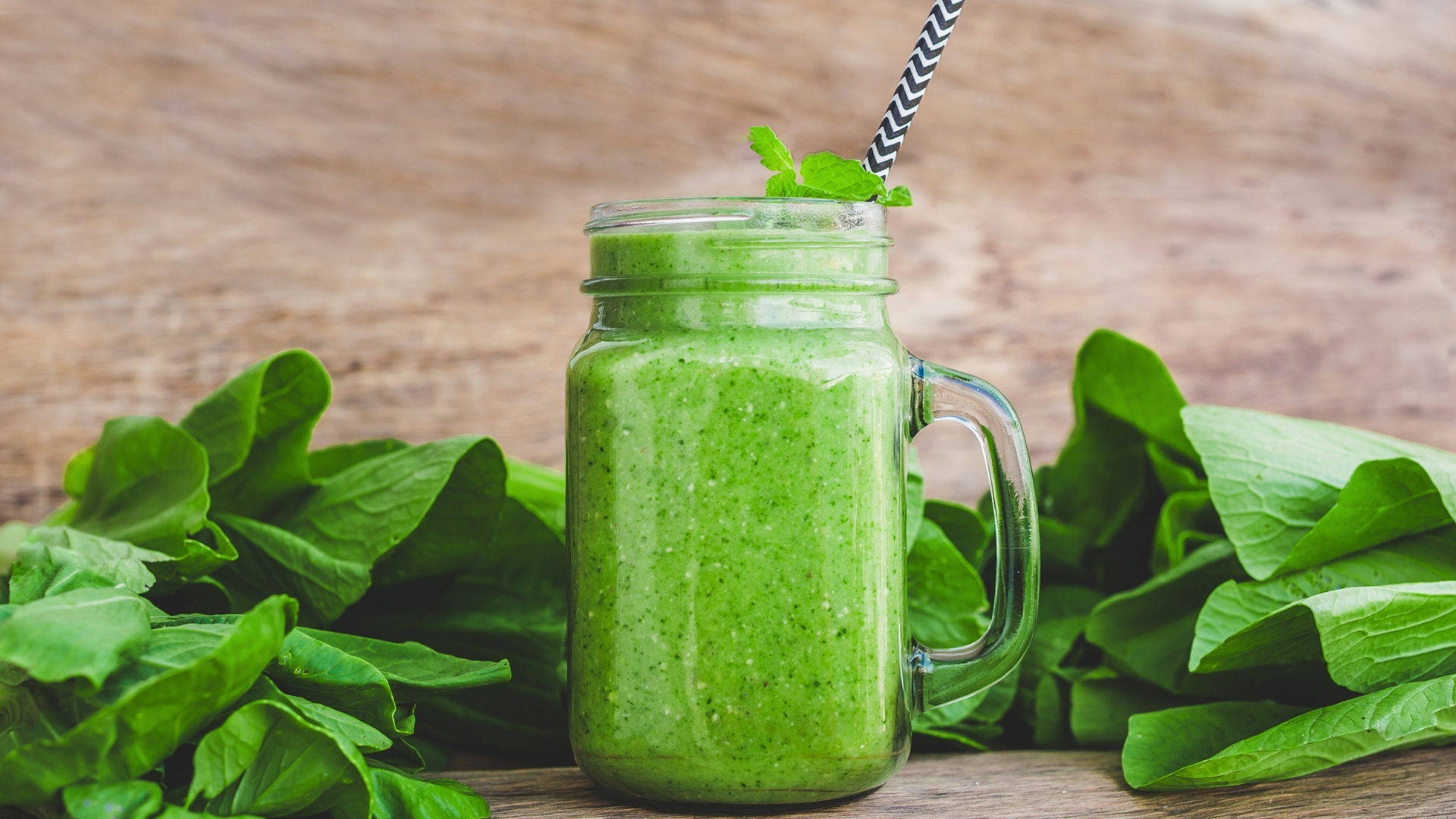
2. Leafy Green Vegetables
Spinach, kale, collard greens, and other leafy vegetables are nutrient-dense foods that fit naturally into an anti-inflammatory eating pattern.
They provide fiber, vitamins, minerals, carotenoids, and other plant compounds that contribute to overall health.
Try adding leafy greens to:
- Salads
- Soups
- Lentils and beans
- Omelets
- Sandwiches
- Smoothies
- Stir-fries
A simple approach is to add a handful of greens to at least one meal each day.
3. Fatty Fish
Fatty fish are among the most useful sources of omega-3 fatty acids.
Salmon, sardines, mackerel, and some other fish provide omega-3 fats that are associated with cardiovascular health and may influence inflammatory processes in the body.
For people who eat fish, incorporating fatty fish into meals can be a practical way to obtain these healthy fats.
If you don't eat fish, plant foods such as walnuts, chia seeds, and flaxseeds provide another source of omega-3 fatty acids, although they contain a different form of omega-3.
4. Extra-Virgin Olive Oil
Olive oil is a major component of Mediterranean-style eating.
It provides monounsaturated fat and plant compounds and can be used instead of some sources of saturated fat.
Try using olive oil for:
- Salad dressings
- Roasted vegetables
- Grain bowls
- Homemade dips
- Light sautéing
The overall dietary pattern matters more than adding olive oil to an otherwise highly processed diet. Mediterranean-style eating emphasizes vegetables, fruits, legumes, whole grains, nuts, seeds, fish, and healthy oils.
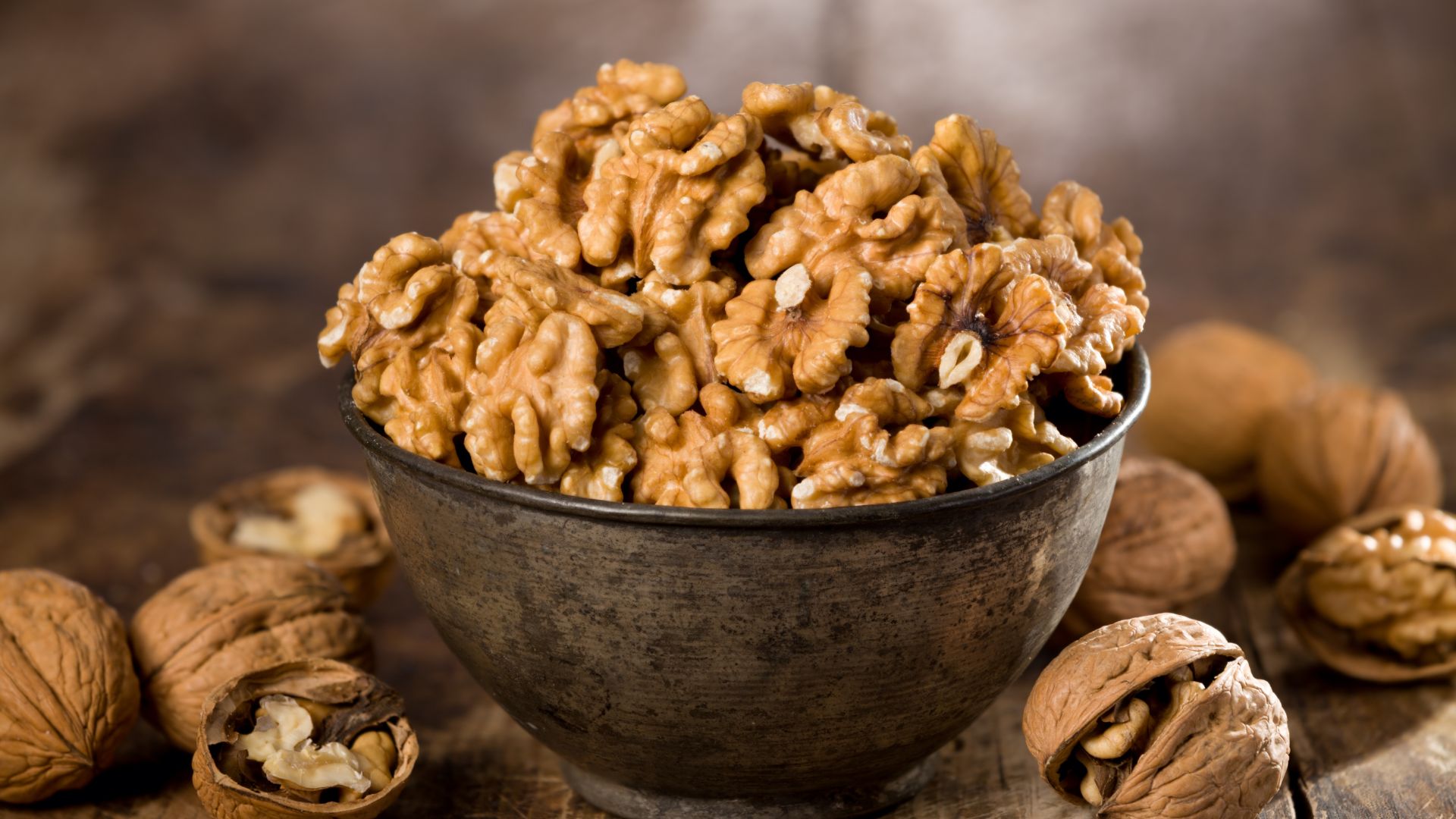
5. Nuts and Seeds
Nuts and seeds can provide healthy unsaturated fats, fiber, minerals, and plant compounds.
Good choices include:
- Walnuts
- Almonds
- Pistachios
- Chia seeds
- Flaxseeds
- Pumpkin seeds
- Sesame seeds
Research has associated regular consumption of nuts and seeds with healthier inflammatory profiles and cardiovascular outcomes.
A small handful of unsalted nuts can make a convenient snack, while seeds can be added to oatmeal, yogurt, salads, or smoothies.
6. Whole Grains
Whole grains contain more of the grain's natural structure than refined grains and are useful sources of dietary fiber.
Examples include:
- Oats
- Barley
- Brown rice
- Quinoa
- Whole-grain bread
- Whole-grain cereals
Fiber-rich foods can support digestive health and are an important part of healthy dietary patterns associated with lower inflammation.
Instead of completely changing your diet overnight, try replacing one refined-grain food with a whole-grain alternative each day.
7. Beans and Lentils
Beans, chickpeas, peas, and lentils are excellent whole-food sources of fiber and plant protein.
They can also help make meals more filling without relying heavily on processed foods.
Try:
- Lentil soup
- Chickpea salad
- Rajma with vegetables
- Dal with whole grains
- Hummus with fresh vegetables
- Bean-based grain bowls
Fiber is one reason legumes are frequently included in Mediterranean-style and other healthy eating patterns.
8. Tomatoes
Tomatoes are rich in plant compounds, including lycopene, and are a simple addition to everyday meals.
You can eat them:
- Fresh in salads
- Cooked in vegetables
- In soups
- With whole-grain toast
- In homemade sauces
Eating a variety of colorful vegetables is generally more important than focusing on one individual vegetable.
9. Garlic and Onions
Garlic and onions can add flavor while also contributing naturally occurring plant compounds to meals.
Instead of depending on heavily processed sauces for flavor, experiment with:
- Fresh garlic
- Onions
- Ginger
- Herbs
- Spices
- Lemon juice
Harvard Health specifically includes garlic and several herbs and spices among foods containing compounds with potential anti-inflammatory properties.
10. Turmeric and Ginger
Turmeric and ginger are popular ingredients in traditional cooking and are particularly useful for adding flavor to meals and drinks.
Turmeric contains curcumin, while ginger contains several bioactive compounds. Research into these compounds continues, but adding them to a balanced diet is different from assuming that concentrated supplements can treat a medical condition.
You can use them in:
- Vegetable curries
- Soups
- Lentil dishes
- Herbal beverages
- Stir-fries
- Homemade dressings
Whole foods should remain the foundation of the diet.
11. Green Tea
Green tea contains polyphenols and antioxidants and can be an alternative to sugary beverages.
If you enjoy tea, unsweetened green tea can be incorporated into a balanced lifestyle.
However, adding sugar or highly sweetened flavorings can change the nutritional profile of the drink.
12. Avocados
Avocados provide monounsaturated fats, fiber, and various micronutrients.
You can add avocado to:
- Whole-grain toast
- Salads
- Grain bowls
- Vegetable wraps
- Homemade dips
They are another way to incorporate healthy fats into meals.
13. Citrus Fruits
Oranges, grapefruit, lemons, and other citrus fruits provide vitamin C and various plant compounds.
Whole fruit is generally preferable to sugary fruit-flavored drinks because it also provides fiber.
Try adding citrus fruit to breakfast or using lemon juice and zest to flavor vegetables, salads, or homemade dressings.
14. Fermented Foods
Some fermented foods, including plain yogurt, kefir, and certain fermented vegetables, contain microorganisms that may support gut microbial diversity.
Gut health and inflammation are active areas of research, and fermented foods can be part of a varied, nutrient-rich diet.
When choosing packaged fermented foods, check the label because some products can contain significant amounts of added sugar or sodium.
Foods to Limit for a More Anti-Inflammatory Eating Pattern
An anti-inflammatory lifestyle isn't only about adding foods. It also involves reducing foods that are less supportive of overall health when eaten frequently.
Foods and drinks commonly recommended to limit include:
- Sugar-sweetened beverages
- Highly refined carbohydrates
- Deep-fried foods
- Highly processed snacks
- Processed meats
- Excessive sweets
- Foods high in added sugars
Harvard Health's 2026 guidance emphasizes whole or minimally processed foods while limiting ultra-processed foods, refined grains, sugary foods and drinks, and processed meats.
This doesn't mean you must completely eliminate every food on the list. The overall pattern of eating is more important than perfection.
The Mediterranean Diet and Inflammation
One of the best-known eating patterns associated with anti-inflammatory foods is the Mediterranean-style diet.
It typically emphasizes:
- Vegetables
- Fruits
- Whole grains
- Beans and lentils
- Nuts and seeds
- Fish
- Olive oil
- Herbs and spices
It also generally limits highly processed foods, refined carbohydrates, sugary drinks, and large amounts of processed and red meat.
Rather than following a strict diet plan, you can borrow these principles and adapt them to the foods you already enjoy.
How to Build an Anti-Inflammatory Plate
A simple everyday meal can include:
Half the plate: vegetables and/or fruit
One-quarter: whole grains or another high-fiber carbohydrate
One-quarter: beans, lentils, fish, poultry, or another protein source
Add: nuts, seeds, avocado, or a small amount of olive oil
This approach makes healthy eating easier because it focuses on what you can add rather than creating a long list of foods you cannot eat.
Simple One-Day Anti-Inflammatory Meal Plan
Breakfast
Oatmeal with blueberries, chia seeds, walnuts, and plain yogurt.
Mid-Morning Snack
An apple with a small handful of almonds.
Lunch
Lentils with brown rice, spinach, tomatoes, cucumber, and a lemon-olive oil dressing.
Evening Snack
Plain yogurt with strawberries or another seasonal fruit.
Dinner
Grilled or baked fish with roasted vegetables and a whole grain.
Beverage
Water, unsweetened green tea, or another low-sugar beverage.
The goal isn't to follow this exact menu every day. Instead, use it as a template for combining whole foods, fiber, healthy fats, and colorful plants.
7 Simple Ways to Eat More Anti-Inflammatory Foods
You don't need to completely change your diet to get started.
1. Add One More Vegetable
Include an extra serving of vegetables with lunch or dinner.
2. Replace Refined Grains
Try oats, brown rice, barley, quinoa, or whole-grain bread instead of refined alternatives more often.
3. Keep Nuts and Seeds Available
Choose unsalted nuts or seeds as a convenient snack.
4. Eat More Color
Aim for a variety of colorful fruits and vegetables throughout the week.
5. Use Herbs and Spices
Garlic, ginger, turmeric, cinnamon, and fresh herbs can make healthy meals more flavorful.
6. Choose Water More Often
Replace sugary beverages with water or unsweetened tea.
7. Focus on the Overall Pattern
Don't worry about finding one “superfood.” A consistent diet rich in minimally processed foods is more meaningful than occasionally eating a supposedly powerful ingredient.
Are Anti-Inflammatory Foods a Cure for Inflammation?
No single food can cure chronic inflammation or replace medical treatment.
Food is one part of a bigger picture that also includes regular physical activity, sufficient sleep, stress management, maintaining a healthy weight, and avoiding smoking. Harvard Health also emphasizes that an overall dietary pattern is more important than individual foods.
If you have persistent symptoms, an inflammatory condition, or a medical diagnosis, speak with a qualified healthcare professional rather than trying to manage the condition through food alone.
The best anti-inflammatory foods are not necessarily exotic or expensive. Many are everyday foods that can easily fit into a balanced diet.
Berries, leafy greens, fatty fish, nuts, seeds, beans, lentils, whole grains, olive oil, tomatoes, citrus fruits, herbs, and spices can all contribute valuable nutrients and plant compounds to your meals.
Instead of searching for a single food that “fights inflammation,” focus on building a colorful, varied, minimally processed eating pattern.
Small changes—such as adding vegetables to dinner, choosing whole grains, eating fruit instead of sugary snacks, and including nuts or seeds—can make healthy eating more practical and sustainable.
Natural living doesn't have to be complicated. Start with real food, variety, and consistency.

References