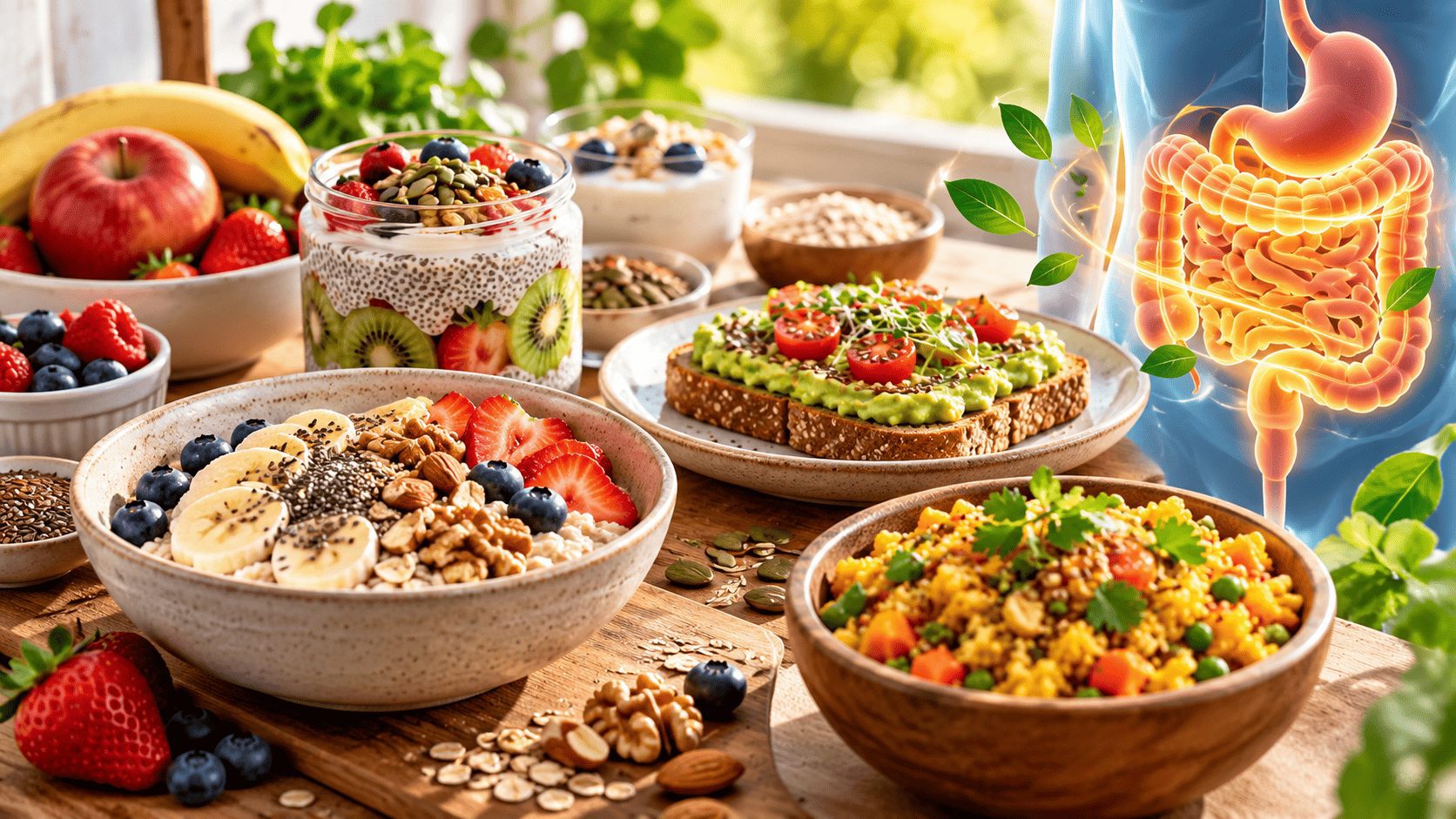
A healthy gut starts with the right food choices, and breakfast is an excellent opportunity to add more fiber to your daily diet. High-fiber breakfast foods support regular bowel movements, help nourish beneficial gut bacteria, and may keep you feeling full for longer. From oatmeal and chia seed pudding to whole-grain toast and fresh fruit, there are plenty of delicious ways to increase your fiber intake without making breakfast complicated.
Table of Contents
If you want to improve digestion, support your gut microbiome, and build healthier eating habits, choosing a fiber-rich breakfast can be a simple place to start.
Why Fiber Is Important for Gut Health
Dietary fiber is a type of carbohydrate found in plant-based foods that the body cannot fully digest. Instead of being broken down like other carbohydrates, some types of fiber pass through the digestive system and help maintain healthy bowel movements. Other types are fermented by beneficial bacteria in the large intestine.
There are two main types of dietary fiber:
Soluble fiber: This type dissolves in water and forms a gel-like substance in the digestive tract. It is found in foods such as oats, apples, beans, and chia seeds. Soluble fiber can help support healthy cholesterol levels and improve stool consistency.
Insoluble fiber: This type adds bulk to stool and helps food move through the digestive system. Whole grains, nuts, vegetables, and wheat bran are good sources.
Eating a variety of fiber-rich foods helps support regular digestion and a diverse gut microbiome. However, increasing fiber intake gradually is important because suddenly eating too much can cause bloating, gas, or abdominal discomfort.
7 High-Fiber Breakfast Ideas for Better Gut Health
You do not need expensive supplements or complicated recipes to enjoy a fiber-rich breakfast. These easy meal ideas use everyday ingredients and can fit into different dietary preferences.
1. Oatmeal with Fresh Fruits and Chia Seeds
Oatmeal is one of the easiest ways to add fiber to your morning meal. Oats contain beta-glucan, a type of soluble fiber that supports digestive health and can help maintain healthy cholesterol levels.
To make a nutritious bowl, cook rolled oats in milk or water and top them with sliced bananas, berries, and chia seeds. You can also add a few chopped walnuts for healthy fats and extra texture.
Why it helps: Oats provide soluble fiber, while fruits and chia seeds contribute additional fiber that supports regular bowel movements and beneficial gut bacteria.
Simple tip: Choose plain oats instead of heavily sweetened instant oatmeal to keep added sugar low.
2. Greek Yogurt with Berries and Flaxseeds

Greek yogurt is rich in protein, making it a satisfying breakfast option. Some varieties contain live cultures that may support gut health, although the benefits depend on the specific strains and product.
Combine plain yogurt with raspberries, blueberries, ground flaxseeds, and a small serving of oats. Berries provide fiber and plant compounds, while ground flaxseeds contribute fiber and healthy fats.
Why it helps: This combination provides protein, fiber, and, when the yogurt contains suitable live cultures, beneficial microorganisms.
Simple tip: Look for plain yogurt with live cultures and little or no added sugar. If dairy does not suit you, choose an appropriate fortified plant-based alternative.
3. Whole-Grain Toast with Avocado

Whole-grain toast with avocado is a convenient savory breakfast that supplies fiber and healthy unsaturated fats. Whole grains contain more fiber than refined grains because they retain the bran and germ.
Mash ripe avocado over whole-wheat or whole-grain toast. Add tomatoes, black pepper, lemon juice, or sesame seeds for extra flavor.
Why it helps: The fiber in whole grains and avocado supports regular digestion, while healthy fats can help make the meal more satisfying.
Simple tip: Check the ingredient list when buying bread. Choose products that list whole wheat or another whole grain as a main ingredient.
4. Chia Seed Pudding with Fruit

Chia seeds are an excellent source of fiber and are especially useful for preparing a quick breakfast ahead of time. When soaked in liquid, they form a thick gel that creates a pudding-like texture.
Mix chia seeds with milk or an unsweetened plant-based drink and refrigerate overnight. In the morning, add kiwi, strawberries, or sliced pear.
Why it helps: Chia seeds contain soluble fiber that absorbs water, while fruit adds different types of fiber and nutrients.
Simple tip: Start with a small serving, such as one tablespoon of chia seeds, and increase gradually if your digestion tolerates it. Always soak chia seeds properly before eating them in pudding.
5. Vegetable Poha with Peas

Poha is a popular Indian breakfast made from flattened rice. Traditional poha is not particularly high in fiber on its own, but adding vegetables, peas, and peanuts can make it more nutritious.
Prepare poha with green peas, carrots, onions, curry leaves, and a small handful of peanuts. Add lemon juice and fresh coriander for extra flavor.
Why it helps: Peas and vegetables increase the fiber content of the meal, while peanuts contribute additional fiber, protein, and healthy fats.
Simple tip: Serve vegetable poha with a small bowl of fruit or plain yogurt if you want to make your breakfast more balanced.
6. Whole-Grain Dalia with Nuts and Seeds
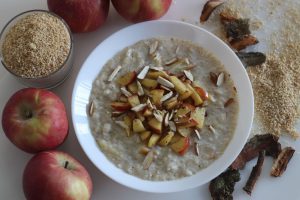
Dalia, or broken wheat, is a versatile ingredient for a filling breakfast. When made from whole wheat, it provides fiber that helps support regular bowel movements.
Cook dalia with water or milk until soft. For a sweet version, add chopped apples, almonds, and a few seeds. For a savory version, cook it with peas, carrots, beans, and mild spices.
Why it helps: Whole-wheat dalia supplies fiber, while nuts, seeds, and vegetables can increase the overall fiber and nutrient content.
Simple tip: Choose minimally processed whole-wheat dalia and adjust the portion to suit your appetite and digestive comfort.
7. Apple, Banana, and Nut Butter Bowl
If you prefer a breakfast that requires little or no cooking, combine fresh fruit with oats, nuts, and nut butter.
Slice an apple and a banana, then serve them with plain oats, a spoonful of peanut or almond butter, and a few walnuts. Apples contain pectin, a type of soluble fiber, while oats and nuts contribute additional fiber.
Why it helps: A mixture of fruits, whole grains, and nuts provides different types of fiber that support digestive regularity and help you feel satisfied.
Simple tip: Eat apples with their skin after washing them thoroughly, as the skin contributes additional fiber.
How Much Fiber Should You Eat Every Day?
Daily fiber needs depend on age, sex, energy intake, and individual health circumstances. For most adults, a useful general target is around 25–30 grams of fiber per day, although some recommendations vary.
You do not need to get all your fiber from breakfast. Instead, aim to spread fiber-rich foods across your meals and snacks.
Here is an example of how to build a fiber-rich day:
- Breakfast: Oatmeal with chia seeds and berries.
- Lunch: Whole-wheat roti with dal and mixed vegetables.
- Snack: An apple, pear, or a small handful of nuts.
- Dinner: Whole grains, beans or lentils, and cooked vegetables.
The actual fiber content will depend on portion sizes and ingredients. Check food labels or use a reliable nutrition database if you want to track your intake accurately.
Tips to Increase Fiber Without Bloating
Adding more fiber can improve digestion, but increasing it too quickly may cause gas, bloating, and discomfort. A gradual approach is usually easier on your digestive system.
Increase Fiber Gradually
Start by adding one fiber-rich food to your breakfast instead of changing your entire diet overnight. For example, add fruit to your oatmeal or include vegetables in your poha. Increase portions gradually as your body adjusts.
Drink Enough Water
Fiber works best when paired with adequate fluid intake. Water helps fiber move through the digestive system and can reduce the risk of constipation, particularly when you increase your intake of fiber-rich foods.
Choose Different Sources of Fiber
Do not rely on a single food. Include fruits, vegetables, whole grains, nuts, seeds, beans, and lentils throughout the week. Variety helps provide different types of fiber and supports a diverse gut microbiome.
Eat Slowly and Chew Thoroughly
Eating too quickly can increase swallowed air and may contribute to gas or bloating. Take your time during breakfast and pay attention to your body's response to different foods.
Identify Foods That Trigger Discomfort
Some nutritious foods, including certain fruits, legumes, and dairy products, can trigger symptoms in people with sensitive digestive systems. If a particular food repeatedly causes discomfort, try a smaller serving or an alternative rather than eliminating multiple food groups unnecessarily.
Persistent bloating, severe abdominal pain, blood in the stool, or unexplained weight loss should be discussed with a healthcare professional.
Best Time to Eat a High-Fiber Breakfast
Eating breakfast in the morning can be a practical way to establish a consistent eating routine, but there is no single ideal time that everyone must follow for better gut health.
Choose a breakfast time that suits your schedule, appetite, and daily activities. What matters more is your overall dietary pattern, including adequate fiber, sufficient fluids, regular physical activity, and consistent eating habits.
If you do not feel hungry immediately after waking up, you can eat a little later. Focus on choosing a balanced meal rather than forcing yourself to eat at a particular time.
Common Mistakes to Avoid When Eating More Fiber
Even healthy breakfast choices can cause problems if you make sudden changes or overlook portion sizes.
- Adding too much fiber at once: Large increases can cause gas and bloating. Build your intake gradually.
- Ignoring hydration: Drink enough fluids throughout the day, especially when increasing fiber.
- Choosing refined grains instead of whole grains: White bread and highly refined cereals often contain less fiber than whole-grain alternatives.
- Relying only on fruit juice: Whole fruits generally provide more fiber than juice because much of the fiber is lost during juicing.
- Adding excessive sugar: Sweetened cereals, flavored yogurts, and sugary toppings can add considerable sugar without improving fiber intake.
- Expecting instant results: Digestive changes may take time, and fiber is only one part of maintaining gut health.
Eating a high-fiber breakfast is a simple way to support better gut health and improve your daily nutrition. Options such as oatmeal with chia seeds, yogurt with berries, whole-grain toast with avocado, vegetable poha, and whole-wheat dalia can help you add more fiber without relying on complicated recipes.
The best approach is to choose foods you enjoy, increase fiber gradually, drink enough water, and include a variety of plant-based foods throughout the day. Consistent habits are more important than finding one perfect breakfast.
Remember that fiber can support digestive health, but it is not a guaranteed treatment for every digestive problem. If symptoms persist, seek advice from a qualified healthcare professional.
Frequently Asked Questions
1. What is the best high-fiber breakfast for gut health?
Oatmeal with fruit and chia seeds is an excellent option because it combines soluble fiber, fruit fiber, and nutrients from plant-based foods. However, the best breakfast is one that suits your dietary needs and digestive tolerance.
2. Can eating fiber at breakfast help with constipation?
Yes. Fiber can help improve stool bulk and consistency, supporting regular bowel movements. Drinking enough fluids is also important. Increase fiber gradually to avoid discomfort.
3. Which fruits are best for a high-fiber breakfast?
Raspberries, pears, apples with their skin, bananas, kiwi, and oranges are useful options. Their fiber content varies by fruit and serving size, so including different fruits can help improve dietary variety.
4. Can a high-fiber breakfast cause bloating?
Yes. Increasing fiber too quickly or eating large portions of certain foods may cause gas and bloating. Start with smaller portions, increase intake gradually, and drink adequate fluids.
5. How much fiber should breakfast contain?
There is no universal breakfast-specific target. If your daily goal is around 25–30 grams, a breakfast containing approximately 5–10 grams of fiber can be a practical starting point. Your needs may differ depending on your age, diet, and health circumstances.

References