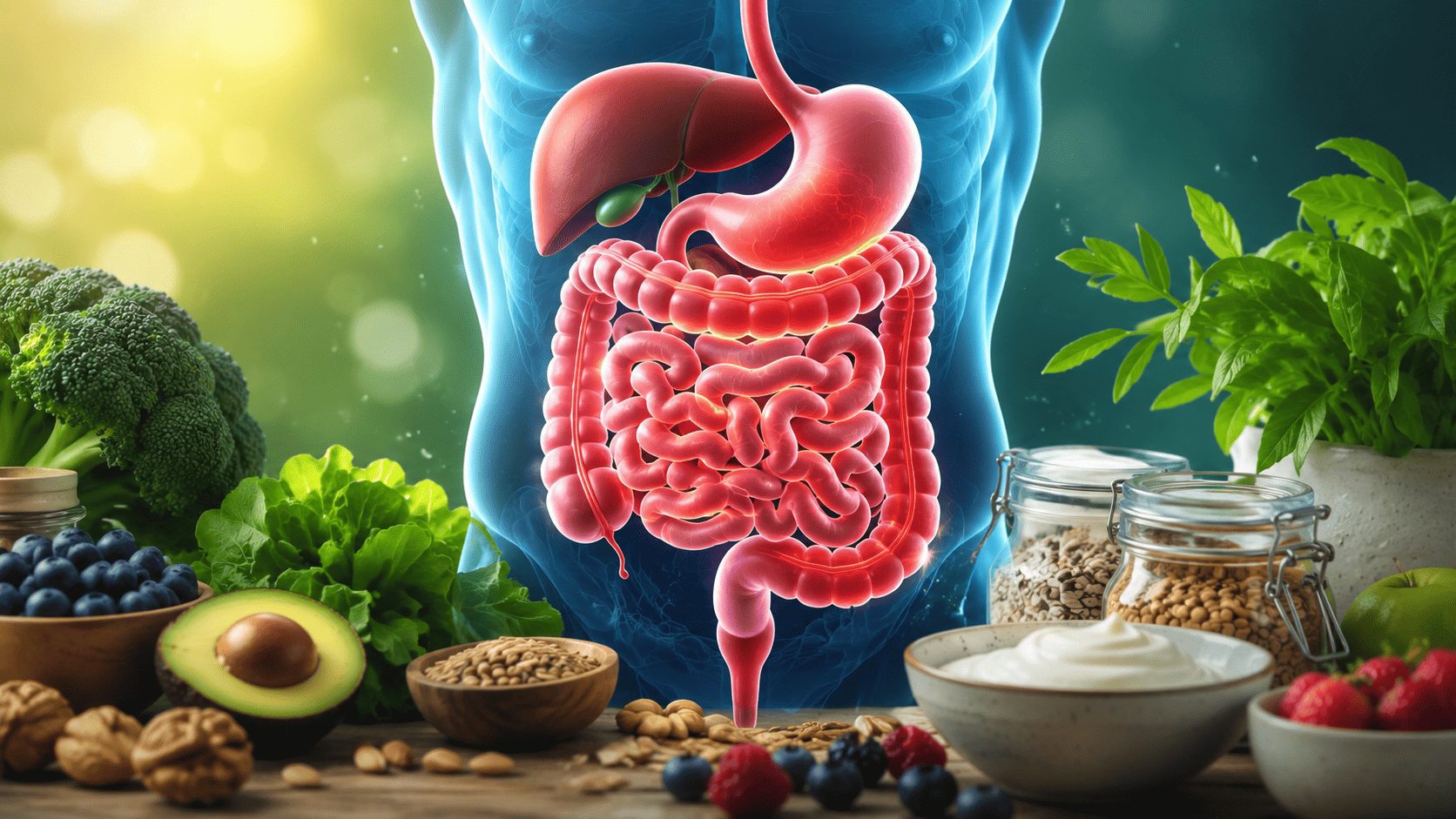
Gut health refers to the balance and function of the microorganisms living in your digestive tract, also known as the gut microbiome. Trillions of beneficial bacteria, fungi, and other microbes help digest food, absorb nutrients, support immunity, and influence overall well-being. A healthy gut is associated with better digestion, stronger immune function, and even improved mental health.
Table of Contents
Why Is Gut Health Important?
Your gut does much more than digest food. It plays a vital role in:
- Breaking down nutrients from food
- Supporting the immune system
- Producing essential vitamins
- Maintaining a healthy metabolism
- Communicating with the brain through the gut-brain axis
- Helping protect against harmful bacteria
Signs of Poor Gut Health
An unhealthy gut may cause several symptoms, including:
- Frequent bloating
- Constipation or diarrhea
- Gas and indigestion
- Food intolerances
- Fatigue
- Skin issues such as acne or eczema
- Poor sleep quality
- Frequent infections due to reduced immunity
Best Foods for Gut Health
1. High-Fiber Foods
Fiber feeds beneficial gut bacteria and supports healthy digestion.
Examples:
- Oats
- Whole grains
- Apples
- Bananas
- Beans
- Lentils
- Broccoli
2. Fermented Foods
These contain beneficial bacteria that may help maintain a balanced gut microbiome.
Examples:
- Yogurt
- Kefir
- Kimchi
- Sauerkraut
- Miso
3. Prebiotic Foods
Prebiotics nourish healthy gut bacteria.
Examples:
- Garlic
- Onions
- Asparagus
- Leeks
- Chicory root
4. Healthy Fats
Omega-3 fatty acids may help reduce inflammation.
Sources:
- Salmon
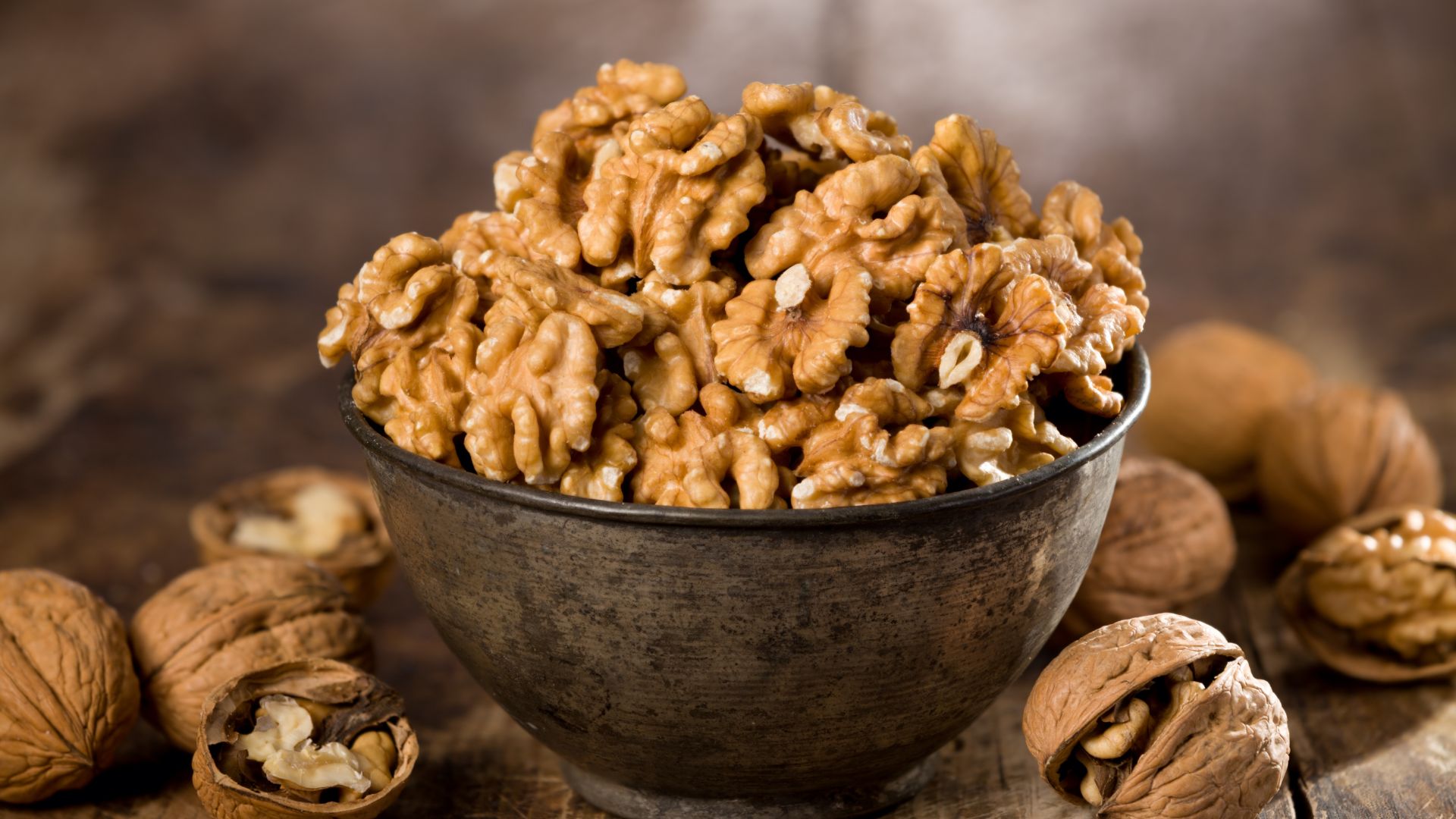
- Walnuts
- Flaxseeds
- Chia seeds
Foods to Limit
To support better gut health, reduce your intake of:
- Highly processed foods
- Sugary drinks
- Excess alcohol
- Artificial sweeteners (when they worsen symptoms)
- Excessive fried foods
Lifestyle Tips for Better Gut Health
Healthy habits are just as important as diet.
- Eat a variety of plant-based foods.
- Stay hydrated.
- Exercise regularly.
- Sleep 7–9 hours each night.
- Manage stress through meditation, yoga, or deep breathing.
- Take antibiotics only when prescribed by a healthcare professional.
Can Probiotics Help?
Probiotics are beneficial microorganisms that may support gut health in some people. While probiotic foods and supplements can be useful in certain situations, they are not a universal solution. A balanced diet rich in fiber and diverse plant foods remains the foundation of a healthy gut.
Frequently Asked Questions (FAQs)
How long does it take to improve gut health?
Many people notice digestive improvements within a few weeks of adopting healthier eating and lifestyle habits, though changes vary depending on the individual.
Is yogurt good for gut health?
Yes. Yogurt with live active cultures can provide beneficial bacteria and is one of several fermented foods that may support gut health.
Can stress affect gut health?
Yes. Ongoing stress can influence digestion and alter communication between the brain and gut, making stress management an important part of overall gut health.
Gut health is essential for digestion, immunity, and overall wellness. Eating a fiber-rich diet, including fermented and prebiotic foods, staying active, managing stress, and getting enough sleep can help maintain a healthy gut microbiome. Small, consistent lifestyle changes can have a meaningful impact on digestive health and long-term well-being.

References