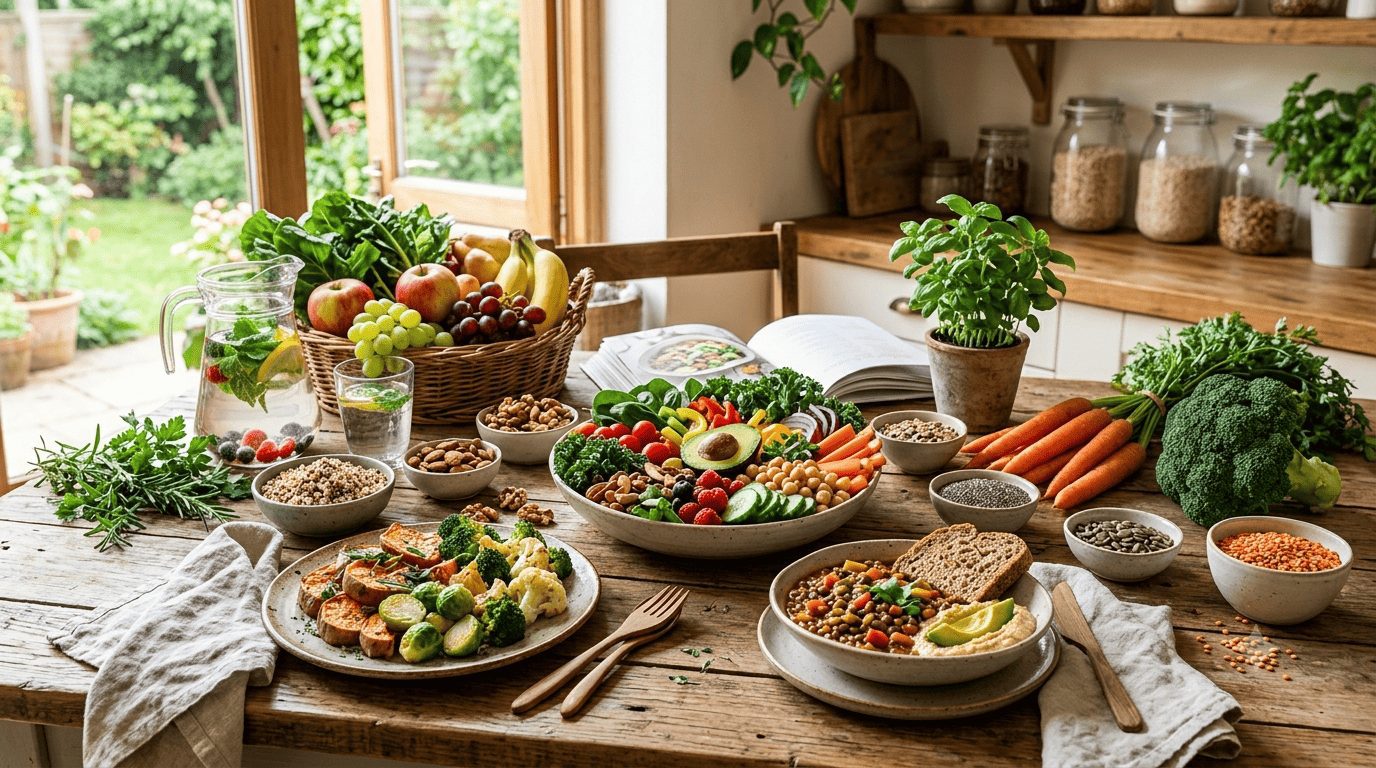
Organic & Plant-Based Eating has become one of the fastest-growing lifestyle choices worldwide. As more people focus on improving their health, protecting the environment, and supporting sustainable farming, organic and plant-based diets continue to gain popularity.
Whether you're looking to boost your energy, reduce your environmental impact, or simply eat cleaner foods, adopting an organic and plant-based lifestyle can provide numerous benefits. This guide explores everything you need to know about organic and plant-based eating, including its health benefits, environmental impact, and practical tips for getting started.
Table of Contents
- What Is Organic & Plant-Based Eating?
- Health Benefits of Organic & Plant-Based Eating
- Environmental Benefits of Organic & Plant-Based Eating
- Best Foods for an Organic & Plant-Based Diet
- Easy Tips to Start Organic & Plant-Based Eating
- Common Myths About Organic & Plant-Based Eating
- Sample One-Day Organic & Plant-Based Meal Plan
- Frequently Asked Questions
What Is Organic & Plant-Based Eating?
Organic & Plant-Based Eating combines two healthy approaches to nutrition:
- Organic foods are grown without synthetic pesticides, chemical fertilizers, genetically modified organisms (GMOs), or harmful herbicides.
- Plant-based eating focuses primarily on foods that come from plants, including vegetables, fruits, whole grains, legumes, nuts, seeds, and plant-based proteins.
While many people following a plant-based diet eliminate animal products completely, others simply reduce their consumption and prioritize plant foods.
Health Benefits of Organic & Plant-Based Eating
1. Supports Heart Health
Plant-based foods are naturally rich in fiber, antioxidants, and healthy fats. These nutrients help lower cholesterol levels, reduce blood pressure, and decrease the risk of heart disease.
2. Helps Maintain a Healthy Weight
Organic fruits, vegetables, legumes, and whole grains are nutrient-dense yet lower in calories. Their high fiber content promotes fullness and helps control overeating.
3. Improves Digestive Health
Fiber from plant-based foods supports healthy digestion, feeds beneficial gut bacteria, and helps prevent constipation.
4. Reduces Exposure to Chemicals
Organic produce contains fewer synthetic pesticide residues, making it an appealing choice for consumers seeking cleaner food options.
5. May Lower the Risk of Chronic Diseases
Research suggests that diets rich in whole plant foods may help reduce the risk of:
- Type 2 diabetes
- Certain cancers
- Obesity
- High blood pressure
- Heart disease
Environmental Benefits of Organic & Plant-Based Eating
Choosing organic and plant-based foods doesn't just benefit your body—it also helps the planet.
Lower Carbon Footprint
Plant-based foods generally require fewer natural resources than animal agriculture, leading to lower greenhouse gas emissions.
Better Soil Health
Organic farming practices improve soil quality by avoiding harmful chemicals and encouraging biodiversity.
Water Conservation
Growing plant foods often uses significantly less water compared to raising livestock.
Supports Biodiversity
Organic farms promote healthier ecosystems by protecting pollinators, beneficial insects, birds, and wildlife.
Best Foods for an Organic & Plant-Based Diet
Focus on incorporating a variety of nutrient-rich foods, including:
Organic Vegetables
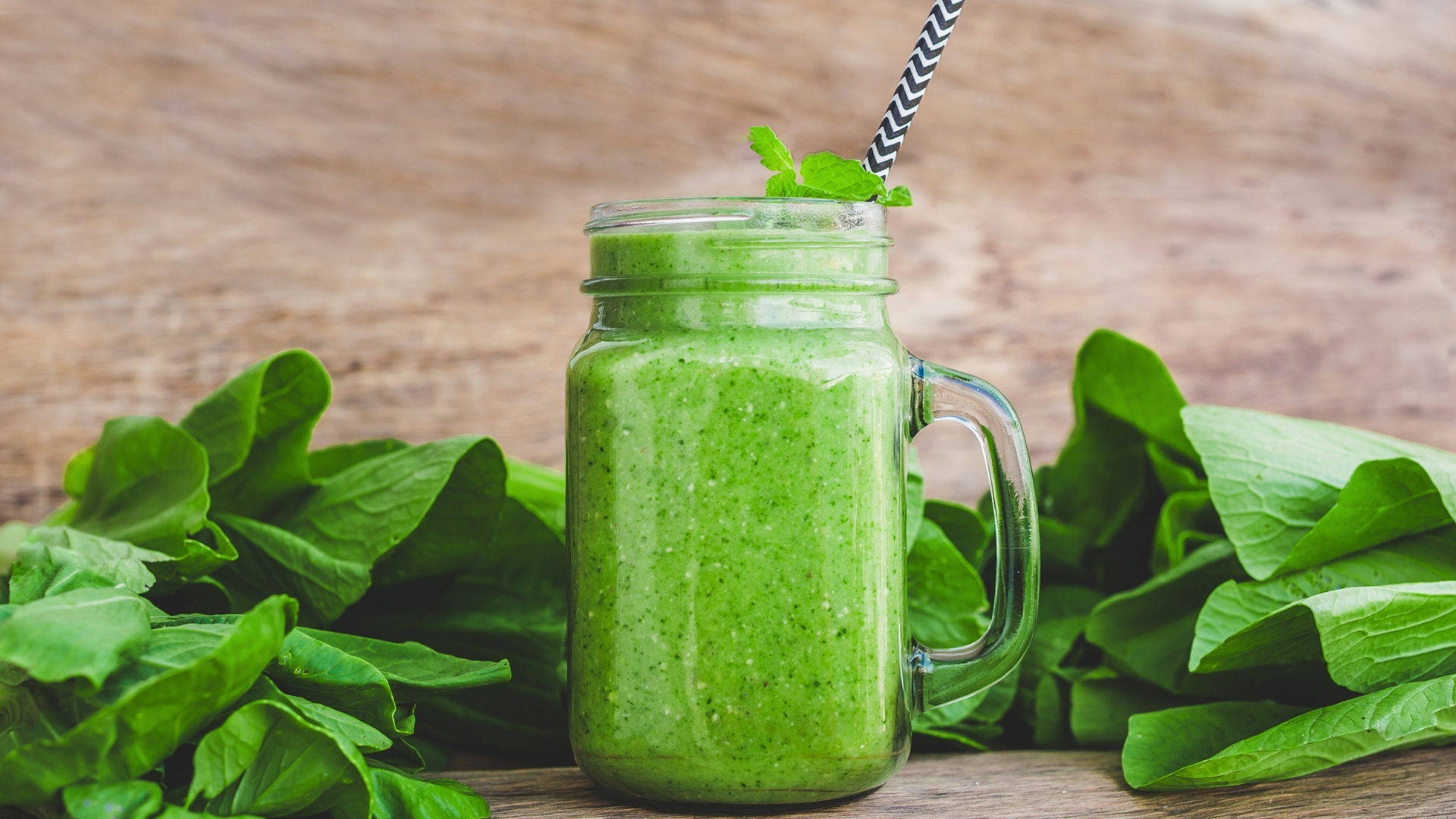
- Spinach
- Broccoli
- Kale
- Carrots
- Bell peppers
- Sweet potatoes
Organic Fruits
- Apples
- Berries
- Bananas
- Oranges
- Grapes
- Mangoes
Whole Grains
- Brown rice
- Quinoa
- Oats
- Whole wheat
- Millet
- Barley
Plant-Based Proteins
- Lentils
- Chickpeas
- Black beans
- Kidney beans
- Tofu
- Tempeh
- Edamame
Healthy Fats
- Avocados
- Almonds
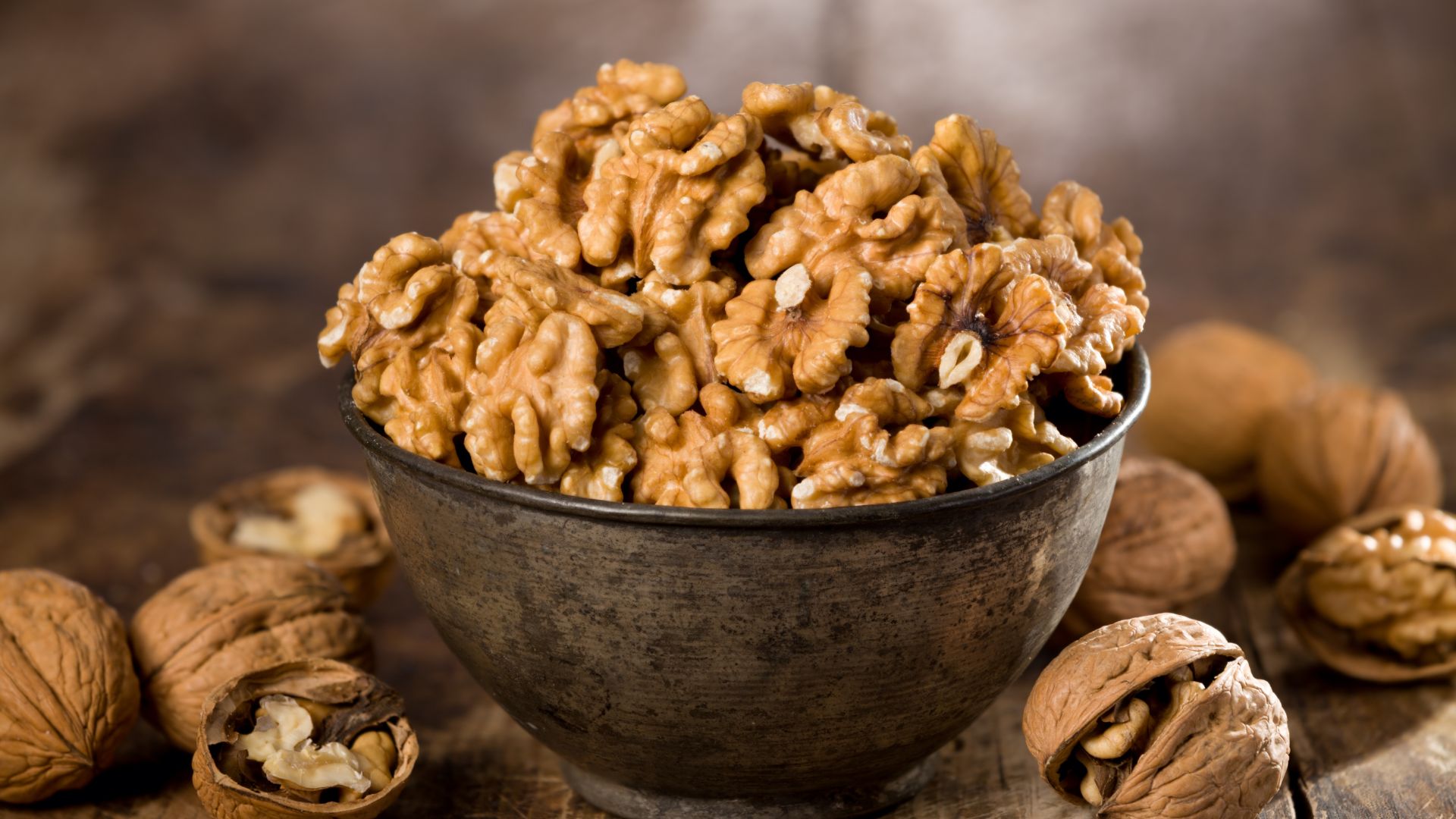
- Walnuts
- Chia seeds
- Flaxseeds
- Pumpkin seeds
Nutrients to Watch
A well-planned plant-based diet can provide nearly all essential nutrients. However, it's important to pay attention to:
- Vitamin B12
- Vitamin D
- Iron
- Calcium
- Zinc
- Omega-3 fatty acids
- Protein
Including fortified foods or supplements when appropriate can help meet nutritional needs.
Easy Tips to Start Organic & Plant-Based Eating
Start Slowly
Replace one or two meals each week with plant-based options before making larger changes.
Buy Seasonal Produce
Seasonal organic fruits and vegetables are often fresher, tastier, and more affordable.
Read Labels
Look for certified organic products and avoid highly processed foods whenever possible.
Cook More at Home
Preparing meals yourself allows you to control ingredients and reduce added sugars, sodium, and unhealthy fats.
Experiment with New Recipes
Try dishes featuring beans, lentils, tofu, mushrooms, quinoa, and colorful vegetables.
Common Myths About Organic & Plant-Based Eating
It's Too Expensive
Buying seasonal produce, dried beans, grains, and local organic products can make this lifestyle affordable.
You Won't Get Enough Protein
Many plant foods provide excellent protein, including lentils, tofu, chickpeas, quinoa, beans, and nuts.
Organic Means Completely Pesticide-Free
Organic farming may use approved natural pesticides, but it avoids most synthetic pesticides commonly used in conventional agriculture.
Plant-Based Diets Are Boring
Modern plant-based cooking offers thousands of flavorful recipes featuring herbs, spices, vegetables, grains, and plant proteins.
Sample One-Day Organic & Plant-Based Meal Plan
Breakfast
- Organic oatmeal with berries, chia seeds, and almond milk
Snack
- Apple with natural peanut butter
Lunch
- Quinoa salad with chickpeas, cucumber, tomatoes, spinach, and olive oil dressing
Snack
- Mixed nuts and fresh fruit
Dinner
- Stir-fried tofu with broccoli, carrots, brown rice, and sesame sauce
Dessert
- Organic fruit salad
Frequently Asked Questions
Is Organic & Plant-Based Eating good for beginners?
Yes. Start by adding more fruits, vegetables, legumes, and whole grains while gradually reducing processed and animal-based foods.
Can children follow a plant-based diet?
A carefully planned plant-based diet can support healthy growth when it includes adequate calories, protein, vitamins, and minerals. Parents should seek guidance from a qualified healthcare professional if needed.
Is organic food healthier?
Organic foods often contain fewer synthetic pesticide residues and support environmentally friendly farming practices. Nutritional differences between organic and conventional foods can vary, but many people choose organic for environmental and personal preference reasons.
Organic & Plant-Based Eating offers a balanced approach to improving personal health while supporting environmental sustainability. By choosing more organic fruits, vegetables, whole grains, legumes, nuts, and seeds, you can enjoy nutrient-rich meals that benefit both your body and the planet.
Small, consistent dietary changes can make a meaningful difference over time. Whether you transition gradually or adopt a fully plant-based lifestyle, embracing organic and plant-based eating is a positive step toward long-term wellness and sustainable living.

References