In brief
Salads can be a great addition to a weight loss plan, offering a variety of benefits that can contribute to your overall health and well-being. Here are some ways in which salads can support weight loss:A practical guide to Salad Benefits for…
Salads can be a great addition to a weight loss plan, offering a variety of benefits that can contribute to your overall health and well-being. Here are some ways in which salads can support weight loss:
A practical guide to Salad Benefits for losing weight
- Low in Calories: Salads, especially those made with leafy greens and non-starchy vegetables, are typically low in calories. This allows you to consume a larger volume of food with fewer calories, promoting a sense of fullness and satisfaction without exceeding your daily caloric intake.
- High in Fiber: Fiber is essential for promoting feelings of fullness and preventing overeating. Vegetables, fruits, and whole grains commonly found in salads are rich in fiber, which helps regulate digestion and stabilize blood sugar levels.
- Nutrient Density: Salads are a nutrient-dense food option, providing a wide range of vitamins, minerals, and antioxidants. Despite being low in calories, salads can offer a high concentration of essential nutrients, supporting overall health and well-being.
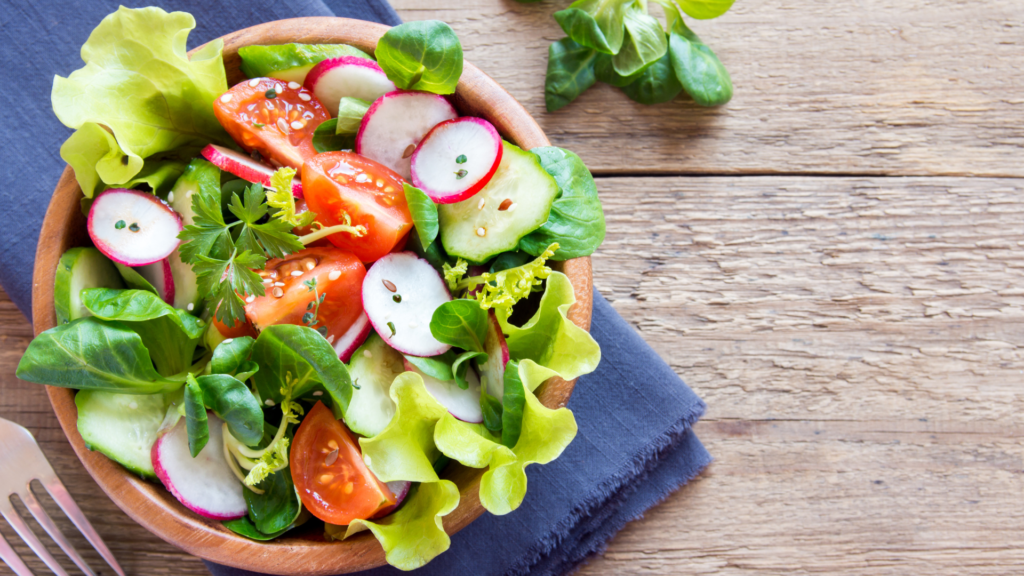
- Hydration: Many salad ingredients, such as cucumbers, tomatoes, and lettuce, have high water content. Staying hydrated is important for overall health, and foods with high water content can help contribute to your daily fluid intake.
- Increased Vegetable Intake: Including a variety of vegetables in your salads allows you to consume a diverse array of nutrients. Different vegetables offer different health benefits, and the variety can help ensure you get a range of essential vitamins and minerals.
- Controlled Portions: Salads can be a tool for portion control. By starting a meal with a nutrient-rich salad, you may be less likely to overeat during the main course, as the fiber and water content in the salad can help signal satiety.
- Healthy Fats: Adding sources of healthy fats, such as avocados, nuts, or olive oil, to your salad can enhance its nutritional profile. Healthy fats contribute to a feeling of fullness and can aid in the absorption of fat-soluble vitamins.
- Customizable: Salads are highly customizable, allowing you to create a meal that suits your taste preferences and dietary needs. You can incorporate a variety of proteins, including lean meats, fish, tofu, or legumes, to make your salad a more satisfying and balanced meal.
It's important to note that while salads can be a nutritious and weight-loss-friendly option, the overall balance of your diet and lifestyle also plays a crucial role in achieving and maintaining a healthy weight. It's advisable to include a variety of nutrient-dense foods, engage in regular physical activity, and maintain a sustainable and balanced approach to eating for long-term success.

Make this guide useful
How to put Salad Benefits for losing weight into practice
Use this article as a focused starting point for exploring Fruits and Vegetables. Read the ideas in the context of your own routine, priorities and available resources; the most useful change is usually the one you can return to consistently.
Start with one clear intention
Before trying everything at once, decide what you want this guide to help with. Write down one small, realistic action connected to “Salad Benefits for losing weight”, choose when you will try it, and notice what makes it easier or harder to continue.
Use a simple check-in
Give yourself enough time to observe rather than judge. A short note about what you tried, how it fitted into your day and what you would adjust next time can turn general advice into a routine that feels personal and sustainable.
Questions to take with you
- Which part of Fruits and Vegetables feels most relevant to my current routine?
- What is the smallest version of this idea I could try this week?
- What would help me keep the change practical, enjoyable and consistent?
Wellness information is for general education and is not a substitute for personalised medical advice. If you have symptoms, a diagnosis, take medication, are pregnant or have a health concern, speak with a qualified healthcare professional before making significant changes.
Further reading