The healthy gut–brain connection has become one of the most discussed topics in modern health research. Scientists now understand that your gut and brain constantly communicate through a complex network known as the gut-brain axis. This two-way communication influences not only digestion but also mood, memory, immunity, and overall well-being.
Maintaining a healthy gut can improve mental clarity, reduce stress, strengthen immunity, and promote better digestive health. In this article, we'll explore how the gut and brain work together and the best ways to support this powerful connection.
Table of Contents
What Is the Gut–Brain Connection?
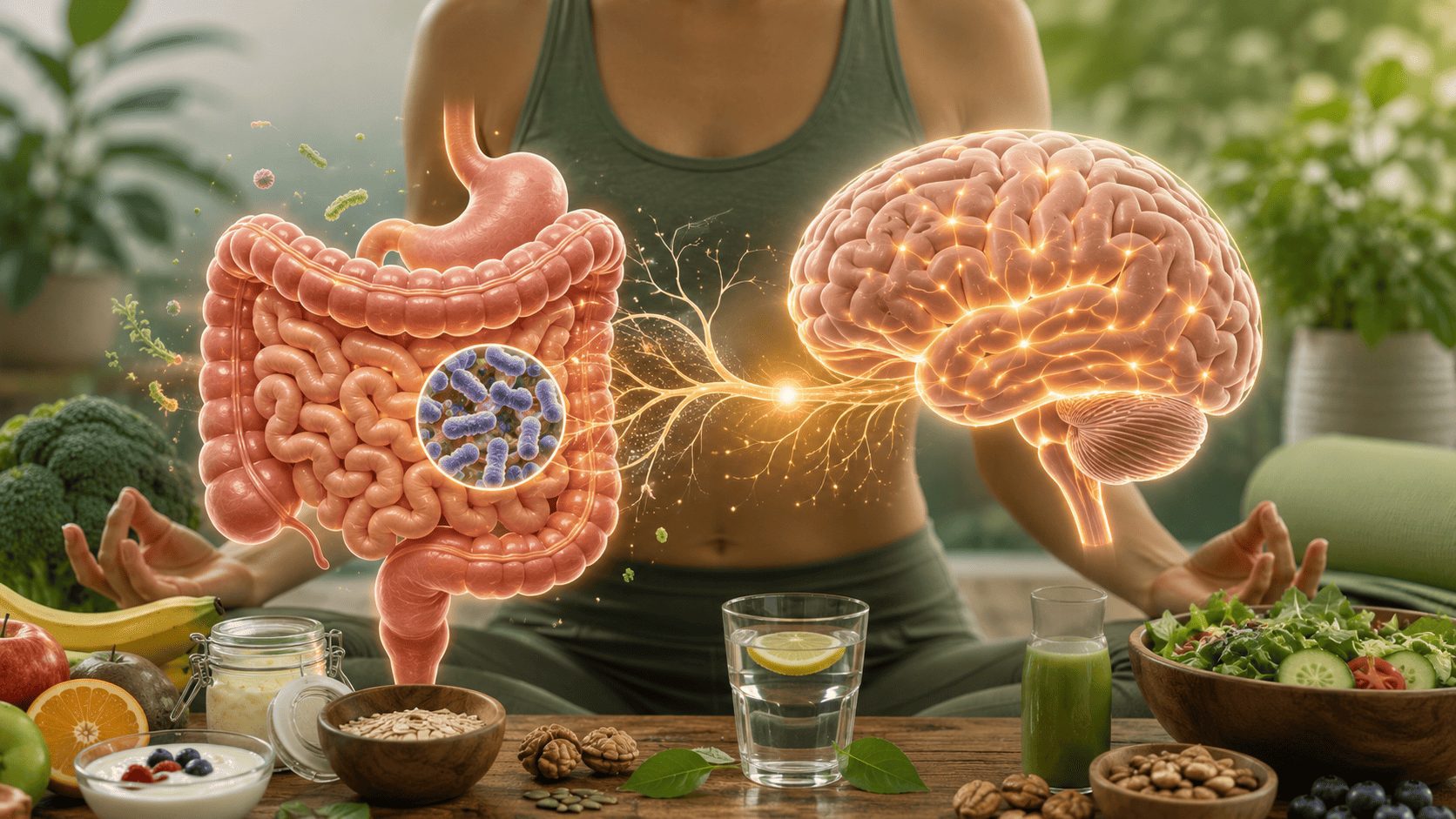
The gut–brain connection refers to the communication network between your digestive system and your brain. This communication occurs through:
- The vagus nerve
- Hormones
- Immune system signals
- Gut microbiome (beneficial bacteria)
Your digestive tract contains trillions of microorganisms that help regulate many bodily functions. These bacteria produce chemicals that directly affect brain function and emotional health.
Why a Healthy Gut Matters
A healthy gut contains a diverse balance of beneficial bacteria that help with:
- Digesting food efficiently
- Absorbing nutrients
- Supporting immune function
- Reducing inflammation
- Producing essential vitamins
- Protecting against harmful bacteria
When gut bacteria become unbalanced, it may contribute to digestive problems, weakened immunity, and even changes in mood.
How the Gut Affects Brain Health
Researchers often call the gut the “second brain” because it contains millions of nerve cells that communicate with the central nervous system.
A healthy gut may help support:
1. Better Mood
Gut bacteria help produce neurotransmitters like serotonin, which plays a major role in mood regulation. A balanced gut microbiome may contribute to emotional well-being.
2. Reduced Stress Response
A healthy digestive system may help regulate the body's stress response by supporting communication between the gut and brain.
3. Improved Cognitive Function
Emerging research suggests that gut health may influence memory, focus, and overall cognitive performance.
4. Better Sleep
The gut microbiome helps regulate hormones involved in sleep, making gut health an important part of maintaining healthy sleep patterns.
Signs of an Unhealthy Gut
You may experience symptoms such as:
- Frequent bloating
- Constipation
- Diarrhea
- Excess gas
- Food sensitivities
- Fatigue
- Difficulty concentrating
- Frequent illness
These symptoms can have many possible causes, so persistent concerns should be evaluated by a healthcare professional.
Best Foods for a Healthy Gut–Brain Connection
High-Fiber Foods
Fiber feeds beneficial gut bacteria.
Examples include:
Fermented Foods
These naturally contain beneficial bacteria.
Popular choices include:
- Yogurt
- Kefir
- Kimchi
- Sauerkraut
- Miso
Prebiotic Foods
Prebiotics nourish healthy gut bacteria.
Examples:
- Garlic
- Onion
- Bananas
- Asparagus
- Chicory root
Omega-3 Fatty Acids
Healthy fats support brain function and may help reduce inflammation.
Sources include:
- Salmon
- Sardines
- Walnuts
- Chia seeds
- Flaxseeds
Polyphenol-Rich Foods
These plant compounds help beneficial bacteria thrive.
Examples:
- Blueberries
- Green tea
- Cocoa
- Olive oil
Lifestyle Tips to Improve Gut and Brain Health
Eat a Balanced Diet
Focus on whole foods, vegetables, fruits, lean proteins, healthy fats, and whole grains.
Exercise Regularly
Physical activity supports a healthy gut microbiome while benefiting brain function.
Manage Stress
Chronic stress can affect digestion and gut bacteria. Helpful strategies include meditation, deep breathing, yoga, and spending time outdoors.
Get Enough Sleep
Aim for 7–9 hours of quality sleep each night to support both gut and brain health.
Stay Hydrated
Drinking enough water helps digestion and supports overall body function.
Limit Ultra-Processed Foods
Reducing highly processed foods and excessive added sugars may help maintain a healthier gut microbiome.
The Role of Probiotics
Probiotics are live microorganisms that may help support gut health when consumed in adequate amounts. They are available through fermented foods and dietary supplements.
While probiotics may benefit some people, their effects vary depending on the strain and individual health needs. It's best to consult a healthcare professional before starting supplements, especially if you have an underlying medical condition.
Frequently Asked Questions
How does the gut affect mental health?
The gut communicates with the brain through nerves, hormones, and the immune system. A healthy gut microbiome may support mood and emotional well-being.
Can improving gut health reduce stress?
Some research suggests that supporting gut health may help regulate the body's response to stress, although it is not a replacement for appropriate mental health care.
What foods improve gut health?
Fiber-rich foods, fermented foods, fruits, vegetables, legumes, whole grains, and healthy fats all support a healthy gut microbiome.
How long does it take to improve gut health?
Positive changes can begin within a few weeks of adopting healthier eating and lifestyle habits, though results vary from person to person.
The healthy gut–brain connection plays an important role in overall health. By nourishing your gut with a balanced diet, regular exercise, quality sleep, stress management, and healthy lifestyle choices, you can support digestion, brain function, and immune health.
Although research into the gut–brain axis is still evolving, maintaining a healthy gut is a practical step that can contribute to both physical and mental well-being over time.

References
- The gut-brain connection
- The Brain-Gut Connection
- The gut-brain connection: What the science says
- Unlock the brain-gut connection for better digestion and health
- The gut–brain connection: microbes’ influence on mental health and psychological disorders
- 5 Ways to Nurture the Gut-Brain Connection: Understanding Your Gut Feelings Will Take You to a New Level of Wellness