In brief
New Year’s Eve is a time for celebration, reflection, and fresh beginnings. While festivities often involve late nights and indulgent foods, maintaining balance is key to starting the New Year feeling energized rather than exhausted. By following natural living and holistic wellness…
New Year’s Eve is a time for celebration, reflection, and fresh beginnings. While festivities often involve late nights and indulgent foods, maintaining balance is key to starting the New Year feeling energized rather than exhausted. By following natural living and holistic wellness principles, you can enjoy New Year’s Eve while supporting your body, mind, and overall health.
This guide shares simple, natural, and practical tips to help you celebrate mindfully and welcome the New Year in good health.
Table of Contents
Eat Light and Nourishing Foods
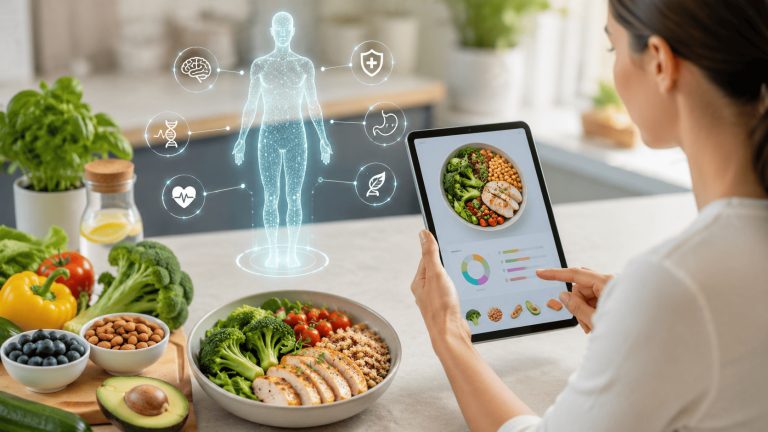
Heavy, oily, or overly processed foods can leave you feeling sluggish the next day. Instead, choose light and wholesome meals.
Healthy food tips for New Year’s Eve:
-
Include warm, home-cooked meals
-
Add fruits, vegetables, and whole grains
-
Choose nuts, seeds, and soups for nourishment
-
Avoid overeating late at night
Eating mindfully helps digestion and keeps your energy steady through the celebration.
Stay Hydrated Naturally
Hydration plays a major role in maintaining overall wellness, especially during late nights.
Natural hydration ideas:
-
Drink warm water throughout the evening
-
Herbal teas like ginger, fennel, or chamomile
-
Coconut water or infused water with lemon
Staying hydrated supports digestion, skin health, and energy levels.
Practice Mindful Celebration
New Year’s Eve is not just about external celebration—it’s also about inner balance.
Simple mindfulness practices:
-
Pause to express gratitude for the past year
-
Set positive intentions for the New Year
-
Avoid excess screen time
Mindful celebration reduces stress and enhances emotional well-being.
Gentle Movement for Better Energy
Staying active helps circulation and prevents stiffness from long hours of sitting.
Easy movement ideas:
-
Light stretching
-
A short evening walk
-
Gentle yoga or relaxed dancing
Even small movements can boost mood and digestion.
Protect Your Sleep Cycle
Late nights can disturb your natural rhythm, making the first day of the New Year feel tiring.
Tips for better rest:
-
Avoid very heavy meals before sleep
-
Reduce caffeine late in the evening
-
Create a calm bedtime routine
Quality sleep helps your body reset and heal naturally.
Start the New Year with Holistic Intentions
Instead of strict resolutions, choose realistic and nourishing goals.
Healthy New Year intentions:
-
Eat more natural and seasonal foods
-
Practice daily self-care
-
Reduce stress through mindfulness
-
Support holistic and sustainable living
Small, consistent habits lead to lasting wellness.
A healthy New Year’s Eve doesn’t mean missing out on joy—it means celebrating with balance and awareness. By choosing natural foods, staying hydrated, moving gently, and practicing mindfulness, you can welcome the New Year feeling refreshed, positive, and energized.
Celebrate wisely, live naturally, and begin the New Year with health, harmony, and happiness

Make this guide useful
How to put Healthy New Year’s Eve: Natural Ways to Celebrate and Start the Year Strong into practice
Use this article as a focused starting point for exploring Nutrition. Read the ideas in the context of your own routine, priorities and available resources; the most useful change is usually the one you can return to consistently.
Start with one clear intention
Before trying everything at once, decide what you want this guide to help with. Write down one small, realistic action connected to “Healthy New Year’s Eve: Natural Ways to Celebrate and Start the Year Strong”, choose when you will try it, and notice what makes it easier or harder to continue.
Use a simple check-in
Give yourself enough time to observe rather than judge. A short note about what you tried, how it fitted into your day and what you would adjust next time can turn general advice into a routine that feels personal and sustainable.
Questions to take with you
- Which part of Nutrition feels most relevant to my current routine?
- What is the smallest version of this idea I could try this week?
- What would help me keep the change practical, enjoyable and consistent?
Further reading