In today’s fast-paced world, generic diet advice is everywhere. From low-carb trends to intermittent fasting routines, people are constantly searching for the “perfect” way to eat. But what works for one person may not work for another. That’s why personalized nutrition plans are becoming one of the most effective and sustainable approaches to health and wellness.
A personalized nutrition plan is designed around an individual’s unique lifestyle, health goals, metabolism, dietary preferences, and medical history. Instead of following a one-size-fits-all diet, people receive customized guidance that helps them achieve better results while maintaining long-term healthy habits.
Table of Contents
- What Are Personalized Nutrition Plans?
- Why Personalized Nutrition Matters
- Key Components of a Personalized Nutrition Plan
- The Role of Technology in Personalized Nutrition
- Personalized Nutrition for Different Goals
- How to Start a Personalized Nutrition Plan
- Common Mistakes to Avoid
- The Future of Personalized Nutrition
What Are Personalized Nutrition Plans?
Personalized nutrition plans are tailored dietary strategies created to meet the specific nutritional needs of an individual. These plans consider multiple factors such as:
- Age and gender
- Weight and body composition
- Activity level
- Food allergies or intolerances
- Health conditions
- Fitness goals
- Cultural and dietary preferences
- Genetic and metabolic factors
By analyzing these details, nutrition professionals can recommend meals, portion sizes, nutrient intake, and eating schedules that align with a person’s body and lifestyle.
Why Personalized Nutrition Matters
Traditional diets often fail because they ignore individual differences. A personalized nutrition approach focuses on sustainability and realistic lifestyle adjustments rather than restrictive rules.
1. Better Weight Management
Customized meal plans help individuals maintain a calorie balance suited to their metabolism and activity level. This makes weight loss or muscle gain more achievable and sustainable.
2. Improved Energy Levels
Eating the right nutrients in the correct proportions can improve energy, concentration, and daily performance. Personalized plans help identify foods that support optimal physical and mental function.
3. Support for Medical Conditions
People with diabetes, high blood pressure, digestive disorders, or food sensitivities benefit greatly from tailored nutrition guidance. Personalized plans can help manage symptoms and improve overall health outcomes.
4. Sustainable Healthy Habits
Strict fad diets are difficult to maintain. Personalized nutrition plans are built around foods individuals enjoy, making it easier to stay consistent over time.
Key Components of a Personalized Nutrition Plan
A successful personalized nutrition strategy includes several important elements.
Nutritional Assessment
The process usually begins with an evaluation of current eating habits, health history, fitness levels, and wellness goals.
Customized Meal Planning
Meal recommendations are designed according to calorie requirements, nutrient balance, and food preferences.
Lifestyle Integration
The best nutrition plans fit seamlessly into a person’s schedule, work routine, family life, and cultural practices.
Ongoing Monitoring and Adjustments
As goals, activity levels, or health conditions change, nutrition plans should evolve as well. Regular progress tracking ensures continued success.
The Role of Technology in Personalized Nutrition
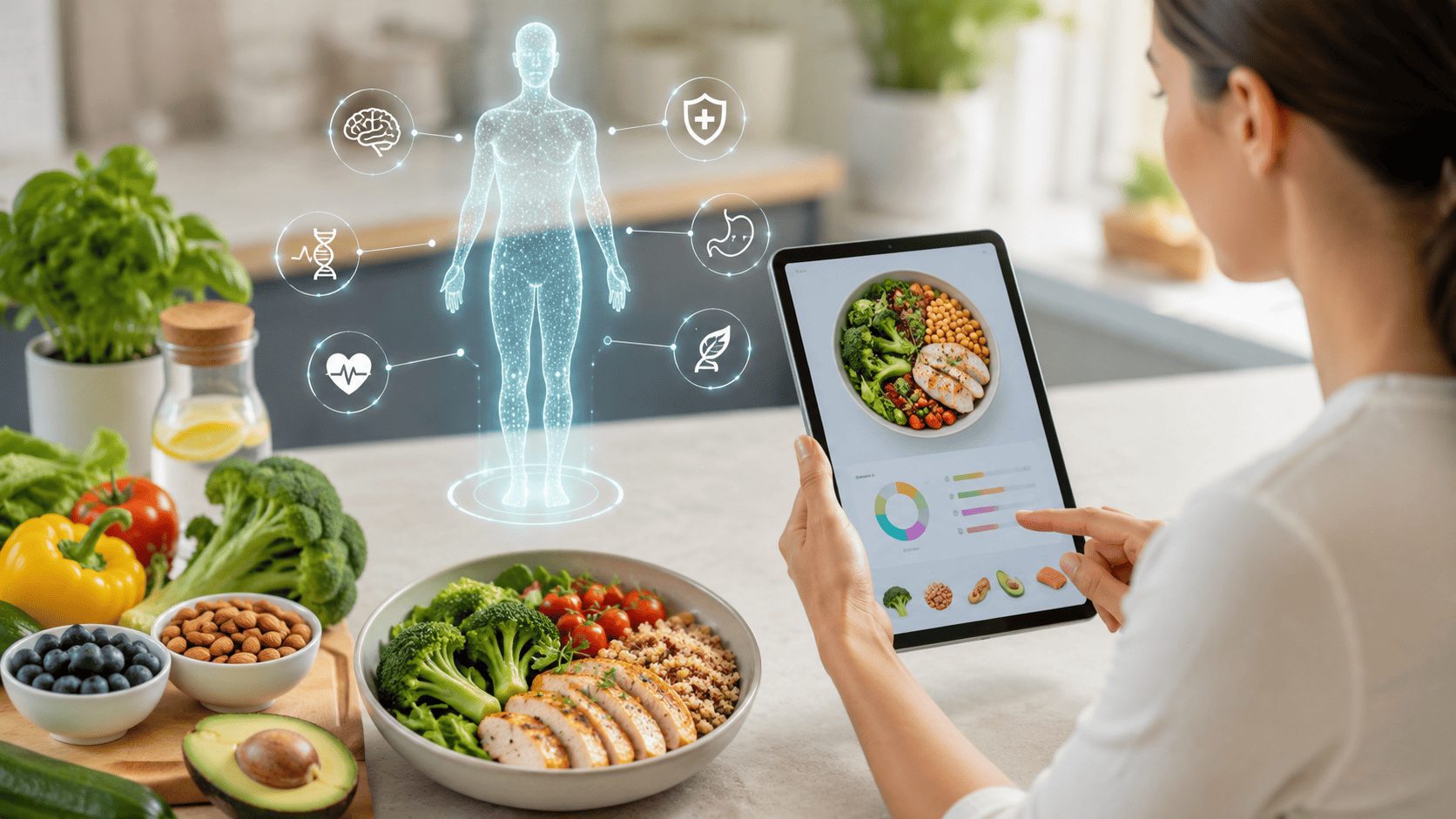
Technology has transformed how people approach nutrition and wellness. Today, many apps and digital platforms use data-driven insights to create highly customized nutrition recommendations.
Popular tools include:
- Fitness and calorie tracking apps
- Wearable health devices
- DNA-based nutrition testing
- AI-powered meal planning platforms
- Continuous glucose monitoring systems
These technologies help individuals make informed food choices and monitor their progress more effectively.
Personalized Nutrition for Different Goals
Weight Loss
Tailored calorie intake and balanced macronutrients support healthy fat loss without extreme restrictions.
Muscle Building
Higher protein intake and strategic meal timing help maximize muscle recovery and growth.
Athletic Performance
Athletes benefit from customized hydration, carbohydrate loading, and recovery nutrition strategies.
Disease Prevention
Personalized diets rich in vitamins, minerals, fiber, and antioxidants can reduce the risk of chronic illnesses.
How to Start a Personalized Nutrition Plan
Getting started with personalized nutrition does not have to be complicated. Here are a few practical steps:
- Define clear health goals
- Track current eating habits
- Consult a registered dietitian or nutrition expert
- Identify food preferences and intolerances
- Create realistic meal strategies
- Monitor progress consistently
The key is to focus on gradual, long-term improvements rather than quick fixes.
Common Mistakes to Avoid
While personalized nutrition can be highly effective, there are common pitfalls to watch for:
- Following overly restrictive meal plans
- Ignoring portion control
- Relying solely on supplements
- Expecting immediate results
- Failing to adjust the plan over time
Consistency and flexibility are essential for lasting success.
The Future of Personalized Nutrition
As health technology and nutritional science continue to evolve, personalized nutrition is expected to become even more advanced. Artificial intelligence, genetic testing, and microbiome analysis may soon provide highly precise dietary recommendations tailored to each individual’s biology.
This shift toward customized wellness reflects a growing understanding that health is deeply personal. Rather than chasing trends, more people are investing in nutrition strategies that truly fit their bodies and lifestyles.

References
- Personalized Nutrition: A Smarter Approach to Health
- Beyond the Basics: Personalized Nutrition Plans for Optimal Health
- What is personalized nutrition, and does it work?
- How to Create a Personalized Nutrition Plan That Works for You
- The Importance of Personalized Nutrition Plans in Your Weight Loss Journey