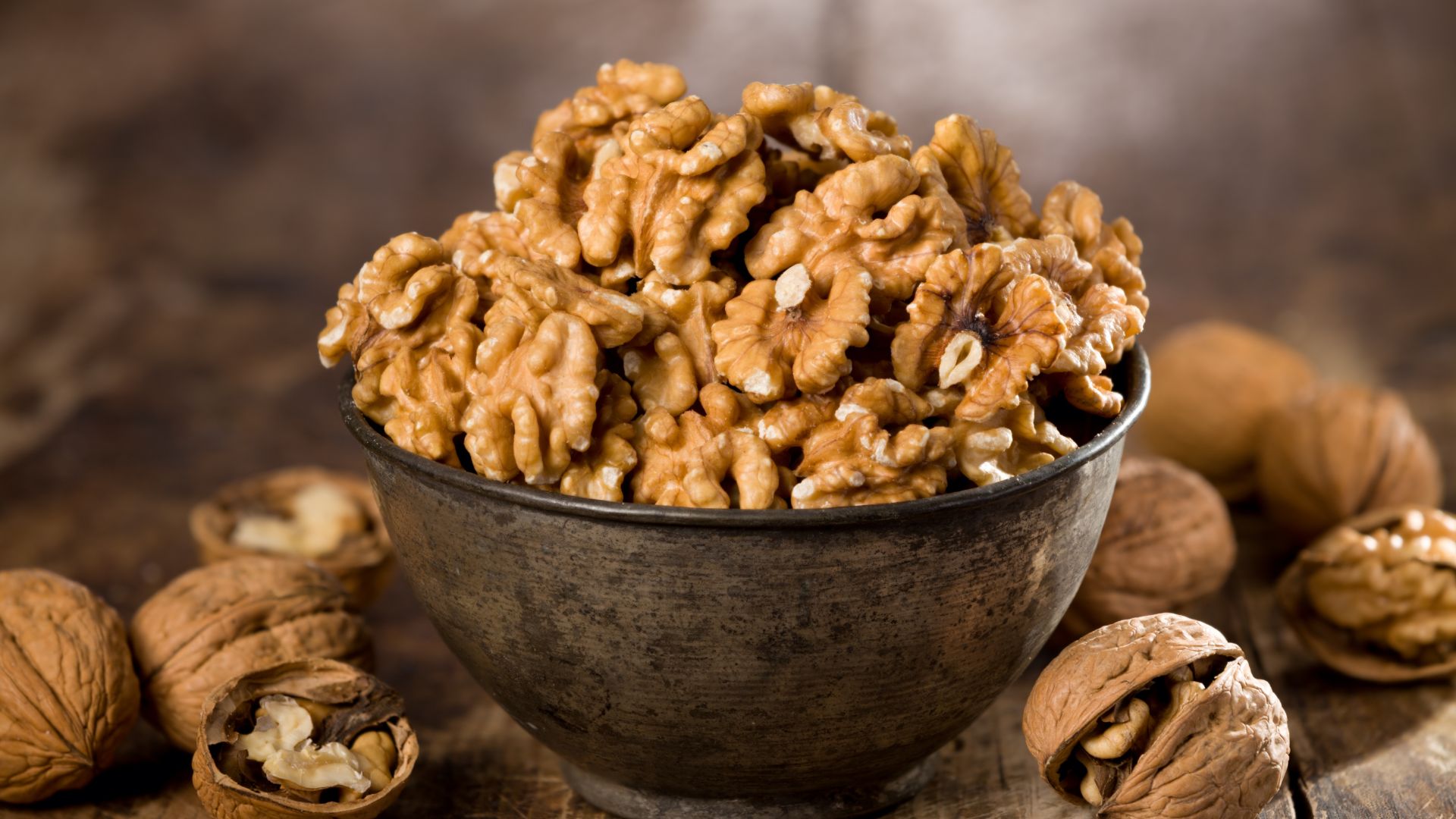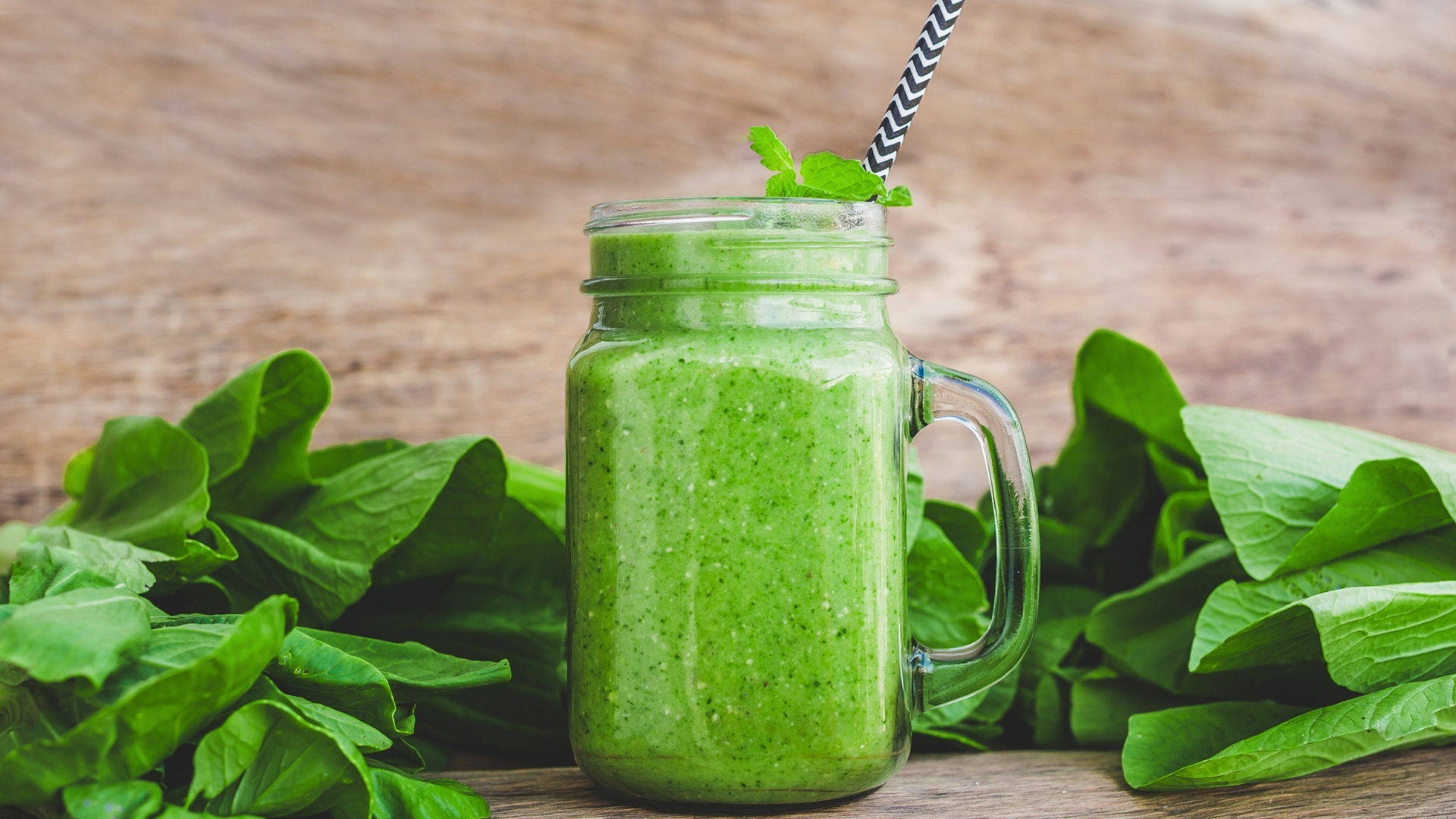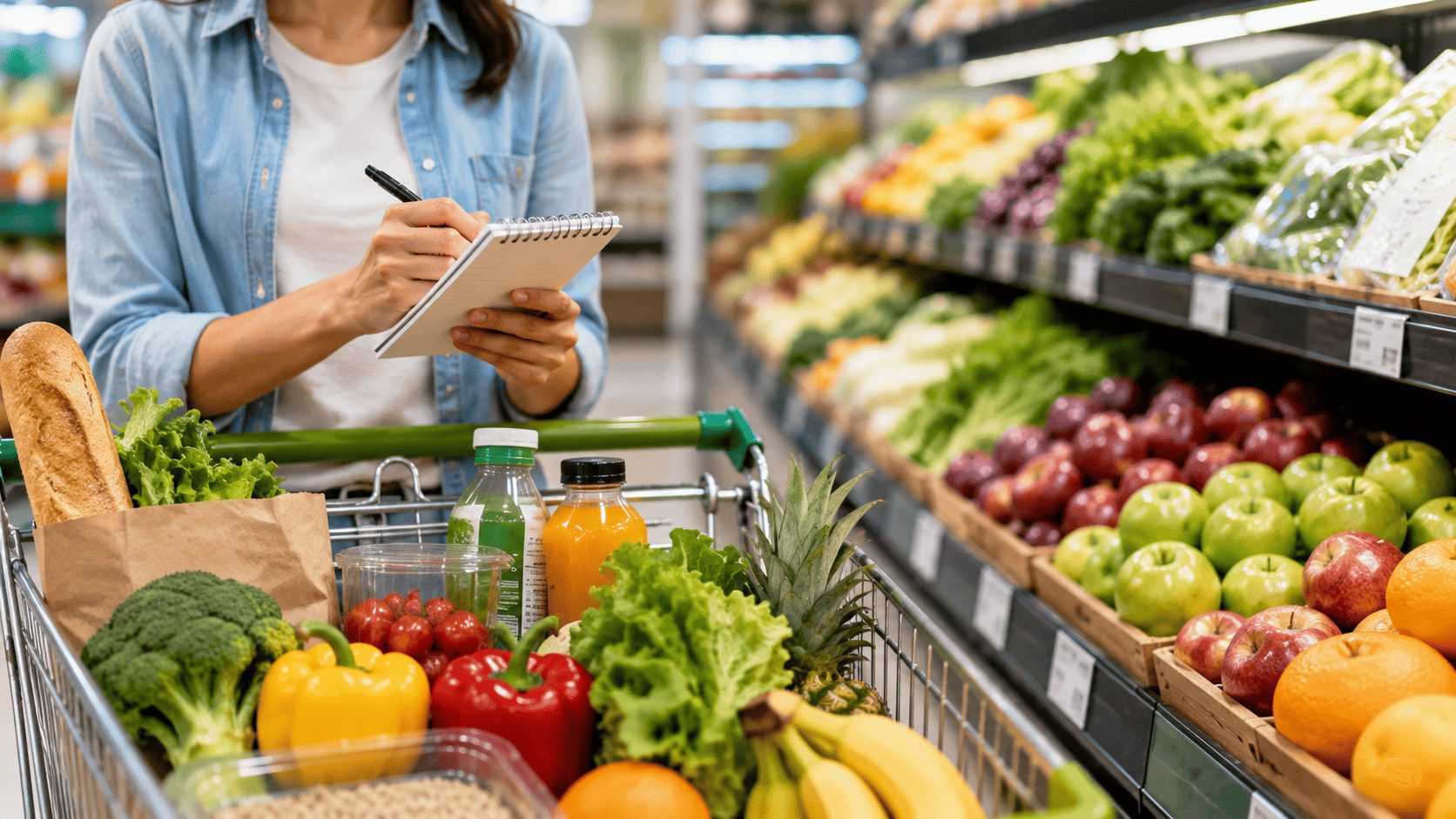
Eating healthy starts long before you prepare a meal—it begins at the grocery store. Making smart choices while shopping can help you build nutritious meals, reduce food waste, and stick to your budget. Whether you're shopping for yourself or your family, following a few practical grocery shopping strategies can make healthy eating easier and more affordable.
Table of Contents
- Why Healthy Grocery Shopping Matters
- Plan Your Meals Before Shopping
- Never Shop on an Empty Stomach
- Stick to Your Grocery List
- Choose Fresh Fruits and Vegetables
- Buy Whole Grains Instead of Refined Grains
- Read Nutrition Labels Carefully
- Select Lean Protein Sources
- Limit Processed Foods
- Shop the Perimeter of the Store
- Compare Prices and Unit Costs
- Buy Frozen Fruits and Vegetables
- Watch Portion Sizes
- Stay Hydrated Instead of Buying Sugary Drinks
- Don't Forget Healthy Snacks
- Shop With a Budget
- Common Grocery Shopping Mistakes
- Healthy Grocery Shopping Checklist
Why Healthy Grocery Shopping Matters
The foods you bring home directly influence your daily eating habits. Filling your cart with wholesome, nutrient-rich ingredients makes it easier to prepare balanced meals while avoiding excessive processed foods, added sugars, and unhealthy fats.
Benefits of healthy grocery shopping include:
- Better nutrition
- Improved energy levels
- Weight management
- Reduced food waste
- Lower grocery expenses
- Healthier eating habits for the entire family
Plan Your Meals Before Shopping
Meal planning is one of the most effective ways to shop smarter.
Before heading to the store:
- Plan meals for the week.
- Check what you already have in your pantry.
- Make a shopping list.
- Buy only what you need.
Planning helps reduce impulse purchases and ensures you always have ingredients for healthy meals.
Never Shop on an Empty Stomach
Shopping while hungry often leads to buying unhealthy snacks and convenience foods.
Eat a healthy meal or snack before grocery shopping to make more thoughtful food choices.
Stick to Your Grocery List
A shopping list keeps you focused and prevents unnecessary spending.
Organize your list into categories such as:
- Fruits
- Vegetables
- Whole grains
- Dairy
- Protein
- Healthy snacks
Following your list also helps save time during shopping.
Choose Fresh Fruits and Vegetables
Fresh produce should make up a large portion of your shopping cart.
Look for:
- Seasonal fruits
- Leafy greens
- Colorful vegetables
- Fresh herbs
Buying seasonal produce often means better taste, higher nutritional value, and lower prices.
Buy Whole Grains Instead of Refined Grains
Whole grains provide more fiber, vitamins, and minerals.
Healthy options include:
- Brown rice
- Oats
- Whole wheat bread
- Quinoa
- Barley
- Whole grain pasta
Fiber-rich foods help keep you full longer and support digestive health.
Read Nutrition Labels Carefully
Nutrition labels help you make informed decisions.
Pay attention to:
- Serving size
- Calories
- Added sugar
- Sodium
- Saturated fat
- Fiber
- Protein
Choose products with shorter ingredient lists and fewer artificial additives whenever possible.
Select Lean Protein Sources
Protein is essential for muscle repair, energy, and overall health.
Healthy protein choices include:
- Chicken breast
- Fish
- Eggs
- Beans
- Lentils
- Tofu
- Greek yogurt
- Nuts and seeds
Including a variety of protein sources creates a balanced diet.
Limit Processed Foods
Highly processed foods often contain excess sugar, salt, and unhealthy fats.
Try replacing processed snacks with healthier alternatives such as:
- Fresh fruit
- Unsalted nuts
- Air-popped popcorn
- Yogurt
- Hummus with vegetables
Small substitutions can significantly improve your overall diet.
Shop the Perimeter of the Store
Many grocery stores place fresh foods around the outer aisles.
These areas usually include:
- Produce
- Dairy
- Meat
- Seafood
- Eggs
The center aisles often contain more packaged and processed foods, though you'll also find healthy staples like beans, oats, and whole grains.
Compare Prices and Unit Costs
The cheapest item isn't always the best value.
Compare:
- Price per ounce
- Price per kilogram
- Store brands versus name brands
- Bulk purchases for frequently used items
Smart comparisons help reduce grocery bills without sacrificing quality.
Buy Frozen Fruits and Vegetables
Frozen produce is nutritious, convenient, and often more affordable than fresh options.
Choose products without added sugar, sauces, or excess salt.
Frozen fruits are excellent for smoothies, while frozen vegetables are perfect for quick meals.
Watch Portion Sizes
Large packages can seem economical but may lead to overeating or food waste.
Purchase quantities your household can realistically use before expiration.
Stay Hydrated Instead of Buying Sugary Drinks
Replace sugary beverages with healthier options such as:
- Water
- Sparkling water
- Unsweetened tea
- Herbal tea
Reducing sugary drink consumption supports better overall health.
Don't Forget Healthy Snacks
Nutritious snacks help prevent unhealthy cravings.
Good choices include:
- Apples
- Bananas
- Carrots
- Mixed nuts
- Cottage cheese
- String cheese
- Whole-grain crackers
- Roasted chickpeas
Having healthy snacks available makes nutritious eating more convenient.
Shop With a Budget
Healthy eating doesn't have to be expensive.
Budget-friendly tips include:
- Buy store brands
- Use coupons
- Purchase seasonal produce
- Buy in bulk when appropriate
- Freeze leftovers
- Avoid impulse purchases
Planning ahead helps stretch your grocery budget.
Common Grocery Shopping Mistakes
Avoid these frequent mistakes:
- Shopping without a list
- Buying too many processed foods
- Ignoring nutrition labels
- Purchasing excessive junk food
- Shopping while hungry
- Wasting perishable items
- Falling for marketing claims without checking ingredients
Healthy Grocery Shopping Checklist
Before checking out, make sure your cart includes:
- Fresh fruits
- Colorful vegetables
- Whole grains
- Lean proteins
- Low-fat dairy or dairy alternatives
- Healthy fats
- Nuts and seeds
- Beans and legumes
- Plenty of water
- Healthy snack options
Healthy grocery shopping is about making intentional choices that support your long-term well-being. Planning meals, reading labels, choosing whole foods, and sticking to a budget can transform your shopping habits and improve your overall diet. With a little preparation and mindful decision-making, every grocery trip becomes an opportunity to invest in better health for yourself and your family.

References
- Food Shopping and Meal Planning
- The Definitive Guide to Healthy Grocery Shopping
- Budget-friendly grocery shopping: spend less, eat better
- Healthy Grocery Shopping on a Budget: A Practical Guide
- Healthy eating on a budget: 10 tips to save money on groceries
- Healthy eating on a budget: 7 smart grocery habits that make family meals easier