In brief
Joint pain is a common problem affecting people of all ages, especially those with busy lifestyles, aging bodies, or inflammatory conditions. While painkillers may offer temporary relief, they often come with side effects. The good news is that there are many natural…
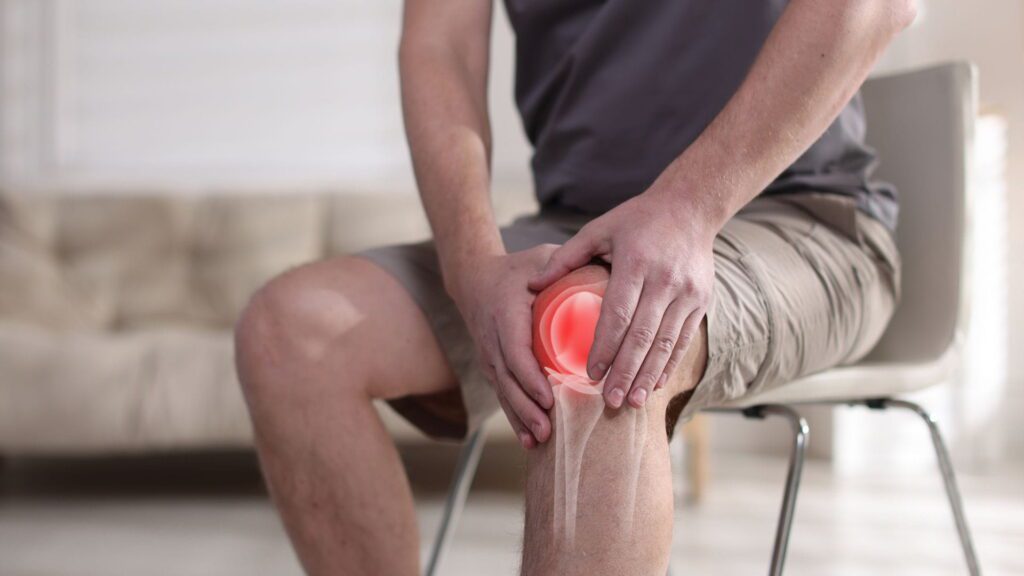
Joint pain is a common problem affecting people of all ages, especially those with busy lifestyles, aging bodies, or inflammatory conditions. While painkillers may offer temporary relief, they often come with side effects. The good news is that there are many natural ways to relieve joint pain at home that are safe, effective, and easy to follow.
By adopting natural remedies, gentle movement, and healthy habits, you can reduce inflammation, improve flexibility, and support long-term joint health without depending on medication.
Table of Contents
Common Causes of Joint Pain
Understanding the cause helps in choosing the right natural solution. Common causes include:
- Inflammation and arthritis
- Aging and wear-and-tear
- Poor posture and lack of movement
- Excess body weight
- Nutritional deficiencies
- Stress and poor sleep
Natural Remedies to Relieve Joint Pain at Home
Use Warm or Cold Compress
- Warm compress relaxes stiff joints and improves blood flow
- Cold compress reduces swelling and inflammation
Apply for 15–20 minutes once or twice daily.
Turmeric for Joint Pain Relief
Turmeric contains curcumin, a powerful anti-inflammatory compound.
- Mix turmeric with warm milk
- Or add it to daily meals
Regular use helps reduce joint stiffness and pain naturally.
Ginger for Inflammation
Ginger improves circulation and reduces inflammation.
- Drink ginger tea
- Add fresh ginger to food
It is especially helpful for arthritis-related joint pain.
Massage with Natural Oils
Oil massage improves joint flexibility and reduces stiffness.
Best oils include:
- Mustard oil
- Coconut oil
- Sesame oil
Massage gently before bedtime for better results.
Movement is essential for healthy joints. Avoid intense workouts and try:
- Walking
- Stretching
- Yoga
- Range-of-motion exercises
Daily gentle movement keeps joints lubricated and flexible.
Foods That Support Joint Health
A healthy diet plays a major role in reducing joint pain.
Include:
- Leafy green vegetables
- Nuts and seeds
- Fatty fish
- Turmeric and garlic
Avoid:
- Processed foods
- Excess sugar
- Refined oils
Maintain a Healthy Weight
Extra body weight puts pressure on joints, especially knees and hips. Losing even a small amount of weight can significantly reduce joint pain and improve mobility.
Improve Sleep and Reduce Stress
Poor sleep and chronic stress increase inflammation in the body.
Natural ways to improve sleep include:
- Drinking warm milk at night
- Practicing deep breathing
- Sleeping at a fixed time
A calm mind supports faster healing.
Stay Hydrated
Water helps lubricate joints and remove toxins from the body. Drink enough water throughout the day to keep joints healthy and flexible.
When to Be Careful
Natural remedies work best for mild to moderate joint pain. Consult a doctor if:
- Pain is severe or sudden
- Swelling increases
- Pain persists for a long time
Joint pain does not always require medication. By following natural ways to relieve joint pain at home, you can reduce inflammation, improve flexibility, and support long-term joint health safely. Consistency is key—simple daily habits can make a big difference over time.
Adopting a natural lifestyle not only helps your joints but also improves overall well-being.

Make this guide useful
How to put Natural Ways to Relieve Joint Pain at Home into practice
Use this article as a focused starting point for exploring Hydration. Read the ideas in the context of your own routine, priorities and available resources; the most useful change is usually the one you can return to consistently.
Start with one clear intention
Before trying everything at once, decide what you want this guide to help with. Write down one small, realistic action connected to “Natural Ways to Relieve Joint Pain at Home”, choose when you will try it, and notice what makes it easier or harder to continue.
Use a simple check-in
Give yourself enough time to observe rather than judge. A short note about what you tried, how it fitted into your day and what you would adjust next time can turn general advice into a routine that feels personal and sustainable.
Questions to take with you
- Which part of Hydration feels most relevant to my current routine?
- What is the smallest version of this idea I could try this week?
- What would help me keep the change practical, enjoyable and consistent?
Further reading