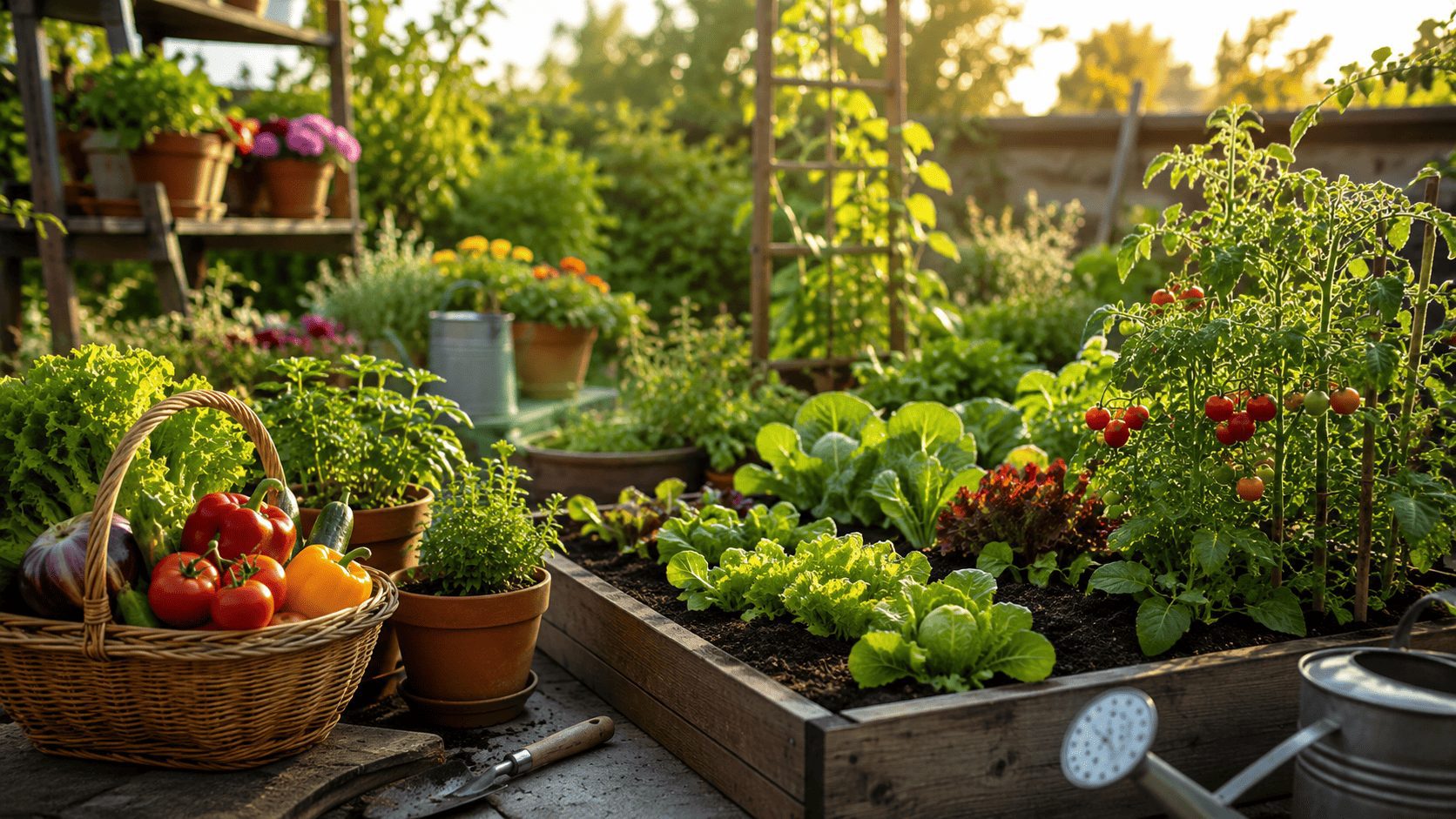
Growing your own food at home is a rewarding way to enjoy fresh, healthy produce while making your lifestyle more sustainable. Whether you have a large backyard, a small balcony, or just a few pots near a sunny window, home gardening can be started almost anywhere.
From growing vegetables and herbs to creating a small fruit garden, producing your own food gives you greater control over what you eat and can help reduce grocery expenses. In this guide, we’ll explore the benefits of home gardening, how to get started, and practical tips for growing fresh food at home.
Table of Contents
What Is Home Gardening?
Home gardening is the practice of growing plants, vegetables, fruits, and herbs around your home. You can grow food directly in the ground, raised garden beds, containers, pots, or other suitable spaces.
Popular crops for beginners include:
- Tomatoes
- Green chilies
- Spinach
- Radishes
- Carrots
- Coriander
- Mint
- Basil
- Beans
- Cucumbers
- Lettuce
Even a small garden can provide a surprisingly useful supply of fresh herbs and vegetables.
Benefits of Growing Your Own Food
1. Enjoy Fresh and Healthy Produce
One of the biggest advantages of growing your own food is freshness. Vegetables and herbs can be harvested when they are ready to eat, giving you nutritious produce straight from your garden.
Homegrown food also allows you to decide how your plants are cared for, including what fertilizers and pest-control methods you use.
2. Save Money on Groceries
A productive home vegetable garden can reduce the amount of certain vegetables and herbs you need to purchase. Crops such as herbs, leafy greens, tomatoes, and chilies can be especially useful because they can be harvested regularly.
3. Reduce Food Miles and Waste
Growing food at home can reduce the distance some of your produce travels from farm to table. You can also harvest only what you need, which may help reduce food waste.
Kitchen scraps and garden waste can often be composted and returned to the soil as organic matter.
4. Support a Sustainable Lifestyle
Home gardening can contribute to a more environmentally friendly lifestyle. Composting, collecting rainwater where appropriate, avoiding unnecessary chemicals, and choosing locally suitable plants are simple ways to make a garden more sustainable.
5. Improve Mental Well-Being
Gardening provides an opportunity to spend time outdoors, work with plants, and take a break from screens and busy routines. Caring for a garden can be both relaxing and satisfying.
How to Start a Home Garden
Starting a vegetable garden does not have to be complicated. A few basic steps can help you get off to a good start.
Choose the Right Location
Most edible plants need plenty of sunlight. Before planting, observe your available space and identify an area that receives several hours of direct sunlight each day.
If you live in an apartment, a balcony, terrace, or sunny windowsill can also be used for container gardening.
Select Suitable Plants
Choose crops according to your climate, available space, and gardening experience. Beginners should start with plants that are relatively easy to grow.
It is also important to choose varieties that suit the local growing season.
Prepare Healthy Soil
Healthy soil is essential for successful gardening. Good garden soil should provide plants with nutrients, air, and adequate drainage.
Adding well-decomposed compost or other suitable organic matter can improve soil structure and fertility.
Use Containers When Space Is Limited
You do not need a backyard to grow food. Containers can be used to grow herbs, leafy vegetables, chilies, tomatoes, and many other crops.
Make sure containers have drainage holes and are large enough for the plants you want to grow.
Best Vegetables to Grow at Home
Some vegetables are particularly suitable for home gardens.
Tomatoes
Tomatoes are popular among home gardeners because they can be grown in gardens, pots, and containers. They need sunlight, regular watering, support, and adequate nutrition.
Spinach and Other Leafy Greens
Leafy greens can be excellent choices for small gardens. They can often be harvested gradually, allowing you to enjoy fresh leaves while the plant continues producing.
Chilies
Chili plants can grow well in containers when provided with adequate sunlight and suitable soil. A few plants can provide a useful supply throughout the growing season.
Radishes
Radishes are among the quicker crops for many home gardeners. Their relatively short growing period makes them an encouraging choice for beginners.
Beans
Beans can be productive plants and can make good use of vertical growing space when climbing varieties are supported properly.
Growing Herbs at Home
Herbs are some of the easiest plants to grow in small spaces. Fresh herbs can add flavor to everyday meals while requiring relatively little space.
Consider growing:
- Coriander
- Mint
- Basil
- Curry leaves
- Parsley
- Lemongrass
Mint can spread aggressively, so growing it in a separate container is often a practical choice.
Watering Your Home Garden
Water is essential, but more water does not always mean healthier plants. Overwatering can damage roots and encourage certain plant diseases.
Water plants according to their needs, soil condition, weather, and container size. Watering the soil near the roots rather than constantly wetting the leaves can also be helpful.
A layer of organic mulch around suitable plants can help retain soil moisture and reduce weed growth.
Natural Pest Management
Garden pests can be frustrating, but you do not always need strong chemical pesticides to manage them.
Regularly inspect plants for insects, damaged leaves, and signs of disease. Removing badly affected plant parts and maintaining good airflow can help prevent problems from spreading.
Encouraging beneficial insects and using appropriate low-impact gardening methods can also support a healthier garden ecosystem.
Composting for a Healthier Garden
Composting is an excellent way to turn suitable kitchen and garden waste into useful organic matter.
Fruit and vegetable scraps, dry leaves, and other appropriate organic materials can be composted under suitable conditions. Finished compost can then be incorporated into garden soil.
Avoid adding materials that may attract pests or create unpleasant odors, and follow appropriate composting practices for your location.
Tips for Successful Home Gardening
For better results, keep these simple gardening tips in mind:
- Start with a small garden rather than trying to grow everything at once.
- Choose plants suitable for your local climate and season.
- Give plants enough sunlight and adequate spacing.
- Use healthy, well-draining soil.
- Water according to plant needs rather than following a fixed schedule.
- Check plants regularly for pests and diseases.
- Remove weeds before they compete heavily with crops.
- Use compost to improve soil health.
- Keep simple notes about planting dates and harvests.
- Learn from each growing season and gradually expand your garden.
Home Gardening and Food Security
Growing your own food will not completely replace grocery shopping for most households, but even a small garden can provide useful amounts of fresh produce.
Growing herbs and frequently used vegetables can make your household less dependent on store-bought produce for those particular items. More importantly, gardening teaches valuable skills such as planting, soil management, composting, harvesting, and food preservation.
Home gardening and growing your own food is a practical and rewarding activity that can benefit your health, budget, and environment. You do not need a large garden or extensive experience to begin. A few containers, quality soil, suitable seeds, sunlight, and regular care can be enough to start producing fresh food at home.
Start small, choose easy-to-grow crops, and give yourself time to learn. With patience and consistent care, your home garden can become a productive source of fresh vegetables, herbs, and satisfaction.
References