Aging is a natural part of life, but how we age can be influenced by the choices we make every day. A healthy aging lifestyle focuses on maintaining physical health, supporting mental and emotional well-being, staying socially connected, and enjoying an active and meaningful life.
Table of Contents
- What Is Healthy Aging?
- Eat for Healthy Aging
- Stay Physically Active
- Prioritize Quality Sleep
- Keep Your Brain Active
- Maintain Strong Social Connections
- Manage Stress in Healthy Ways
- Protect Your Heart and Overall Health
- Avoid Tobacco and Make Responsible Choices About Alcohol
- Maintain Muscle, Mobility, and Independence
- Create an Age-Well Lifestyle You Can Maintain
- Healthy Aging Is About More Than Longevity
- Frequently Asked Questions About Healthy Aging
You don't need to make dramatic changes to age well. Small, consistent habits—such as eating nutritious foods, exercising regularly, getting enough sleep, and managing stress—can contribute to better health and quality of life as you get older.
What Is Healthy Aging?
Healthy aging means maintaining your physical, mental, and social well-being as you grow older. It is not simply about avoiding illness or trying to look younger. Instead, it is about preserving independence, mobility, energy, and the ability to participate in activities that matter to you.
An “age well” lifestyle generally includes:
- Eating a balanced and nutrient-rich diet
- Staying physically active
- Getting adequate, quality sleep
- Maintaining healthy social connections
- Supporting brain health
- Managing stress effectively
- Avoiding tobacco and limiting alcohol
- Keeping up with regular health checkups
- Maintaining a healthy weight and muscle strength
- Continuing hobbies, learning, and meaningful activities
Eat for Healthy Aging
Nutrition plays an important role throughout life. As we age, nutritional needs can change, making it particularly important to choose foods that provide plenty of vitamins, minerals, protein, fiber, and other essential nutrients.
Build your meals around a variety of:
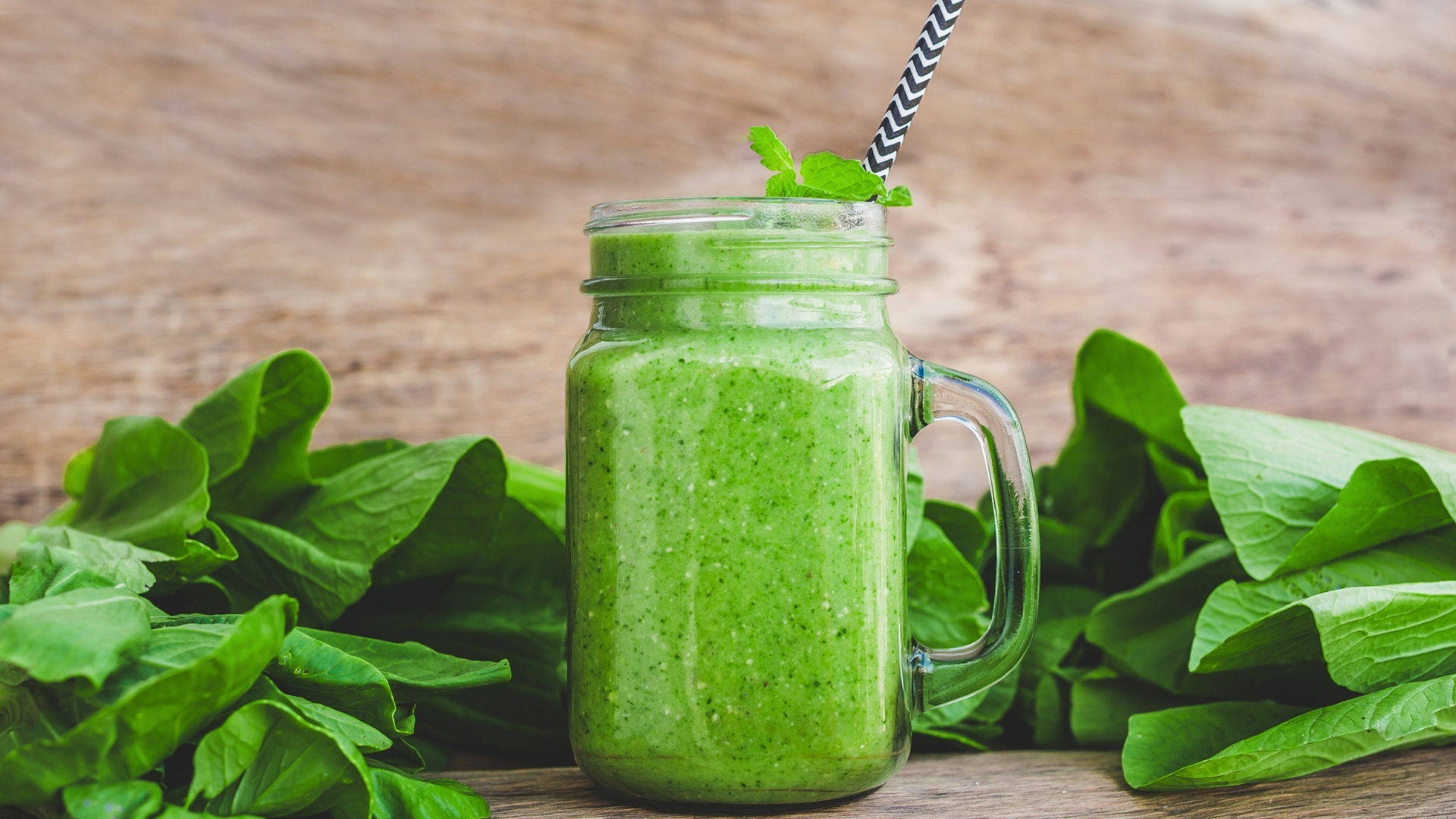
- Vegetables and fruits
- Whole grains
- Beans, lentils, and other legumes
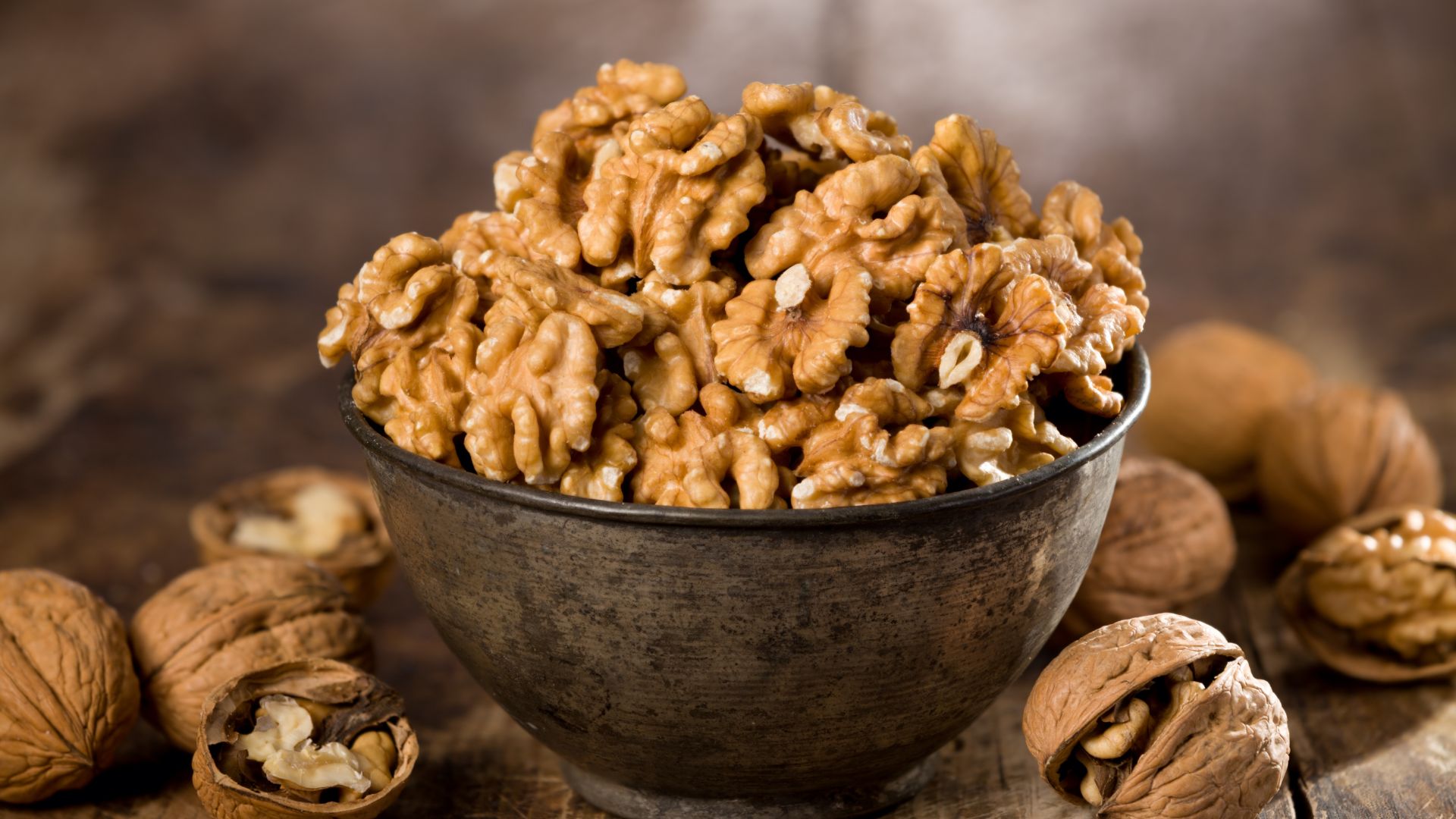
- Nuts and seeds
- Fish, eggs, lean meats, or other protein sources
- Low-fat or nutrient-rich dairy and alternatives
- Healthy sources of unsaturated fats
Try to limit highly processed foods that are high in added sugars, sodium, and unhealthy fats.
Why Protein Matters as You Age
Maintaining muscle becomes increasingly important with age. Including adequate protein in your diet, along with resistance exercise, can help support muscle maintenance.
Good protein choices include eggs, fish, poultry, dairy products, beans, lentils, soy foods, nuts, and seeds.
Stay Physically Active
Regular movement is one of the foundations of healthy aging. Exercise can support strength, balance, flexibility, cardiovascular health, and everyday independence.
A well-rounded fitness routine can include:
Aerobic activity: Walking, cycling, swimming, dancing, or other activities that increase your heart rate.
Strength training: Resistance exercises using weights, resistance bands, machines, or body weight.
Balance exercises: Activities that challenge stability and coordination.
Flexibility exercises: Stretching and mobility exercises that help maintain comfortable movement.
If you have been inactive, start gradually and choose activities that are appropriate for your fitness level.
Prioritize Quality Sleep
Sleep is an important part of an age-well lifestyle. Consistently getting enough quality sleep can support mood, concentration, energy, and overall health.
Helpful sleep habits include:
- Keeping a consistent sleep and wake schedule
- Creating a relaxing bedtime routine
- Keeping your bedroom comfortable, quiet, and dark
- Limiting caffeine late in the day
- Reducing screen exposure before bedtime
- Staying physically active during the day
If you regularly have trouble sleeping or experience significant daytime sleepiness, talk with a healthcare professional.
Keep Your Brain Active
Healthy aging also involves taking care of cognitive and emotional well-being. Keeping your mind engaged can make everyday life more interesting while encouraging lifelong learning.
Consider activities such as:
- Reading
- Learning a new language
- Playing an instrument
- Puzzles and games
- Writing or journaling
- Taking classes
- Learning new technology
- Developing creative hobbies
The goal isn't to constantly challenge yourself—it is to remain curious, engaged, and mentally active.
Maintain Strong Social Connections
Social connection is an often-overlooked part of healthy aging. Spending time with family, friends, neighbors, community groups, or other social networks can provide companionship and a sense of belonging.
Make social connection part of your routine by:
- Calling or visiting friends and family
- Joining a club or community group
- Participating in recreational activities
- Volunteering
- Taking part in classes or group exercise
- Pursuing hobbies with other people
Meaningful relationships can add purpose and enjoyment to everyday life.
Manage Stress in Healthy Ways
Stress is a normal part of life, but chronic stress can affect overall well-being. Developing healthy ways to manage everyday pressures can support emotional health.
Useful strategies may include:
- Deep breathing exercises
- Meditation or mindfulness
- Walking outdoors
- Spending time with loved ones
- Listening to music
- Practicing a hobby
- Maintaining a regular exercise routine
- Taking breaks during demanding days
There is no single stress-management technique that works for everyone. Experiment with different approaches and find what fits your lifestyle.
Protect Your Heart and Overall Health
Healthy aging includes paying attention to the factors that influence long-term health. Regular healthcare visits can help identify potential problems early and provide an opportunity to discuss lifestyle habits.
Depending on your age and individual circumstances, healthcare professionals may recommend monitoring things such as blood pressure, cholesterol, blood sugar, vision, hearing, and other aspects of health.
Preventive care should be personalized rather than based solely on age.
Avoid Tobacco and Make Responsible Choices About Alcohol
Avoiding tobacco is an important part of a healthy lifestyle at any age. If you smoke or use tobacco products, quitting can provide health benefits.
For alcohol, less is generally associated with lower health risk. People who don't drink do not need to start drinking for health reasons.
If you drink alcohol, discuss your individual circumstances with a healthcare professional, particularly if you take medications or have a medical condition.
Maintain Muscle, Mobility, and Independence
Being able to move comfortably and perform everyday tasks is an important part of aging well.
In addition to regular walking or other aerobic activity, include strength and balance exercises appropriate for your abilities. Simple movements such as sit-to-stand exercises, resistance-band exercises, and supported balance activities can be incorporated into many routines.
If you have pain, balance problems, or a medical condition that affects movement, seek professional advice before beginning a new exercise program.
Create an Age-Well Lifestyle You Can Maintain
The best healthy aging routine is one you can realistically follow for years.
Instead of trying to change everything at once, start with small goals. For example:
Week 1: Take a 20-minute walk most days.
Week 2: Add a serving of vegetables to one additional meal each day.
Week 3: Introduce two simple strength-training sessions.
Week 4: Establish a consistent bedtime routine.
Over time, these small changes can become normal parts of your daily life.
Healthy Aging Is About More Than Longevity
Living longer is only one aspect of aging well. A truly healthy aging lifestyle also focuses on maintaining independence, mobility, relationships, purpose, and enjoyment.
Your needs may change as you get older, so your lifestyle should change with you. What matters most is building sustainable habits that support your physical, mental, and social well-being.
Frequently Asked Questions About Healthy Aging
What is the best lifestyle for healthy aging?
A healthy aging lifestyle generally combines nutritious eating, regular physical activity, sufficient sleep, social connection, stress management, preventive healthcare, and avoidance of tobacco.
Can exercise help you age well?
Yes. Regular physical activity can support cardiovascular health, muscle strength, balance, mobility, and independence. A combination of aerobic, strength, balance, and flexibility activities can provide a well-rounded approach.
What foods are good for healthy aging?
A varied diet emphasizing vegetables, fruits, whole grains, legumes, nuts, seeds, and nutritious protein sources can help provide essential nutrients. Individual dietary needs vary, so personalized advice may be appropriate.
How can I keep my brain healthy as I age?
Staying physically active, maintaining social connections, getting adequate sleep, managing cardiovascular risk factors, and engaging in mentally stimulating and meaningful activities are all useful components of overall healthy aging.
What is the difference between aging and healthy aging?
Aging is a natural biological process. Healthy aging focuses on maintaining physical function, mental and emotional well-being, social connection, and independence as a person grows older.
You don't have to wait until retirement or old age to start aging well. Healthy aging begins with the habits you practice today.
Eat nourishing foods, move your body, protect your sleep, stay connected with others, keep learning, manage stress, and make preventive healthcare part of your routine. Most importantly, choose realistic habits that you can maintain over the long term.
Age well isn't about being perfect—it's about building a healthier, more active, and more fulfilling life at every stage.

References
- It's Never Too Late: Five Healthy Steps at Any Age
- Healthy Aging Tips for the Older Adults in Your Life
- Healthy Aging: 10 Habits That Support Long-Term Wellness
- Healthy Aging: Simple Habits That Support Long-Term Wellness
- Aging well: Daily habits that support health, independence, and joy
- Five healthy habits for successfully aging in our 60s and 70s — and beyond