Aging is a natural part of life, but getting older does not mean giving up your energy, independence, or quality of life. A healthy aging lifestyle focuses on habits that support physical health, mental well-being, mobility, and emotional resilience at every stage of adulthood.
The good news is that small, consistent lifestyle choices can make a meaningful difference. Eating nutritious foods, staying physically active, getting enough sleep, maintaining social connections, and managing stress can all contribute to aging well.
Table of Contents
What Is a Healthy Aging Lifestyle?
A healthy aging lifestyle is a balanced approach to maintaining your physical, mental, and social well-being as you age. Rather than focusing only on preventing illness, it emphasizes staying active, independent, mentally engaged, and connected with others.
Healthy aging is not about following a perfect routine. It is about building sustainable habits that fit your individual needs, abilities, and circumstances.
1. Eat a Nutrient-Rich Diet
Nutrition plays an important role in healthy aging. As people get older, nutrient needs can change, making the quality of food especially important.
Build meals around:
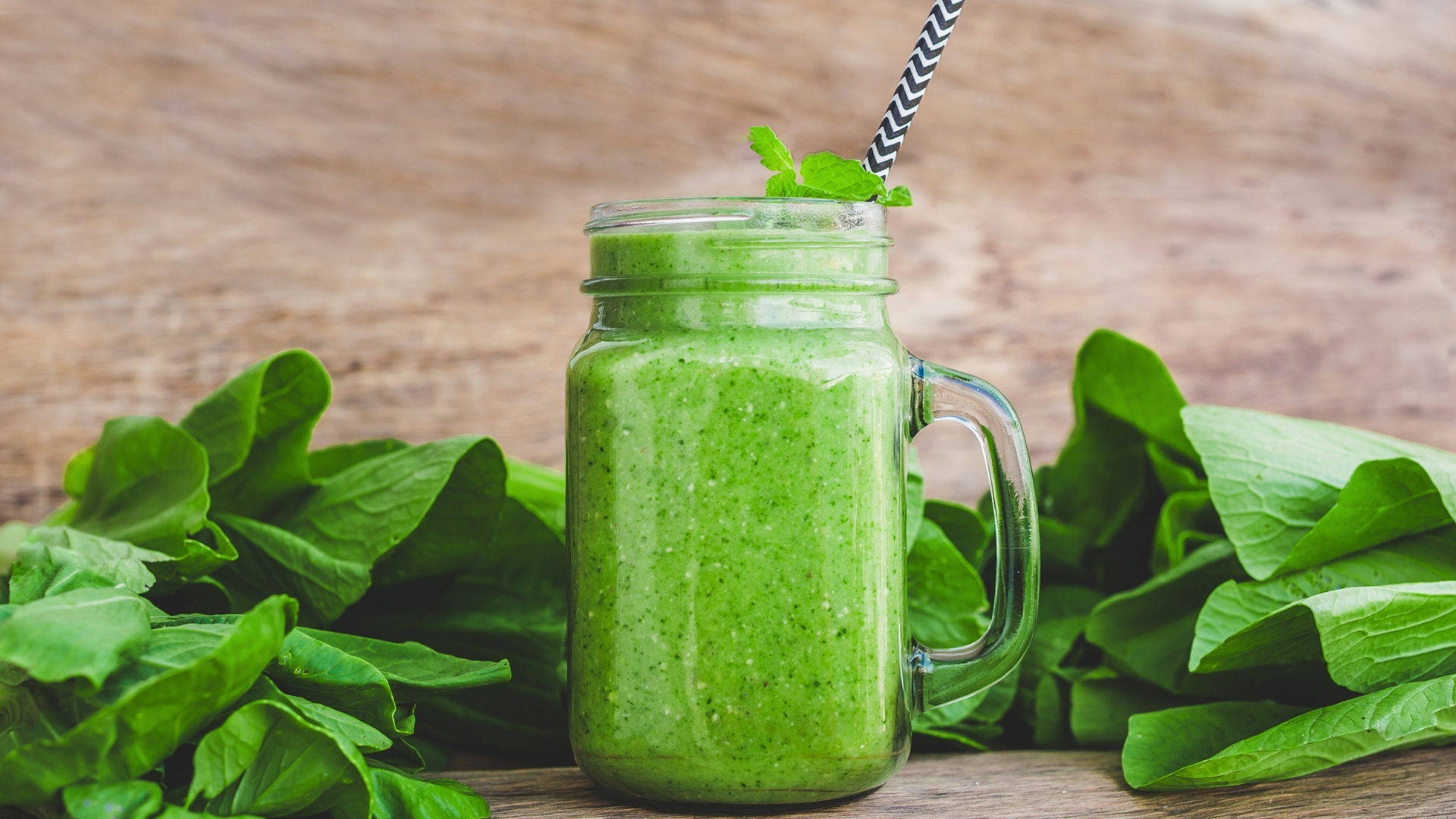
- Fruits and vegetables
- Whole grains
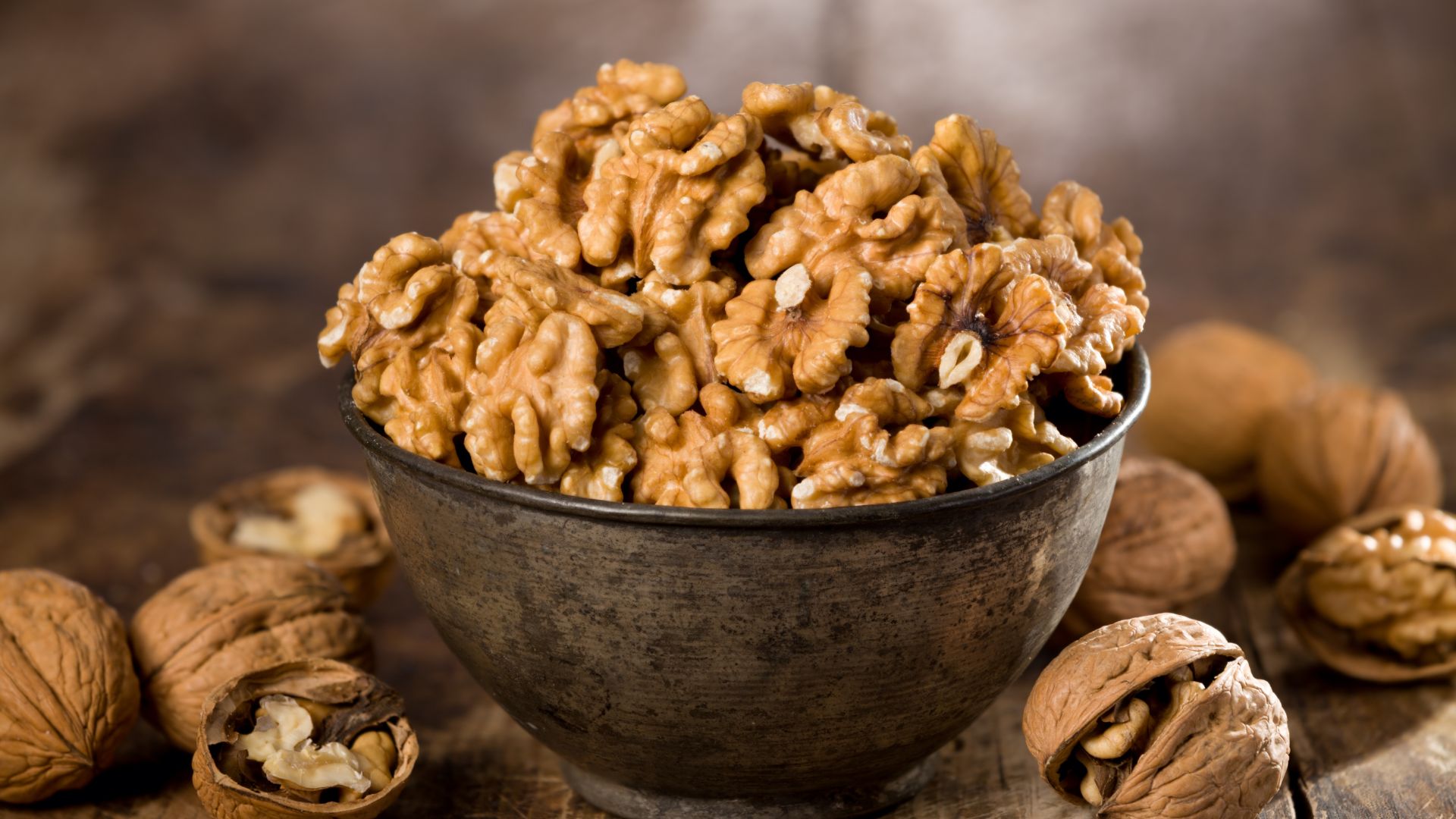
- Beans, lentils, nuts, and seeds
- Lean sources of protein
- Healthy fats
- Adequate fluids
Limiting highly processed foods and excessive added sugar and sodium can also support overall health.
A varied, balanced diet provides essential nutrients that help support muscles, bones, the immune system, and overall energy.
2. Stay Physically Active
Regular physical activity is one of the most valuable healthy aging habits. Exercise can help maintain strength, balance, flexibility, cardiovascular fitness, and independence.
A well-rounded routine may include:
- Walking or other aerobic activities
- Strength training
- Stretching and flexibility exercises
- Balance-focused activities
Choose activities you enjoy so that exercise becomes a regular part of your lifestyle rather than a short-term goal.
If you have existing health concerns or have been inactive for a long time, talk with a qualified healthcare professional about appropriate activities before starting a new exercise program.
3. Prioritize Quality Sleep
Good sleep supports both physical and mental well-being. Creating a consistent sleep schedule, maintaining a comfortable bedroom environment, and limiting stimulating activities before bedtime can encourage better sleep habits.
If you regularly experience difficulty sleeping, loud snoring, or persistent daytime fatigue, discuss these concerns with a healthcare professional.
4. Keep Your Mind Active
Healthy aging includes caring for your brain as well as your body. Learning new skills, reading, solving puzzles, pursuing hobbies, and engaging in meaningful conversations can keep your mind active.
Consider trying something new, such as learning a language, playing a musical instrument, taking a class, gardening, or developing a creative hobby.
Mental stimulation is most enjoyable when it is connected to genuine curiosity and purpose.
5. Maintain Strong Social Connections
Social well-being is an important part of aging well. Spending time with family, friends, neighbors, community groups, or volunteer organizations can provide companionship and a sense of belonging.
Make social connection a regular habit. A simple phone call, shared meal, walk with a friend, or community activity can help reduce isolation and bring more enjoyment to everyday life.
6. Manage Stress Effectively
Chronic stress can affect both emotional and physical well-being. Healthy stress-management strategies can include:
- Meditation or mindfulness
- Deep breathing
- Walking outdoors
- Yoga or gentle movement
- Spending time with loved ones
- Enjoying hobbies
- Maintaining a realistic daily routine
There is no single best relaxation technique. Experiment with different approaches and find what works for you.
7. Protect Bone and Muscle Health
Maintaining muscle strength and bone health becomes increasingly important with age. Regular strength and weight-bearing activities, along with adequate nutrition, can support mobility and physical independence.
Balance exercises are also valuable because maintaining good balance can help reduce the risk of falls.
8. Keep Up With Preventive Healthcare
Healthy aging is not only about lifestyle habits. Regular healthcare visits and recommended screenings can help identify potential problems early.
Depending on your age, personal health history, and risk factors, preventive care may include monitoring blood pressure, cholesterol, blood sugar, vision, hearing, dental health, and other areas.
Follow the recommendations of your healthcare professional for screenings, vaccinations, and routine checkups.
9. Avoid Smoking and Limit Alcohol
Avoiding tobacco is one of the most important steps you can take for long-term health. If you smoke, quitting can provide health benefits at any age.
Alcohol can also affect health, medications, sleep, and fall risk. If you drink, discuss what level is appropriate for you with your healthcare professional, particularly if you take medications or have chronic health conditions.
10. Create a Sustainable Daily Routine
Healthy aging does not require a complicated lifestyle plan. A simple daily routine can make healthy choices easier to maintain.
For example:
Morning: Eat a nutritious breakfast, hydrate, and take a walk.
Afternoon: Stay active, eat a balanced meal, and spend time on a hobby or social activity.
Evening: Have a relaxing meal, reduce screen stimulation, and follow a consistent bedtime routine.
The goal is consistency rather than perfection.
Benefits of a Healthy Aging Lifestyle
Adopting healthy habits may help support:
- Better mobility and physical function
- Greater independence
- Cardiovascular health
- Stronger muscles and bones
- Better sleep
- Mental and emotional well-being
- Social connection
- Overall quality of life
Individual results vary, and lifestyle habits cannot prevent every age-related health condition. However, taking care of your body and mind can support healthier aging and help you remain engaged in the activities that matter to you.
Healthy Aging Starts With Small Steps
You do not need to change everything at once. Start with one or two realistic habits and gradually build from there.
Take a daily walk. Add more vegetables to your meals. Set a consistent bedtime. Call a friend. Try a new hobby. Schedule a preventive health appointment.
These small actions can become lasting habits that support a healthier and more active life.
A healthy aging lifestyle is about more than adding years to life—it is about supporting health, independence, purpose, and quality of life as the years go by. A nutritious diet, regular movement, quality sleep, mental stimulation, meaningful relationships, stress management, and preventive healthcare can all contribute to aging well.
The best time to start building healthier habits is today. Even small, sustainable changes can become an important foundation for a healthier future.
Disclaimer: This article is for general educational purposes and is not a substitute for personalized medical advice. Consult a qualified healthcare professional for recommendations based on your individual health needs.

References