Menstrual health is an important part of a woman’s overall well-being. Many women experience discomfort, cramps, mood swings, and fatigue during their cycle. While medicines are available, natural methods can help support the body safely and effectively without side effects.
Table of Contents
Maintain a Balanced Diet
What you eat directly affects your menstrual health. A nutrient-rich diet can reduce cramps and improve energy levels.
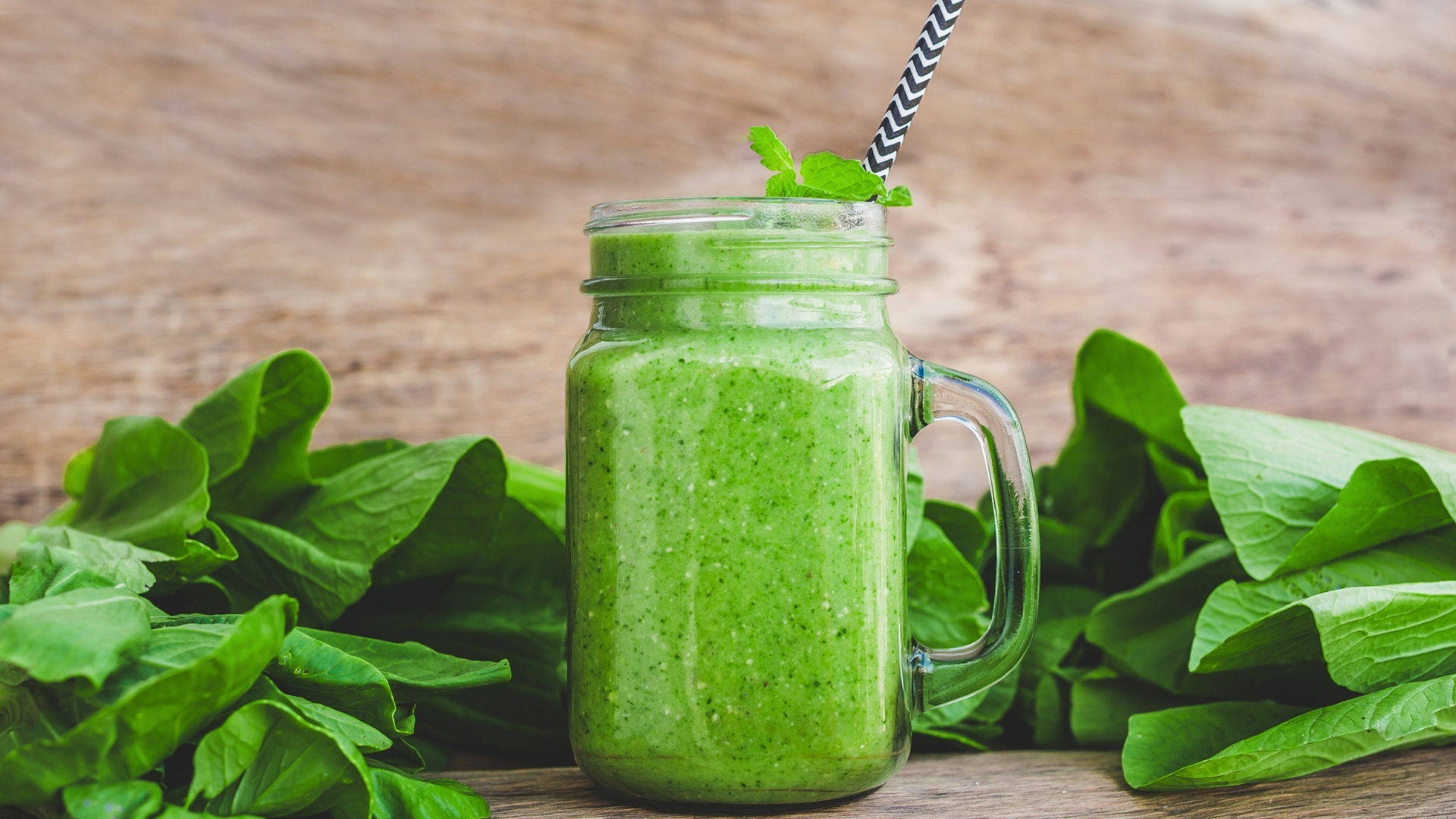
- Include iron-rich foods like spinach, beetroot, and lentils
- Eat magnesium-rich foods such as bananas, nuts, and seeds
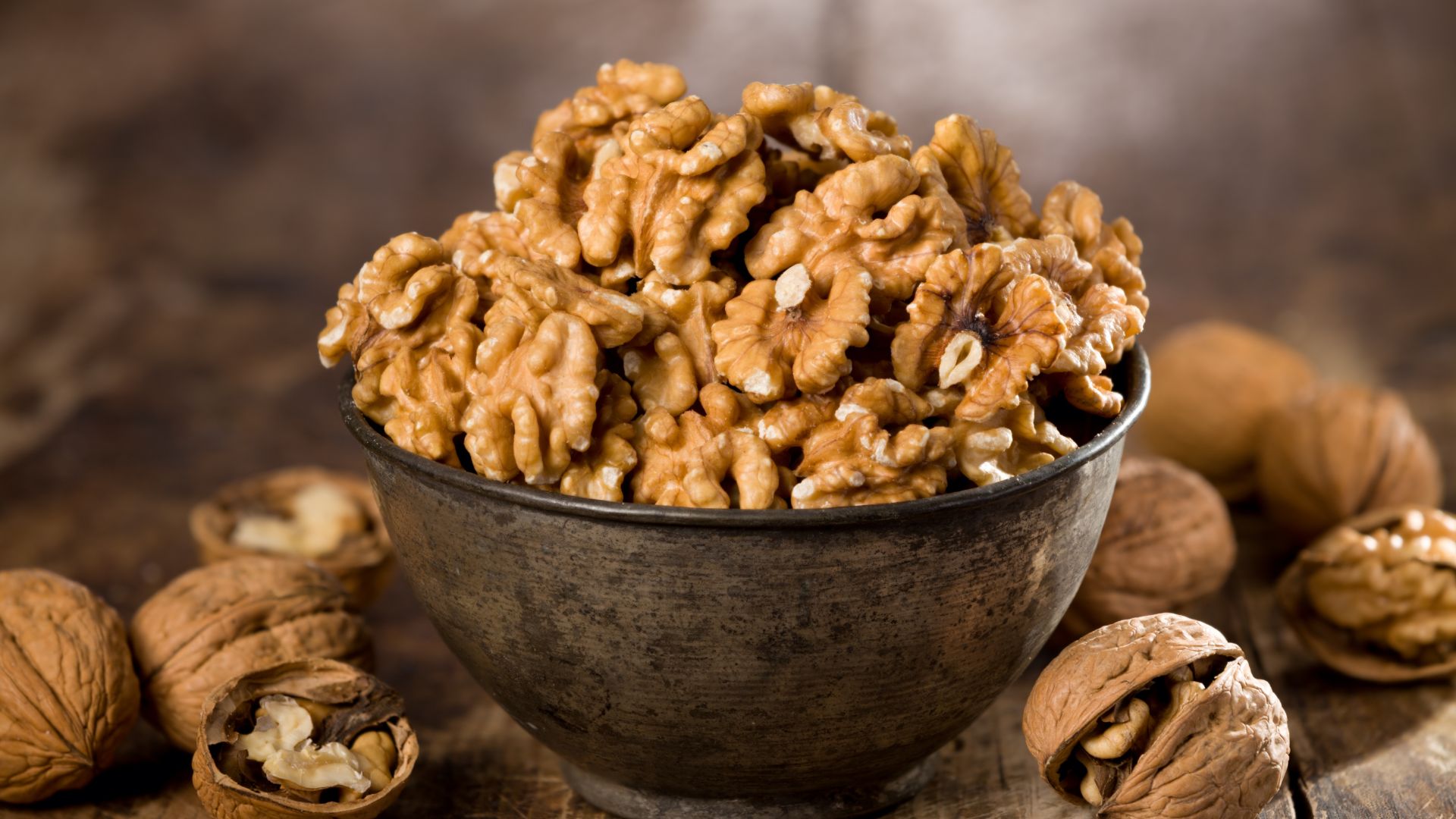
- Add omega-3 fatty acids from flaxseeds and walnuts
- Avoid excessive caffeine, salt, and processed foods
Stay Hydrated
Proper hydration helps reduce bloating and supports hormonal balance.
- Drink at least 8–10 glasses of water daily
- Add lemon or cucumber for detox support
- Herbal teas like chamomile or ginger tea can help reduce cramps
Exercise Regularly
Light physical activity improves blood circulation and reduces period pain.
- Practice yoga (child’s pose, cobra pose, and cat-cow stretch)
- Go for light walking or stretching
- Avoid heavy workouts during intense pain days
Use Herbal Remedies
Natural herbs have been used for centuries to support menstrual health.
- Ginger helps reduce inflammation and cramps
- Turmeric supports hormonal balance
- Cinnamon may help regulate heavy bleeding
- Fennel seeds can reduce bloating and discomfort
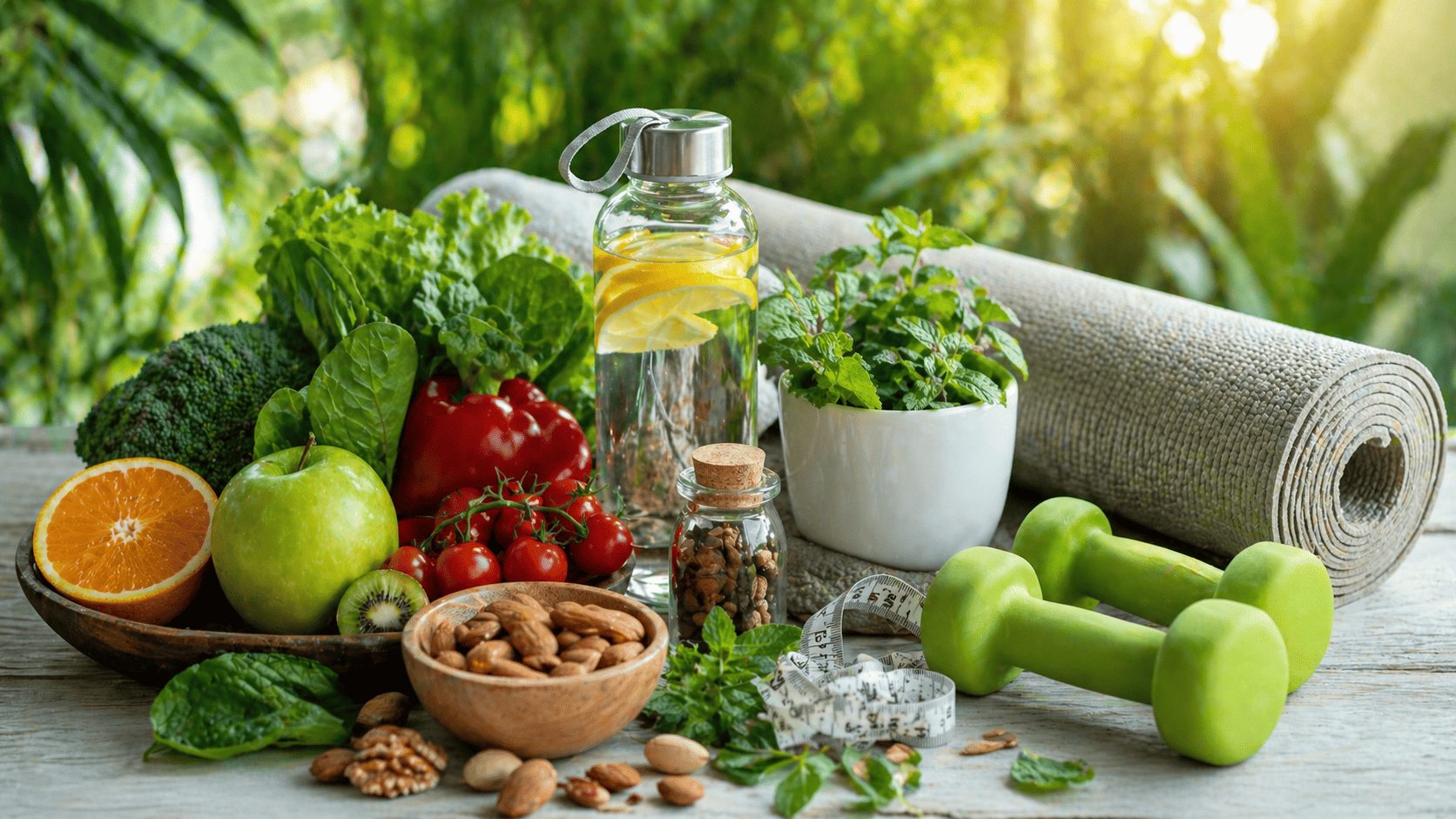
Stress can disturb hormonal balance and worsen menstrual symptoms. Good menstrual hygiene is essential for preventing infections and discomfort. Heat is a simple and effective way to relieve menstrual cramps. Natural menstrual health care focuses on balance—healthy food, proper hydration, gentle exercise, and stress management. These simple lifestyle changes can significantly improve comfort and overall cycle health without relying heavily on medication.
Maintain Proper Hygiene
Apply Heat Therapy

References