If you often feel uncomfortably full at night or struggle with sudden cravings after dinner, you’re not alone. Bloating and nighttime cravings are two of the most common digestive and lifestyle complaints—and they’re often connected. The good news is that small, consistent habits can make a noticeable difference.
In this guide, you’ll learn practical, natural ways to help reduce bloating and control nighttime cravings without extreme diets or complicated routines.
Table of Contents
What causes bloating and nighttime cravings?
Before fixing the issue, it helps to understand what’s behind it.
Common causes of bloating:
- Eating too quickly and swallowing excess air
- High-sodium or processed foods
- Carbonated drinks
- Food intolerances (like dairy or gluten sensitivity)
- Poor digestion or gut imbalance
Common causes of nighttime cravings:
- Not eating enough during the day
- Blood sugar fluctuations
- Emotional eating or stress
- Habitual late-night snacking
- Poor sleep affecting hunger hormones
When your digestion is slow and your energy is low at night, cravings often feel stronger.
Use warm herbal drinks after dinner
One of the simplest habits to support digestion is sipping a warm, non-caffeinated drink after dinner.
Helpful options include:
- Ginger tea (supports digestion and reduces gas)
- Peppermint tea (helps relax the digestive tract)
- Chamomile tea (calms stress-related cravings)
- Fennel tea (traditionally used for bloating relief)
Warm liquids help the stomach process food more smoothly and can reduce the urge to snack later.
Eat balanced dinners to prevent cravings
A poorly balanced dinner is one of the biggest triggers for nighttime cravings.
To stay satisfied longer:
- Include protein (chicken, fish, tofu, eggs)
- Add fiber (vegetables, whole grains)
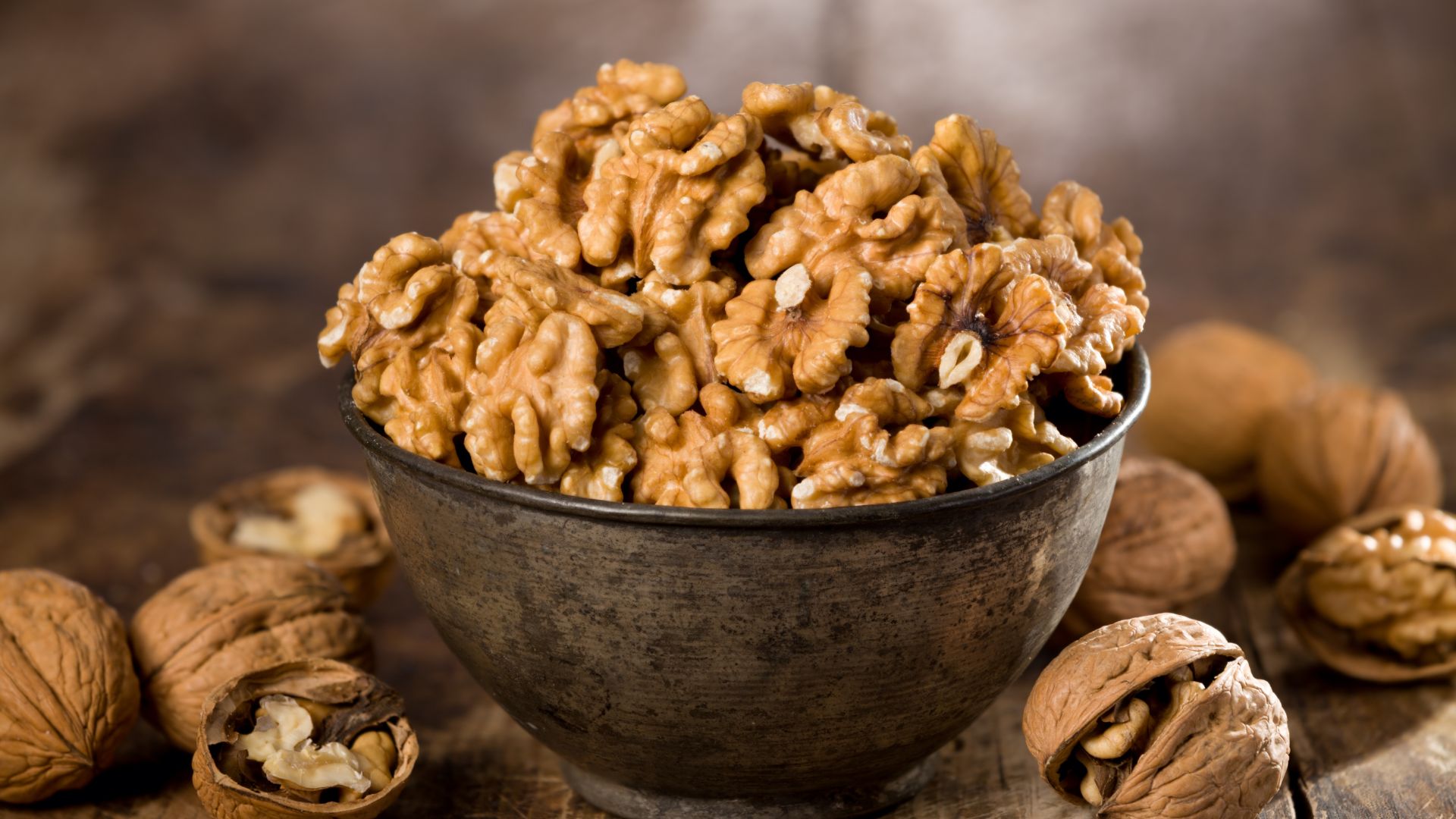
- Include healthy fats (olive oil, avocado, nuts)
Avoid very light or sugar-heavy dinners, which can lead to hunger spikes later in the evening.
Take a short walk after eating
A gentle 10–15 minute walk after dinner can:
- Improve digestion
- Reduce bloating and gas buildup
- Help regulate blood sugar levels
- Lower the likelihood of late-night cravings
It doesn’t need to be intense—consistency matters more than speed.
Stay hydrated throughout the day
Dehydration is often mistaken for hunger.
To prevent this:
- Drink water steadily during the day
- Have a glass of water before reaching for snacks
- Limit sugary or carbonated drinks in the evening
Proper hydration supports digestion and reduces unnecessary cravings.
Improve sleep quality
Poor sleep disrupts hunger hormones like ghrelin and leptin, which can increase cravings at night.
Better sleep habits include:
- Going to bed at consistent times
- Reducing screen exposure before bed
- Creating a calm nighttime routine
- Avoiding heavy meals right before sleep
When your sleep improves, your cravings often naturally decrease.
Manage stress to control emotional eating
Stress is a major driver of nighttime snacking.
Try:
- Deep breathing exercises
- Light stretching or yoga
- Journaling before bed
- Relaxing herbal tea routines
When stress levels drop, the urge to eat for comfort often decreases.
Avoid common nighttime triggers
Some habits quietly increase bloating and cravings:
- Eating late at night out of boredom
- Snacking while watching TV
- Consuming sugary desserts after dinner
- Skipping meals earlier in the day
Awareness is the first step to breaking these patterns.
Final thoughts
Reducing bloating and nighttime cravings is not about strict dieting—it’s about supporting your digestion, balancing your meals, and improving daily habits.
When you consistently:
- Eat balanced meals
- Stay hydrated
- Support digestion after dinner
- And sleep well
you naturally experience fewer cravings and a lighter, more comfortable feeling at night.

References