In brief
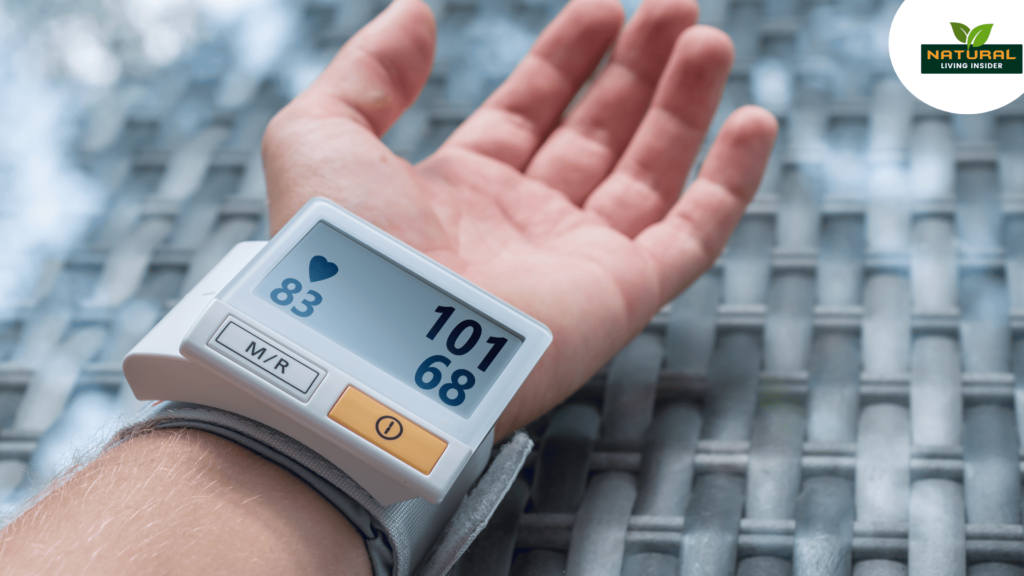
Low blood pressure, also known as hypotension, can cause dizziness, fainting, fatigue, and even shock in severe cases. While high blood pressure gets a lot of attention, low blood pressure can also be dangerous if not managed properly. Fortunately, there are natural…
Low blood pressure, also known as hypotension, can cause dizziness, fainting, fatigue, and even shock in severe cases. While high blood pressure gets a lot of attention, low blood pressure can also be dangerous if not managed properly. Fortunately, there are natural ways to stabilize your blood pressure and prevent sudden drops.
Table of Contents
1. Increase Your Salt Intake (In Moderation)
Unlike people with hypertension, those with low blood pressure may benefit from increasing sodium intake. Salt helps retain fluids, which can boost blood volume and raise blood pressure levels. However, consult a doctor before significantly increasing salt intake, as excessive sodium can lead to other health issues.
Best sources of natural sodium:
- Himalayan pink salt
- Sea salt
- Salted nuts and seeds
- Pickled vegetables
2. Stay Hydrated
Dehydration reduces blood volume, leading to low blood pressure symptoms such as dizziness and weakness. Drinking plenty of water throughout the day helps maintain circulation and supports healthy blood pressure levels.
Hydrating options:
- Coconut water (rich in electrolytes)
- Herbal teas (ginger or licorice tea)
- Fresh fruit juices (without added sugar)
3. Eat Small, Frequent Meals
Eating large meals can sometimes cause a sudden drop in blood pressure, especially in people with postprandial hypotension. Smaller, balanced meals help regulate blood sugar levels and prevent dips in blood pressure.
Best foods for stable blood pressure:
- Lean proteins (chicken, fish, tofu)
- Complex carbohydrates (quinoa, brown rice, oats)
- Healthy fats (avocado, nuts, olive oil)
4. Wear Compression Stockings
Compression stockings help prevent blood from pooling in the legs, which can cause a drop in blood pressure. These are especially helpful for individuals who experience orthostatic hypotension, a form of low blood pressure that occurs when standing up.
5. Drink Caffeinated Beverages
Caffeine in coffee and tea temporarily raises blood pressure by stimulating the heart and blood vessels. However, caffeine should be consumed in moderation to avoid dehydration and energy crashes.
Best caffeinated options:
- Black coffee
- Green tea
- Matcha tea
6. Increase Vitamin B12 and Iron Intake
A deficiency in vitamin B12 or iron can lead to anemia, which reduces red blood cell production and contributes to low blood pressure. Eating iron-rich and B12-rich foods can improve circulation and prevent dizziness.
Top sources of B12 and iron:
- Leafy greens (spinach, kale)
- Red meat and poultry
- Eggs and dairy
- Fortified cereals
When to Seek Medical Help
If you frequently experience symptoms of low blood pressure such as fainting, confusion, or severe dizziness, consult a doctor. Chronic hypotension can be a sign of underlying health conditions that require medical attention.
Final Thoughts
Managing low blood pressure naturally involves simple lifestyle changes, including a balanced diet, proper hydration, and regular monitoring. Low blood pressure treatment at home can also be achieved by incorporating these natural remedies, as they help maintain healthy blood circulation and prevent sudden drops in blood pressure levels.

Make this guide useful
How to put 6 Natural Ways to Raise Your Blood Pressure When It’s Too Low into practice
Use this article as a focused starting point for exploring Health. Read the ideas in the context of your own routine, priorities and available resources; the most useful change is usually the one you can return to consistently.
Start with one clear intention
Before trying everything at once, decide what you want this guide to help with. Write down one small, realistic action connected to “6 Natural Ways to Raise Your Blood Pressure When It’s Too Low”, choose when you will try it, and notice what makes it easier or harder to continue.
Use a simple check-in
Give yourself enough time to observe rather than judge. A short note about what you tried, how it fitted into your day and what you would adjust next time can turn general advice into a routine that feels personal and sustainable.
Questions to take with you
- Which part of Health feels most relevant to my current routine?
- What is the smallest version of this idea I could try this week?
- What would help me keep the change practical, enjoyable and consistent?
Wellness information is for general education and is not a substitute for personalised medical advice. If you have symptoms, a diagnosis, take medication, are pregnant or have a health concern, speak with a qualified healthcare professional before making significant changes.
Further reading