In brief
There is no universally “best” time to eat dry fruits for weight loss. What matters more is the overall pattern: portion size, how often you eat them, the type you choose and whether they fit your usual meals and energy needs. Dry…
There is no universally “best” time to eat dry fruits for weight loss. What matters more is the overall pattern: portion size, how often you eat them, the type you choose and whether they fit your usual meals and energy needs. Dry fruits can be convenient and satisfying, but they are energy-dense, so it is easy to eat more than intended when snacking from a large packet.
Choose the right kind of dry fruit
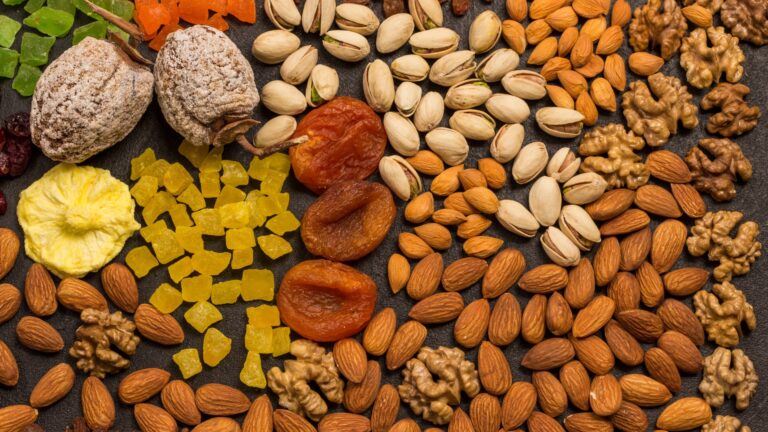
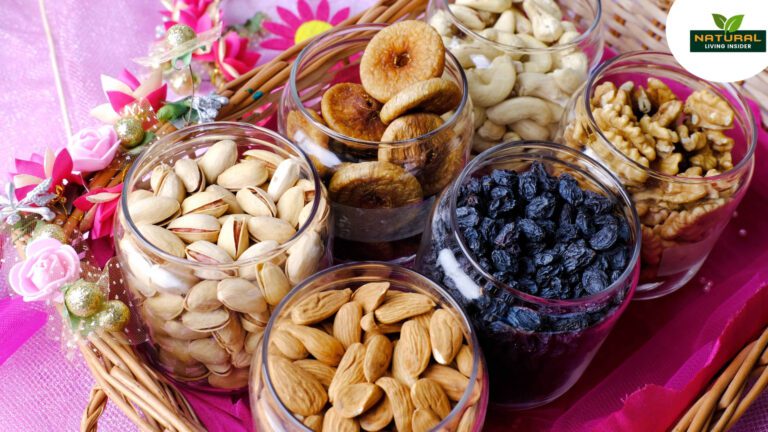
Read the label before buying. Many dried fruits contain added sugar, sweet coatings or syrups. Plain dried fruit can be part of a balanced diet, while sweetened products are better treated as an occasional choice. Nuts are often grouped with dry fruits in everyday language; they provide protein and fats, while dried fruit is mainly a source of carbohydrate and fibre. Both can fit into meals in modest portions.
Good times to include them
Use dry fruits when they solve a practical problem: a planned mid-morning or afternoon snack, a topping for unsweetened yoghurt or oats, or part of a meal that also includes protein and fibre. Combining a small portion of dried fruit with nuts, yoghurt or a meal can feel more satisfying than eating it alone. There is no need to force yourself to eat it late at night or on an empty stomach if that does not suit you.
Keep portions visible
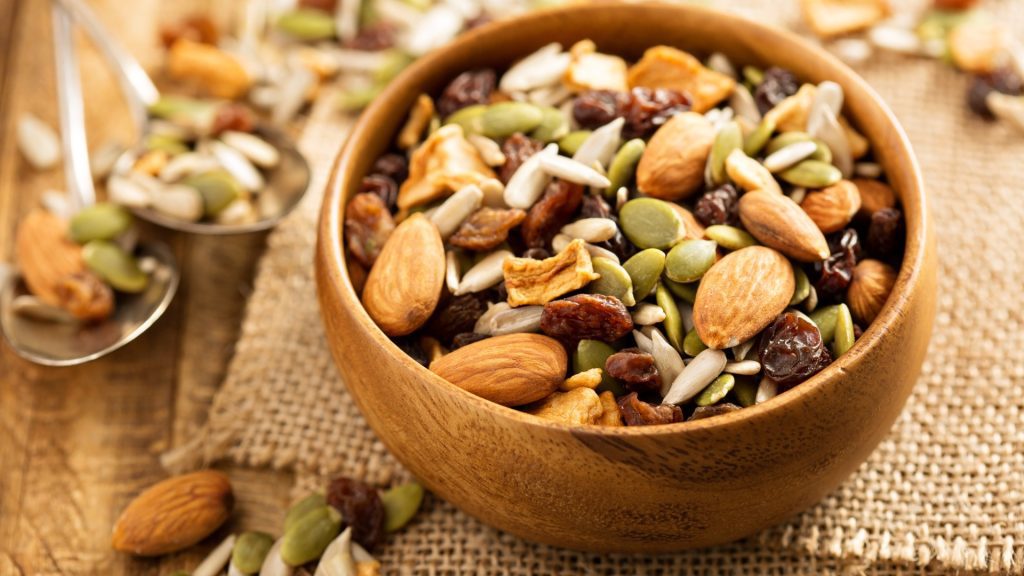
Try serving a small amount in a bowl instead of eating directly from the packet. Add chopped dates, raisins or dried apricots to porridge, salads or home-made trail mix rather than making them the whole snack. If you track food for weight-management reasons, include the portion honestly—“healthy” does not mean unlimited.
Build the wider routine
Weight management does not depend on one food or one eating time. The CDC recommends an eating pattern built around vegetables, fruits, whole grains, protein foods and healthier fats while staying within your individual energy needs. Regular movement, sleep, stress support and a routine you can maintain are also important.
When individual advice matters
People with diabetes, kidney disease, digestive conditions, food allergies or a history of disordered eating may need personalised guidance. If weight changes quickly, feels difficult to manage or is affecting your health, speak with a doctor or registered dietitian rather than relying on restrictive online plans.
For practical healthy-eating guidance, see the CDC’s tips for healthy eating and healthy weight.

Make this guide useful
How to put Best time to eat dry fruits for weight loss into practice
Use this article as a focused starting point for exploring Dry Fruits. Read the ideas in the context of your own routine, priorities and available resources; the most useful change is usually the one you can return to consistently.
Start with one clear intention
Before trying everything at once, decide what you want this guide to help with. Write down one small, realistic action connected to “Best time to eat dry fruits for weight loss”, choose when you will try it, and notice what makes it easier or harder to continue.
Use a simple check-in
Give yourself enough time to observe rather than judge. A short note about what you tried, how it fitted into your day and what you would adjust next time can turn general advice into a routine that feels personal and sustainable.
Questions to take with you
- Which part of Dry Fruits feels most relevant to my current routine?
- What is the smallest version of this idea I could try this week?
- What would help me keep the change practical, enjoyable and consistent?
Wellness information is for general education and is not a substitute for personalised medical advice. If you have symptoms, a diagnosis, take medication, are pregnant or have a health concern, speak with a qualified healthcare professional before making significant changes.