In brief
Black pepper, known as the ‘King of Spices,’ is a popular ingredient that not only enhances flavor but also offers numerous health benefits. Packed with antioxidants and essential nutrients, it supports digestion, immunity, and overall wellness. Table of Contents Overview of Black…
Black pepper, known as the ‘King of Spices,’ is a popular ingredient that not only enhances flavor but also offers numerous health benefits. Packed with antioxidants and essential nutrients, it supports digestion, immunity, and overall wellness.
Table of Contents
Overview of Black Pepper
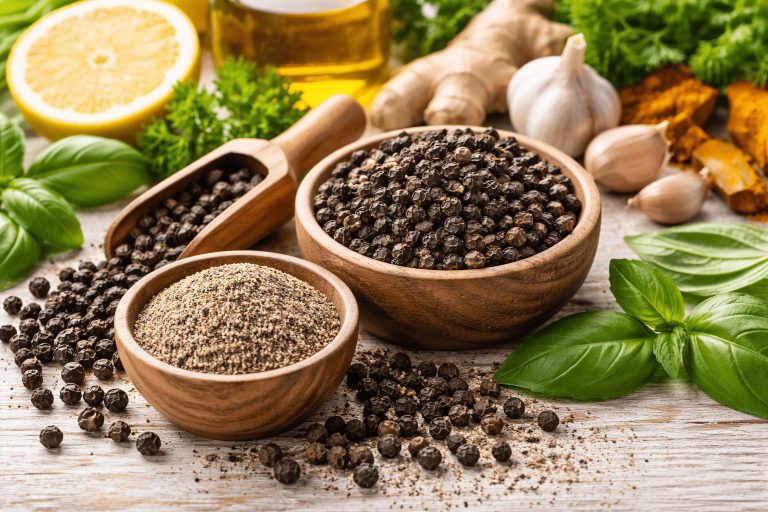
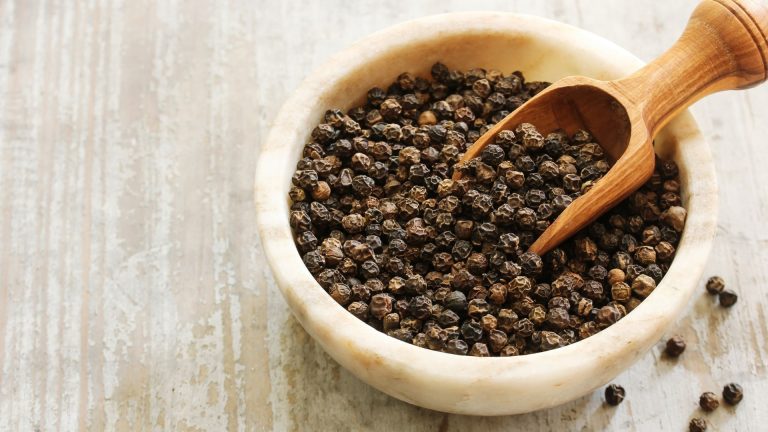
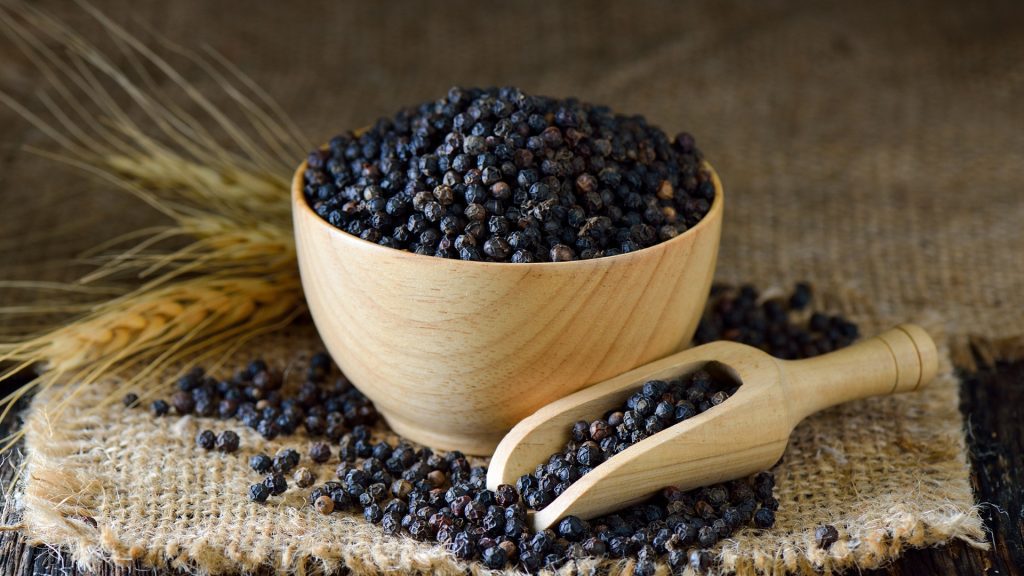
Black pepper, often called the “King of Spices,” is a common spice used worldwide. Derived from the dried fruit of the Piper nigrum plant, it is known for its pungent flavor and aroma. Besides its culinary uses, black pepper has been valued for its medicinal properties for centuries. It is available in various forms, including whole peppercorns, ground powder, and extracts.
Nutritional Profile
Black pepper is low in calories but rich in essential nutrients. One teaspoon (2 grams) typically contains:
-
Calories: 5
-
Carbohydrates: 1.3 g
-
Fiber: 0.5 g
-
Vitamin K: 0.2 mcg
-
Iron: 0.2 mg
It also contains antioxidants, such as piperine, which contribute to its health-promoting effects.
Health Benefits
a. Improves Digestion: Piperine stimulates digestive enzymes, aiding nutrient absorption.
b. Boosts Immunity: Its antibacterial properties help fight infections.
c. Anti-inflammatory Effects: Piperine may reduce inflammation and pain.
d. Enhances Nutrient Absorption: Black pepper can increase the bioavailability of certain nutrients like turmeric’s curcumin.
e. Supports Weight Management: It may help in fat metabolism and appetite control.
Uses of Black Pepper
-
Culinary: Adds flavor to savory and sweet dishes, soups, sauces, and marinades.
-
Traditional Medicine: Used in Ayurveda for respiratory and digestive health.
-
Home Remedies: Helps relieve colds, coughs, and bloating when combined with warm water or tea.
-
Preservation: Its antibacterial properties make it useful in food preservation.
Side Effects & Precautions
While black pepper is generally safe, excessive consumption may cause:
-
Heartburn or gastrointestinal irritation
-
Allergic reactions in sensitive individuals
-
Interference with certain medications due to piperine
It is recommended to consume black pepper in moderation as part of a balanced diet.
Black pepper is more than just a spice—it is a powerful ingredient with multiple health benefits, essential nutrients, and versatile uses. Including it in your daily diet can enhance both flavor and wellness naturally.

Make this guide useful
How to put Black Pepper: Health Benefits, Nutrition, and Uses into practice
Use this article as a focused starting point for exploring Black Pepper. Read the ideas in the context of your own routine, priorities and available resources; the most useful change is usually the one you can return to consistently.
Start with one clear intention
Before trying everything at once, decide what you want this guide to help with. Write down one small, realistic action connected to “Black Pepper: Health Benefits, Nutrition, and Uses”, choose when you will try it, and notice what makes it easier or harder to continue.
Use a simple check-in
Give yourself enough time to observe rather than judge. A short note about what you tried, how it fitted into your day and what you would adjust next time can turn general advice into a routine that feels personal and sustainable.
Questions to take with you
- Which part of Black Pepper feels most relevant to my current routine?
- What is the smallest version of this idea I could try this week?
- What would help me keep the change practical, enjoyable and consistent?
Further reading