In brief
Unlock the powerful health benefits of seeds like chia, flax, pumpkin, and sunflower. Learn how these nutrient-packed superfoods can boost energy, support digestion, improve heart health, and enhance your overall well-being. Seeds are nutrient-dense powerhouses that offer a variety of health benefits.…
Unlock the powerful health benefits of seeds like chia, flax, pumpkin, and sunflower. Learn how these nutrient-packed superfoods can boost energy, support digestion, improve heart health, and enhance your overall well-being. Seeds are nutrient-dense powerhouses that offer a variety of health benefits. Here are some common types of seeds and their associated benefits:
Table of Contents
-
Chia Seeds
Role: Rich in omega-3 fatty acids, fiber, protein, and antioxidants. They can help improve heart health, support digestion, and provide a sustained energy boost.
-
Flaxseeds
Role: High in omega-3 fatty acids, lignans, and fiber. Flaxseeds may help lower cholesterol, regulate blood sugar levels, and promote digestive health.
-
Sunflower Seeds
Role: A good source of vitamin E, magnesium, and selenium. Sunflower seeds support heart health, help reduce inflammation, and contribute to skin health.
-
Pumpkin Seeds (Pepitas)
Role: High in magnesium, iron, zinc, and antioxidants. Pumpkin seeds can support immune function, improve heart health, and promote better sleep.
-
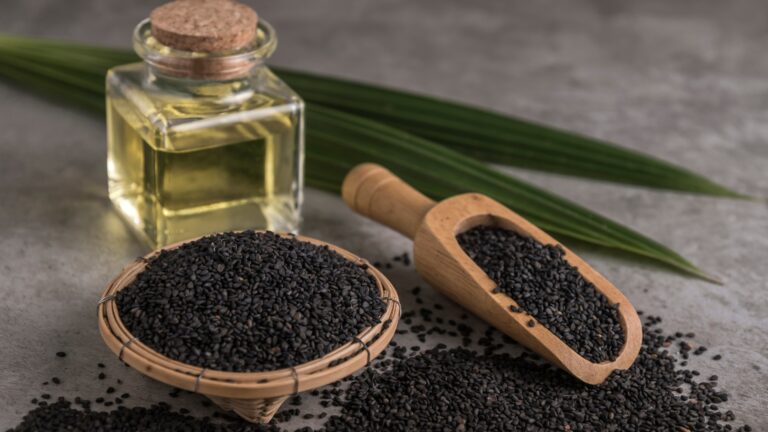
Sesame Seeds
Role: Rich in healthy fats, lignans, and minerals like calcium and iron. Sesame seeds may contribute to bone health, support heart health, and provide antioxidant benefits.
-
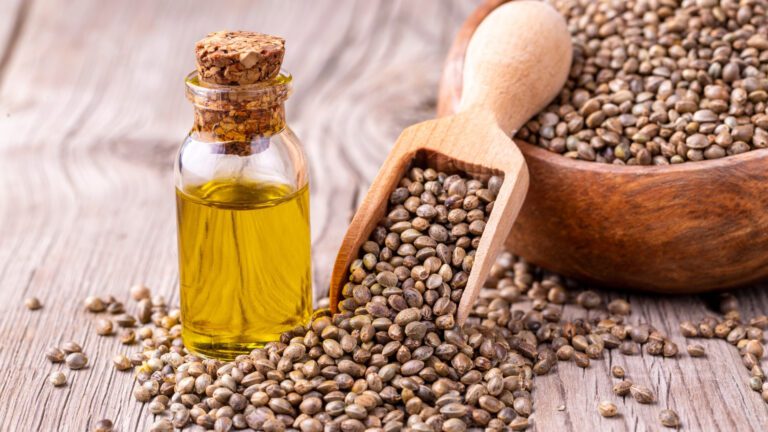
Hemp Seeds
Role: A complete protein source, rich in omega-3 and omega-6 fatty acids. Hemp seeds support heart health, provide anti-inflammatory effects, and offer a good balance of essential amino acids.
-
Poppy Seeds
Role: Contain B-complex vitamins, minerals like calcium and iron, and dietary fiber. Poppy seeds may contribute to bone health and support digestive function.
-
Quinoa Seeds
Role: Technically a pseudocereal, quinoa is rich in protein, fiber, and various vitamins and minerals. It is a complete protein source and can contribute to weight management and muscle building.
-
Safflower Seeds
Role: High in monounsaturated fats and vitamin E. Safflower oil extracted from the seeds may help lower cholesterol levels and promote heart health.
-
Pomegranate Seeds
Role: Packed with antioxidants, vitamins, and fiber. Pomegranate seeds can support heart health, reduce inflammation, and contribute to overall well-being.
-
Amaranth Seeds
Role: A good source of protein, fiber, and micronutrients like manganese and magnesium. Amaranth may contribute to heart health and provide sustained energy.
-
Cumin Seeds
Role: Rich in antioxidants, iron, and manganese. Cumin seeds may aid digestion, support immune function, and have anti-inflammatory properties.
Small in size but mighty in nutrition, seeds like chia, flax, pumpkin, and sunflower offer a powerful boost to your overall health. Whether you're looking to improve digestion, support heart health, enhance skin, or increase energy, adding a variety of seeds to your daily routine is a simple yet effective way to fuel your body naturally. Embrace these nutrient-dense superfoods as part of a balanced diet and let nature’s tiny treasures make a big difference in your well-being.

Make this guide useful
How to put Discovering the Benefits of Different Seeds into practice
Use this article as a focused starting point for exploring Seeds. Read the ideas in the context of your own routine, priorities and available resources; the most useful change is usually the one you can return to consistently.
Start with one clear intention
Before trying everything at once, decide what you want this guide to help with. Write down one small, realistic action connected to “Discovering the Benefits of Different Seeds”, choose when you will try it, and notice what makes it easier or harder to continue.
Use a simple check-in
Give yourself enough time to observe rather than judge. A short note about what you tried, how it fitted into your day and what you would adjust next time can turn general advice into a routine that feels personal and sustainable.
Questions to take with you
- Which part of Seeds feels most relevant to my current routine?
- What is the smallest version of this idea I could try this week?
- What would help me keep the change practical, enjoyable and consistent?
Further reading