In brief
Herbal remedies have been used for centuries to support overall health and address everyday concerns. From boosting immunity to easing stress, natural herbs offer gentle, effective solutions that work in harmony with the body. Below, we explore some of the most trusted…
Herbal remedies have been used for centuries to support overall health and address everyday concerns. From boosting immunity to easing stress, natural herbs offer gentle, effective solutions that work in harmony with the body. Below, we explore some of the most trusted herbal remedies and how they can help you maintain better well-being.
Table of Contents
- What Are Herbal Remedies?
- Benefits of Using Herbal Remedies
- Common Issues and Effective Herbal Remedies
- Herbal Remedies for Stress and Anxiety
- Herbal Remedies for Digestive Issues
- Herbal Remedies for Colds and Immunity
- Herbal Remedies for Pain and Inflammation
- Herbal Remedies for Skin Issues
- How to Use Herbal Remedies Safely
What Are Herbal Remedies?
Herbal remedies are plant-based treatments derived from leaves, roots, flowers, seeds, and bark. They contain natural compounds that support the body’s healing processes. Unlike synthetic medications, herbal remedies typically work gradually and often come with fewer side effects.
Benefits of Using Herbal Remedies
-
Natural and safe alternatives to over-the-counter medications
-
Fewer side effects when used properly
-
Rich in antioxidants, vitamins, and minerals
-
Support holistic health by connecting mind, body, and lifestyle
Common Issues and Effective Herbal Remedies
Herbal Remedies for Stress and Anxiety
Chamomile
Chamomile tea is widely known for its calming properties. It may help reduce stress, promote better sleep, and soothe mild anxiety.
Ashwagandha
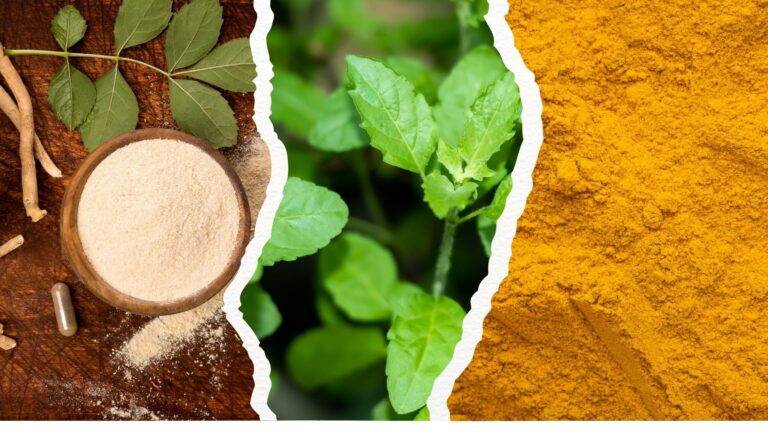
Ashwagandha is an adaptogenic herb that helps the body manage stress, improve mood, and maintain energy balance.
Lavender
Lavender essential oil or tea aids relaxation, reduces stress, and improves sleep quality.
Herbal Remedies for Digestive Issues
Ginger
Ginger helps relieve nausea, bloating, indigestion, and stomach discomfort. It also supports healthy digestion.
Peppermint
Peppermint tea or oil can soothe digestive spasms, ease irritable bowel symptoms, and improve gut comfort.
Fennel
Fennel seeds support digestion, reduce gas, and help eliminate bloating naturally.
Herbal Remedies for Colds and Immunity
Echinacea
Echinacea boosts immune function and may help reduce the severity and duration of colds.
Elderberry
Elderberry is rich in antioxidants and antiviral compounds that strengthen immunity.
Garlic
Garlic offers antibacterial, antiviral, and immune-supporting benefits, making it helpful during seasonal illnesses.
Herbal Remedies for Pain and Inflammation
Turmeric
Turmeric contains curcumin, a powerful anti-inflammatory compound that may reduce joint pain and swelling.
White Willow Bark
Often known as “nature’s aspirin,” this herb may help ease headaches, back pain, and muscle discomfort.
Devil’s Claw
Commonly used to manage arthritis-related pain and inflammation naturally.
Herbal Remedies for Skin Issues
Aloe Vera
Aloe vera gel soothes burns, hydrates the skin, and supports wound healing.
Tea Tree Oil
Tea tree oil has antibacterial properties that help address acne, fungal infections, and irritated skin.
Calendula
Calendula reduces redness, inflammation, and minor skin irritations.
How to Use Herbal Remedies Safely
While herbal remedies are natural, it’s important to use them correctly.
-
Start with small doses
-
Choose high-quality, certified products
-
Avoid mixing herbs with medications unless guided by a professional
-
Consult a healthcare provider if pregnant, nursing, or managing a medical condition
Herbal remedies provide natural and effective solutions for many common health issues. Whether you want to reduce stress, improve digestion, boost immunity, or support skin health, herbs offer a gentle and holistic path to wellness. Adding these natural remedies to your routine can support long-term balance and overall vitality.

Make this guide useful
How to put Herbal Remedies for Common Issues: Natural Wellness Guide into practice
Use this article as a focused starting point for exploring Ayurvedic. Read the ideas in the context of your own routine, priorities and available resources; the most useful change is usually the one you can return to consistently.
Start with one clear intention
Before trying everything at once, decide what you want this guide to help with. Write down one small, realistic action connected to “Herbal Remedies for Common Issues: Natural Wellness Guide”, choose when you will try it, and notice what makes it easier or harder to continue.
Use a simple check-in
Give yourself enough time to observe rather than judge. A short note about what you tried, how it fitted into your day and what you would adjust next time can turn general advice into a routine that feels personal and sustainable.
Questions to take with you
- Which part of Ayurvedic feels most relevant to my current routine?
- What is the smallest version of this idea I could try this week?
- What would help me keep the change practical, enjoyable and consistent?
Further reading