In brief
Herbal teas have been used for centuries as natural remedies to support overall health and well-being. Made from dried herbs, flowers, roots, and spices, herbal teas are caffeine-free and packed with therapeutic properties. In this article, we explore herbal teas and their…
Herbal teas have been used for centuries as natural remedies to support overall health and well-being. Made from dried herbs, flowers, roots, and spices, herbal teas are caffeine-free and packed with therapeutic properties. In this article, we explore herbal teas and their uses, their health benefits, and how they can improve your daily lifestyle naturally.
Table of Contents
What Are Herbal Teas?
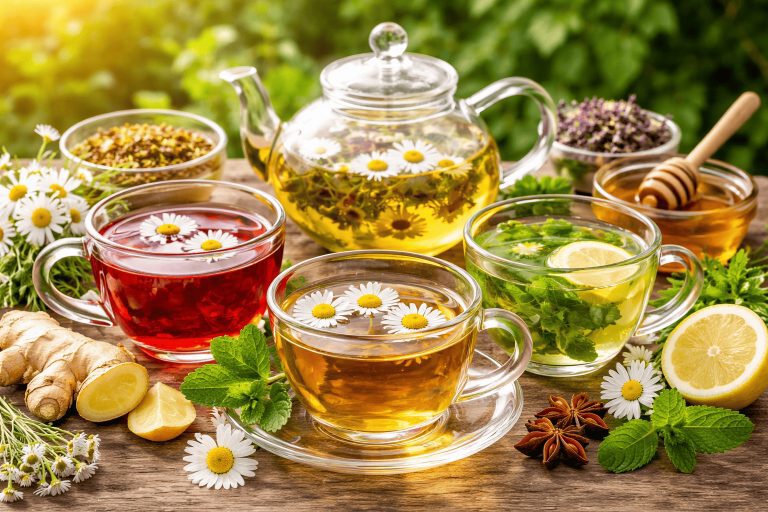
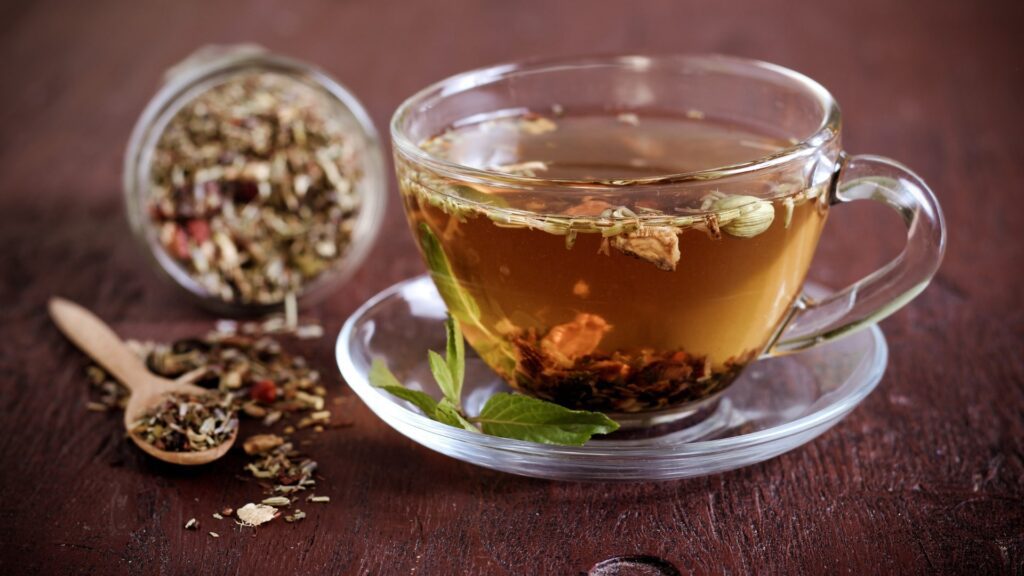
Herbal teas, also known as tisanes, are beverages made by steeping herbs, plants, or botanical ingredients in hot water. Unlike traditional tea (black or green tea), herbal teas do not come from the Camellia sinensis plant and are naturally caffeine-free.
They are widely used for:
-
Relaxation and stress relief
-
Digestive health
-
Immune system support
-
Better sleep
Top Herbal Teas and Their Uses
Chamomile Tea – For Relaxation and Sleep
Chamomile tea is one of the most popular herbal teas known for its calming effects.
Uses of Chamomile Tea:
-
Promotes better sleep
-
Reduces anxiety and stress
-
Helps with indigestion
-
Supports skin health
Peppermint Tea – For Digestive Health
Peppermint tea is refreshing and widely used to soothe digestive issues.
Uses of Peppermint Tea:
-
Relieves bloating and gas
-
Eases stomach cramps
-
Helps with nausea
-
Improves mental focus
Ginger Tea – For Immunity and Inflammation
Ginger tea is a powerful herbal drink packed with antioxidants.
Uses of Ginger Tea:
-
Boosts immunity
-
Reduces inflammation
-
Helps relieve cold and flu symptoms
-
Supports weight management
Green Tea – For Weight Loss and Heart Health
Although not a traditional herbal tea, green tea is often included due to its health benefits.
Uses of Green Tea:
-
Supports weight loss
-
Improves brain function
-
Boosts metabolism
-
Promotes heart health
Hibiscus Tea – For Blood Pressure Control
Hibiscus tea has a vibrant color and tart flavor, rich in vitamin C.
Uses of Hibiscus Tea:
-
Helps lower blood pressure
-
Supports liver health
-
Rich in antioxidants
-
Improves skin health
Tulsi (Holy Basil) Tea – For Stress and Immunity
Tulsi tea is widely used in Ayurvedic medicine.
Uses of Tulsi Tea:
-
Strengthens immunity
-
Supports respiratory health
-
Balances blood sugar levels
Health Benefits of Herbal Teas
Drinking herbal teas regularly can provide several health benefits:
-
Natural detoxification
-
Improved digestion
-
Reduced stress and anxiety
-
Enhanced immune system
Herbal teas are a natural way to stay hydrated while supporting your body’s healing processes.
How to Prepare Herbal Tea
-
Boil fresh water
-
Add 1–2 teaspoons of dried herbs or a tea bag
-
Steep for 5–10 minutes
-
Strain and enjoy
You can enhance flavor with honey, lemon, or cinnamon.
Why Choose Herbal Teas for Daily Wellness?
Herbal teas are a safe, natural, and effective way to support health without artificial additives. Whether you are looking to relax, improve digestion, or boost immunity, there is a herbal tea for every need.
Herbal teas and their uses extend far beyond simple refreshment. From promoting relaxation to improving digestion and immunity, these natural beverages offer countless health benefits. Adding herbal teas to your daily routine is an easy and effective way to support a healthier lifestyle.

Make this guide useful
How to put Herbal Teas and Their Uses: Natural Remedies for Health and Wellness into practice
Use this article as a focused starting point for exploring Herbal Teas. Read the ideas in the context of your own routine, priorities and available resources; the most useful change is usually the one you can return to consistently.
Start with one clear intention
Before trying everything at once, decide what you want this guide to help with. Write down one small, realistic action connected to “Herbal Teas and Their Uses: Natural Remedies for Health and Wellness”, choose when you will try it, and notice what makes it easier or harder to continue.
Use a simple check-in
Give yourself enough time to observe rather than judge. A short note about what you tried, how it fitted into your day and what you would adjust next time can turn general advice into a routine that feels personal and sustainable.
Questions to take with you
- Which part of Herbal Teas feels most relevant to my current routine?
- What is the smallest version of this idea I could try this week?
- What would help me keep the change practical, enjoyable and consistent?
Further reading