In brief
Hormonal acne is a common skin issue that affects both teenagers and adults, especially during hormonal changes like puberty, menstruation, pregnancy, or stress. Unlike regular acne, hormonal acne is often deeper, painful, and appears around the chin, jawline, and cheeks. The good…
Hormonal acne is a common skin issue that affects both teenagers and adults, especially during hormonal changes like puberty, menstruation, pregnancy, or stress. Unlike regular acne, hormonal acne is often deeper, painful, and appears around the chin, jawline, and cheeks.
The good news is that you can manage it naturally with the right lifestyle, diet, and skincare routine.
Table of Contents
What Is Hormonal Acne?
Hormonal acne occurs due to fluctuations in hormones, particularly androgens, which increase oil (sebum) production in the skin. This excess oil clogs pores and leads to breakouts.
Common Causes:
- Menstrual cycle changes
- Stress and cortisol imbalance
- Poor diet (high sugar and processed foods)
- Lack of sleep
- Hormonal disorders like PCOS
Signs of Hormonal Acne
- Deep, cystic pimples
- Acne around jawline and chin
- Breakouts before periods
- Oily skin
- Recurring acne in the same areas
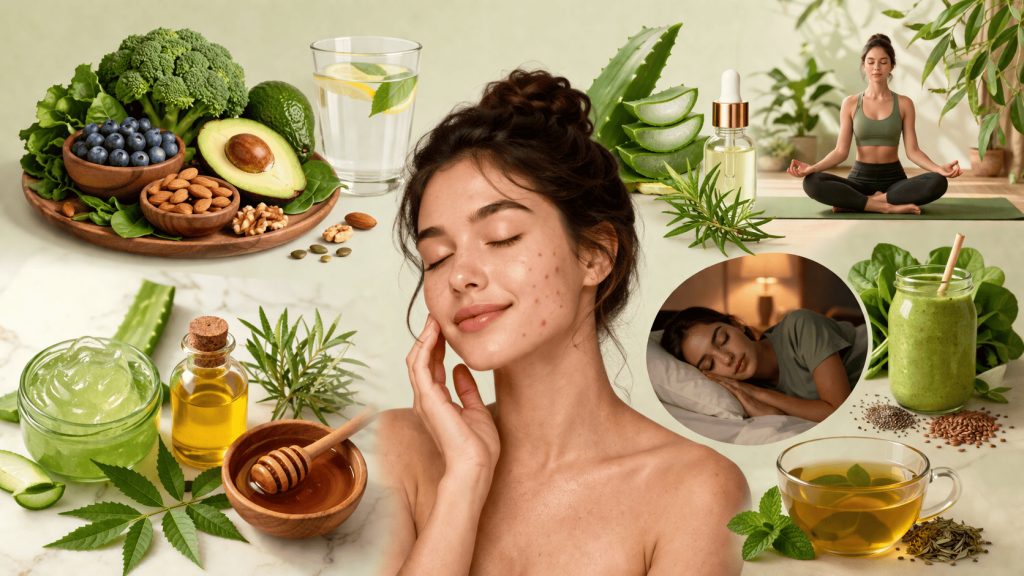
Natural Treatments for Hormonal Acne
1. Maintain a Healthy Diet
Your diet plays a major role in hormonal balance.
Eat More:
- Leafy greens
- Fruits rich in antioxidants
- Healthy fats (nuts, seeds, avocado)
- Whole grains
Avoid:
- Sugary foods
- Processed snacks
- Dairy (in some cases)
2. Stay Hydrated
Drinking enough water helps flush out toxins and keeps skin hydrated, reducing acne.
3. Use Natural Skincare Remedies
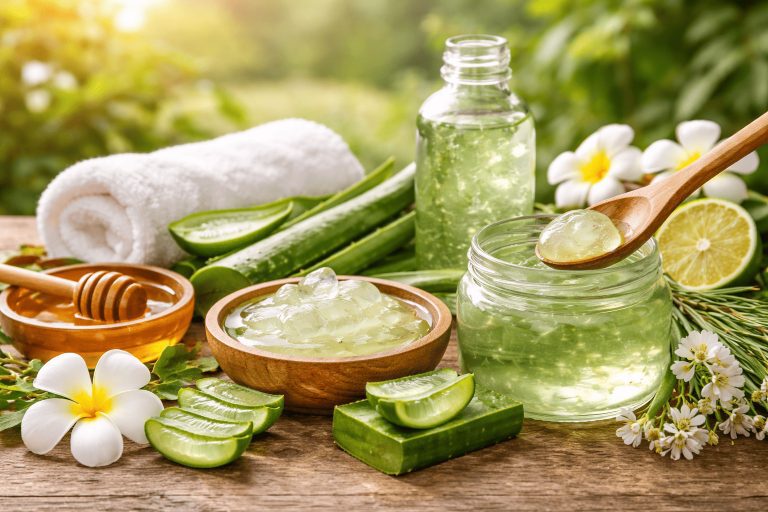
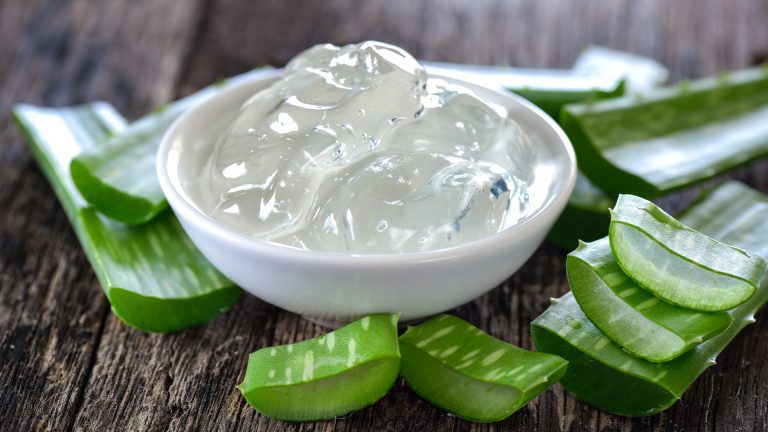
Aloe Vera
- Soothes inflammation
- Reduces redness
Tea Tree Oil
- Natural antibacterial properties
- Helps reduce acne-causing bacteria
Honey
- Hydrates skin
- Fights bacteria
4. Balance Hormones Naturally
Reduce Stress
High stress increases cortisol, which triggers acne.
Try:
- Meditation
- Yoga
- Deep breathing
5. Improve Gut Health
A healthy gut supports hormone balance.
Include:
- Probiotics (yogurt, fermented foods)
- Fiber-rich foods
6. Get Quality Sleep
Poor sleep disrupts hormones and worsens acne. Aim for 7–8 hours daily.
7. Exercise Regularly
Physical activity helps regulate hormones and improves blood circulation, which benefits skin.
8. Try Herbal Remedies
- Spearmint tea (may help reduce androgen levels)
- Turmeric (anti-inflammatory)
- Neem (antibacterial)
Daily Skincare Routine for Hormonal Acne
Morning:
- Gentle cleanser
- Natural toner (rose water)
- Lightweight moisturizer
- Sunscreen
Night:
- Cleanser
- Treatment (aloe vera or tea tree oil)
- Moisturizer
Tips to Prevent Hormonal Acne
- Avoid touching your face frequently
- Clean pillowcases regularly
- Use non-comedogenic products
- Avoid over-washing your face
- Stay consistent with your routine
When to See a Doctor
If acne is severe or persistent, consult a dermatologist. Natural remedies help, but some cases may require medical treatment.
Hormonal acne can be frustrating, but with the right natural treatments and lifestyle changes, it is manageable. Focus on balancing your hormones, maintaining a healthy diet, and following a simple skincare routine.
Consistency is the key to achieving clear, healthy skin naturally.

Make this guide useful
How to put Hormonal Acne: Natural Remedies That Work into practice
Use this article as a focused starting point for exploring Aloe Vera. Read the ideas in the context of your own routine, priorities and available resources; the most useful change is usually the one you can return to consistently.
Start with one clear intention
Before trying everything at once, decide what you want this guide to help with. Write down one small, realistic action connected to “Hormonal Acne: Natural Remedies That Work”, choose when you will try it, and notice what makes it easier or harder to continue.
Use a simple check-in
Give yourself enough time to observe rather than judge. A short note about what you tried, how it fitted into your day and what you would adjust next time can turn general advice into a routine that feels personal and sustainable.
Questions to take with you
- Which part of Aloe Vera feels most relevant to my current routine?
- What is the smallest version of this idea I could try this week?
- What would help me keep the change practical, enjoyable and consistent?
Further reading