In brief
Honey has been praised for centuries as nature’s golden nectar. From soothing sore throats to healing wounds, this sweet substance has earned a special place in traditional medicine and modern kitchens alike. But here’s the twist: while honey can be a healing…
Honey has been praised for centuries as nature’s golden nectar. From soothing sore throats to healing wounds, this sweet substance has earned a special place in traditional medicine and modern kitchens alike. But here’s the twist: while honey can be a healing powerhouse, it can also pose hidden risks if not used wisely. Let’s uncover the truth behind this sticky superfood.
Table of Contents
A Brief History of Honey
Honey has been harvested and consumed for over 8,000 years. Ancient Egyptians used it in embalming and wound care, Ayurveda recommended it for digestion and skin, and Greeks called it the “food of the gods.” Beyond its sweetness, honey has always carried a reputation for health and healing.
What Makes Honey Unique?
Unlike refined sugar, honey is a natural blend of enzymes, amino acids, vitamins, minerals, and antioxidants. Its rich composition makes it far more than just a sweetener.
Key components include:
-
Antioxidants – flavonoids and phenolic acids that fight free radicals.
-
Enzymes – like glucose oxidase, which gives honey antibacterial power.
-
Nutrients – small amounts of iron, potassium, calcium, and magnesium.
The Healing Side of Honey
1. Boosts Immunity
Honey’s antioxidants strengthen your immune system, helping the body defend against infections.
2. Soothes Throat & Cough
A spoonful of honey can calm irritation, coat the throat, and reduce nighttime coughing—especially helpful for children over age one.
3. Supports Digestion
Honey promotes healthy gut bacteria and can relieve mild digestive issues like acid reflux or indigestion.
4. Natural Energy Booster
Its natural sugars provide a quick energy source without the crash caused by refined sugar.
5. Wound Healing & Skin Benefits
Medical-grade honey (like Manuka) has antibacterial properties and is used in healing burns, cuts, and acne.
The Hidden Dangers of Honey
While honey has remarkable benefits, one drop used incorrectly could be harming you:
-
High Sugar Content – Excess consumption can spike blood sugar and lead to weight gain.
-
Infant Botulism Risk – Babies under 1 year should never consume honey due to harmful spores that can cause illness.
-
Allergic Reactions – Some people may react to pollen or bee proteins in honey.
-
Dental Issues – Sticky sugars can increase the risk of cavities if oral hygiene is neglected.
-
Adulteration – Many commercial honeys are diluted with corn syrup or artificial sweeteners, reducing their health benefits.
Raw vs. Processed Honey
-
Raw Honey – Unpasteurized, contains enzymes, pollen, and nutrients; better for health.
-
Processed Honey – Heated and filtered, often losing many beneficial compounds.
Always read labels carefully and choose trusted sources to avoid adulterated honey.
How to Use Honey the Right Way
-
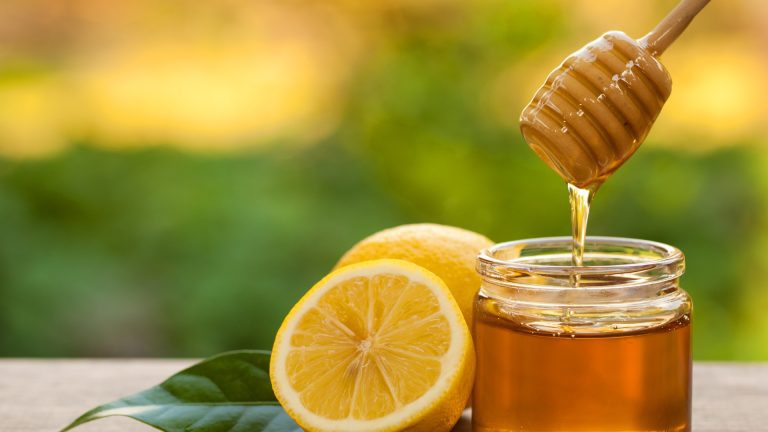
Add a teaspoon to warm water with lemon for digestion and detox.
-
Use honey as a natural sweetener in tea instead of refined sugar.
-
Apply raw honey as a face mask for glowing skin.
-
Consume before bedtime to improve sleep quality.
-
Avoid giving honey to children under 1 year.
-
Don’t overuse—limit to 1–2 teaspoons per day for adults.
Honey can heal or harm depending on how you use it. In moderation and in its raw form, honey is a powerful natural remedy—supporting immunity, digestion, skin, and energy. But in excess, or in adulterated form, it can cause more harm than good.
So, the next time you drizzle honey on your toast or stir it into tea, remember: one drop has the power to heal—but only if you use it wisely.

Make this guide useful
How to put How One Drop of Honey Could Be Harming You (or Healing You) into practice
Use this article as a focused starting point for exploring Honey. Read the ideas in the context of your own routine, priorities and available resources; the most useful change is usually the one you can return to consistently.
Start with one clear intention
Before trying everything at once, decide what you want this guide to help with. Write down one small, realistic action connected to “How One Drop of Honey Could Be Harming You (or Healing You)”, choose when you will try it, and notice what makes it easier or harder to continue.
Use a simple check-in
Give yourself enough time to observe rather than judge. A short note about what you tried, how it fitted into your day and what you would adjust next time can turn general advice into a routine that feels personal and sustainable.
Questions to take with you
- Which part of Honey feels most relevant to my current routine?
- What is the smallest version of this idea I could try this week?
- What would help me keep the change practical, enjoyable and consistent?
Further reading