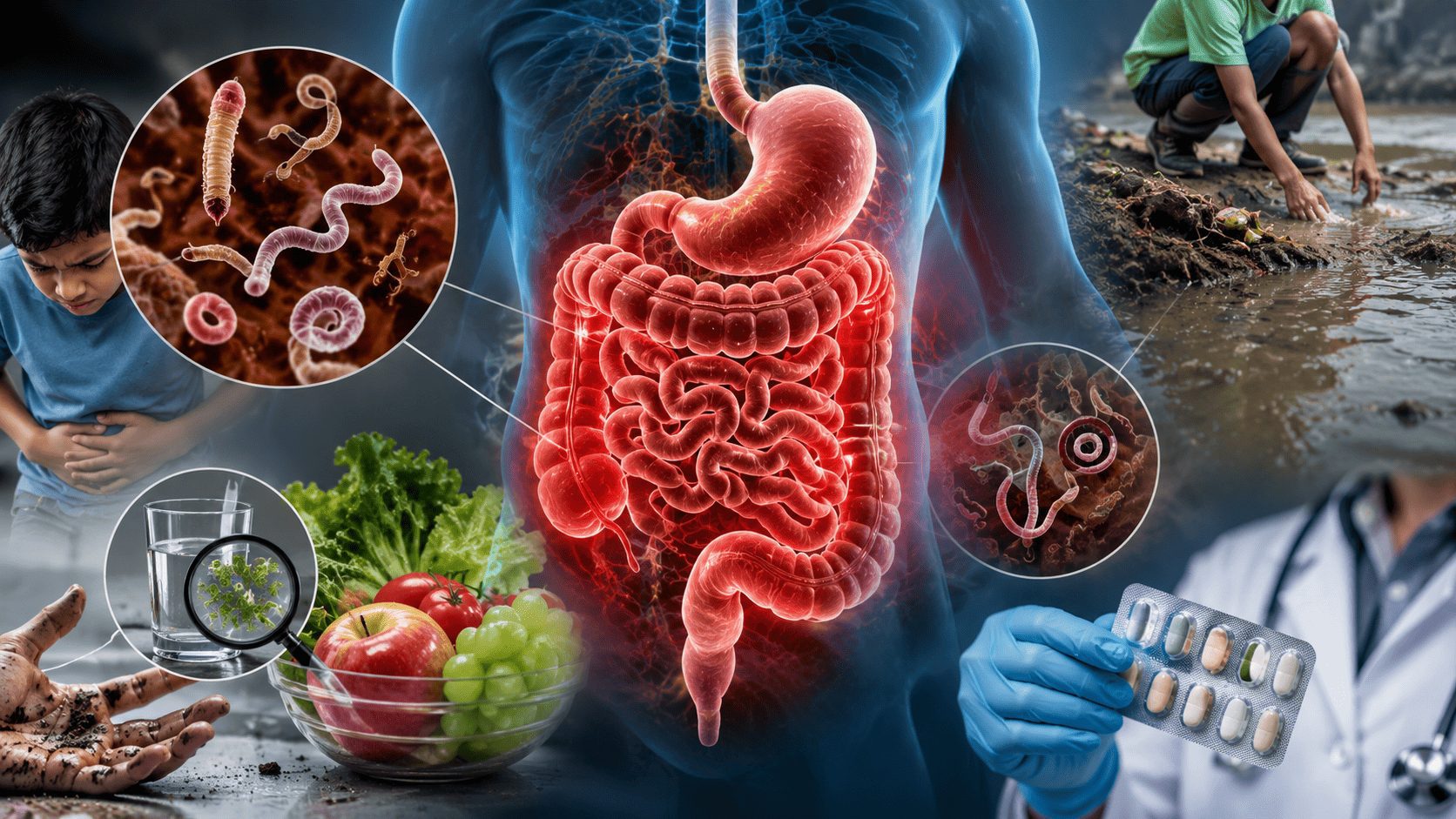
Intestinal parasite infection is a common health condition affecting millions of people worldwide. These infections occur when parasites invade the digestive tract and live inside the intestines, feeding on nutrients from the host. While many cases are mild, untreated intestinal parasite infections can lead to serious health complications, including malnutrition, anemia, and digestive disorders.
In this comprehensive guide, we'll discuss the causes, symptoms, diagnosis, treatment options, and effective prevention strategies for intestinal parasite infections.
Table of Contents
- What Is an Intestinal Parasite Infection?
- Causes of Intestinal Parasite Infection
- Common Symptoms of Intestinal Parasite Infection
- Types of Intestinal Parasites
- Risk Factors
- Diagnosis
- Treatment for Intestinal Parasite Infection
- Prevention Tips
- Possible Complications
- When to See a Doctor
- Frequently Asked Questions
What Is an Intestinal Parasite Infection?
An intestinal parasite infection occurs when harmful organisms such as worms or microscopic parasites enter the digestive system and multiply inside the intestines. These parasites survive by feeding on nutrients from the human body, often causing digestive discomfort and other health problems.
The two main categories of intestinal parasites are:
- Protozoa: Single-celled organisms such as Giardia and Entamoeba histolytica.
- Helminths: Parasitic worms including roundworms, tapeworms, hookworms, and whipworms.
Causes of Intestinal Parasite Infection
People become infected through various routes, including:
1. Contaminated Food and Water
Consuming food or drinking water contaminated with parasite eggs or cysts is one of the leading causes.
2. Poor Hygiene
Failing to wash hands after using the toilet or before eating increases the risk of infection.
3. Contact with Infected Soil
Walking barefoot or gardening in contaminated soil can expose individuals to parasitic worms.
4. Travel to High-Risk Areas
Traveling to regions with poor sanitation increases the likelihood of acquiring intestinal parasites.
5. Person-to-Person Transmission
Certain parasites spread easily in households, schools, daycare centers, and crowded environments.
Common Symptoms of Intestinal Parasite Infection
Symptoms vary depending on the type of parasite but commonly include:
- Persistent diarrhea
- Abdominal pain or cramps
- Bloating and gas
- Nausea and vomiting
- Weight loss
- Fatigue
- Loss of appetite
- Itching around the anus (especially pinworms)
- Blood in stool (in severe cases)
- Nutritional deficiencies
- Anemia
Some infected individuals may have no symptoms but can still spread the infection.
Types of Intestinal Parasites
Giardia
A protozoan parasite that commonly spreads through contaminated water and causes giardiasis.
Entamoeba histolytica
Responsible for amoebiasis, which can lead to severe diarrhea and intestinal inflammation.
Roundworms
Among the most common parasitic worms worldwide, especially in children.
Tapeworms
Usually acquired by consuming undercooked meat or fish.
Hookworms
Enter the body through the skin, often by walking barefoot on contaminated soil.
Pinworms
Common among school-aged children and spread easily through close contact.
Risk Factors
Certain individuals are more susceptible to intestinal parasite infections, including:
- Children
- Travelers to developing countries
- Individuals with weakened immune systems
- People living in areas with poor sanitation
- Individuals drinking untreated water
- Food handlers with poor hygiene practices
Diagnosis
Healthcare providers may recommend several tests to diagnose intestinal parasite infections:
Stool Examination
Multiple stool samples may be collected to identify parasite eggs, larvae, or cysts.
Blood Tests
Blood tests help detect certain parasitic infections and identify anemia or inflammation.
Endoscopy or Colonoscopy
In complex cases, doctors may examine the digestive tract directly.
Imaging Tests
Ultrasound or CT scans may be required if parasites affect organs outside the intestines.
Treatment for Intestinal Parasite Infection
Treatment depends on the specific parasite identified.
Common medications include:
- Albendazole
- Mebendazole
- Metronidazole
- Tinidazole
- Nitazoxanide
- Praziquantel (for certain tapeworm infections)
Healthcare providers may also recommend:
- Oral rehydration therapy
- Nutritional supplements
- Iron supplements for anemia
- Follow-up stool testing to confirm successful treatment
Always complete the full course of prescribed medication, even if symptoms improve early.
Prevention Tips
Preventing intestinal parasite infections involves maintaining good hygiene and food safety.
Wash Hands Regularly
Wash hands thoroughly with soap after using the restroom and before meals.
Drink Safe Water
Use filtered, boiled, or bottled water when traveling to areas with questionable water quality.
Practice Food Safety
- Wash fruits and vegetables thoroughly.
- Cook meat completely.
- Avoid raw or undercooked seafood.
Wear Footwear
Always wear shoes when walking outdoors in areas where soil contamination is possible.
Maintain Proper Sanitation
Proper disposal of human waste reduces the spread of parasites.
Deworm Pets
Pets can sometimes carry parasites that may infect humans, so regular veterinary care is important.
Possible Complications
Without proper treatment, intestinal parasite infections may lead to:
- Chronic diarrhea
- Severe dehydration
- Malnutrition
- Iron-deficiency anemia
- Growth delays in children
- Intestinal blockage (rare)
- Liver complications in certain infections
Early diagnosis and treatment significantly reduce the risk of complications.
When to See a Doctor
Seek medical attention if you experience:
- Persistent diarrhea lasting more than a few days
- Severe abdominal pain
- Blood in stool
- Unexplained weight loss
- Ongoing fatigue
- Fever with digestive symptoms
- Symptoms after international travel
- Signs of dehydration such as dizziness, dry mouth, or reduced urination
Prompt medical evaluation is especially important for young children, older adults, pregnant individuals, and people with weakened immune systems.
Frequently Asked Questions (FAQs)
Can intestinal parasites go away on their own?
Some mild infections may resolve without treatment, but many require prescription medication. It's best to consult a healthcare professional for proper diagnosis and treatment.
Are intestinal parasites contagious?
Some parasites can spread from person to person, while others require contaminated food, water, or soil for transmission.
How long does treatment take?
Most treatments last from one to several days, depending on the type of parasite and medication. Follow your healthcare provider's instructions and complete the prescribed course.
Can children get intestinal parasite infections?
Yes. Children are particularly vulnerable due to close contact in schools and developing hygiene habits.
Can intestinal parasites be prevented?
Yes. Good hand hygiene, safe food preparation, clean drinking water, proper sanitation, and wearing footwear in high-risk areas can greatly reduce the risk of infection.
Intestinal parasite infection is a common but treatable condition that can affect people of all ages. Understanding the causes, recognizing early symptoms, and seeking timely medical care are essential for preventing complications. Practicing good hygiene, consuming safe food and water, and following preventive measures can significantly lower the risk of infection. If you experience persistent digestive symptoms or suspect a parasitic infection, consult a qualified healthcare professional for accurate diagnosis and appropriate treatment.

References