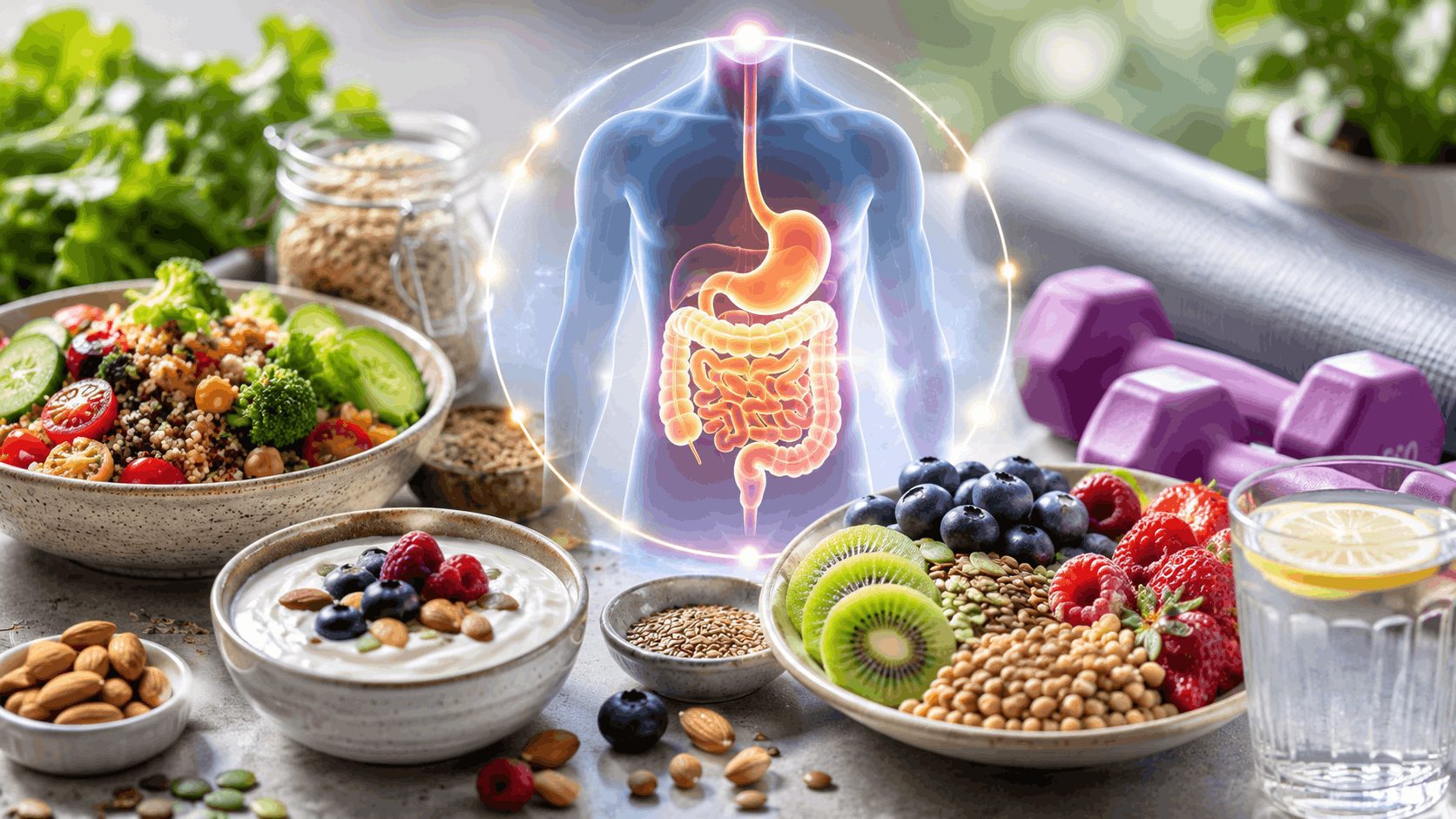
GLP-1, or glucagon-like peptide-1, has become a widely discussed hormone because of its role in appetite regulation, blood sugar control, and metabolic health. While medications that affect GLP-1 have gained attention, many people are interested in supporting their body's natural GLP-1 production through healthy lifestyle choices.
Although no food or habit can guarantee a specific increase in GLP-1 levels, research suggests that certain dietary patterns and daily routines may help support the body's natural GLP-1 response as part of a healthy lifestyle. These natural strategies are beneficial for overall metabolic health and can be incorporated into everyday life.
Table of Contents
What Is GLP-1?
GLP-1 is a hormone naturally produced in the intestines after eating. It helps regulate several important functions in the body, including appetite and blood sugar balance.
GLP-1 helps:
- Promote feelings of fullness
- Support healthy blood sugar regulation
- Slow stomach emptying
- Encourage healthy eating patterns
The body naturally releases GLP-1 after meals, especially when consuming nutrient-rich foods.
Understanding how this hormone works can help people make informed lifestyle choices that support overall wellness.
Eat More Fiber-Rich Foods
Dietary fiber is one of the most important nutrients for digestive and metabolic health.
Fiber-rich foods include:
- Oats
- Lentils
- Beans
- Apples
- Berries
- Broccoli
- Carrots
- Whole grains
Fiber slows digestion and supports healthy gut function, which may help promote the body's natural GLP-1 response after meals.
A balanced diet containing plenty of fruits, vegetables, legumes, and whole grains supports long-term wellness.
Include Protein in Every Meal
Protein helps increase satiety and supports healthy metabolism.
Healthy protein sources include:
- Eggs
- Fish
- Chicken
- Greek yogurt
- Tofu
- Lentils
- Beans
Eating adequate protein throughout the day may help reduce hunger while supporting healthy eating habits.
Combining protein with fiber-rich foods creates balanced meals that promote sustained energy.
Choose Healthy Fats
Healthy fats are another important part of a balanced diet.
Nutritious sources include:
- Avocados
- Olive oil
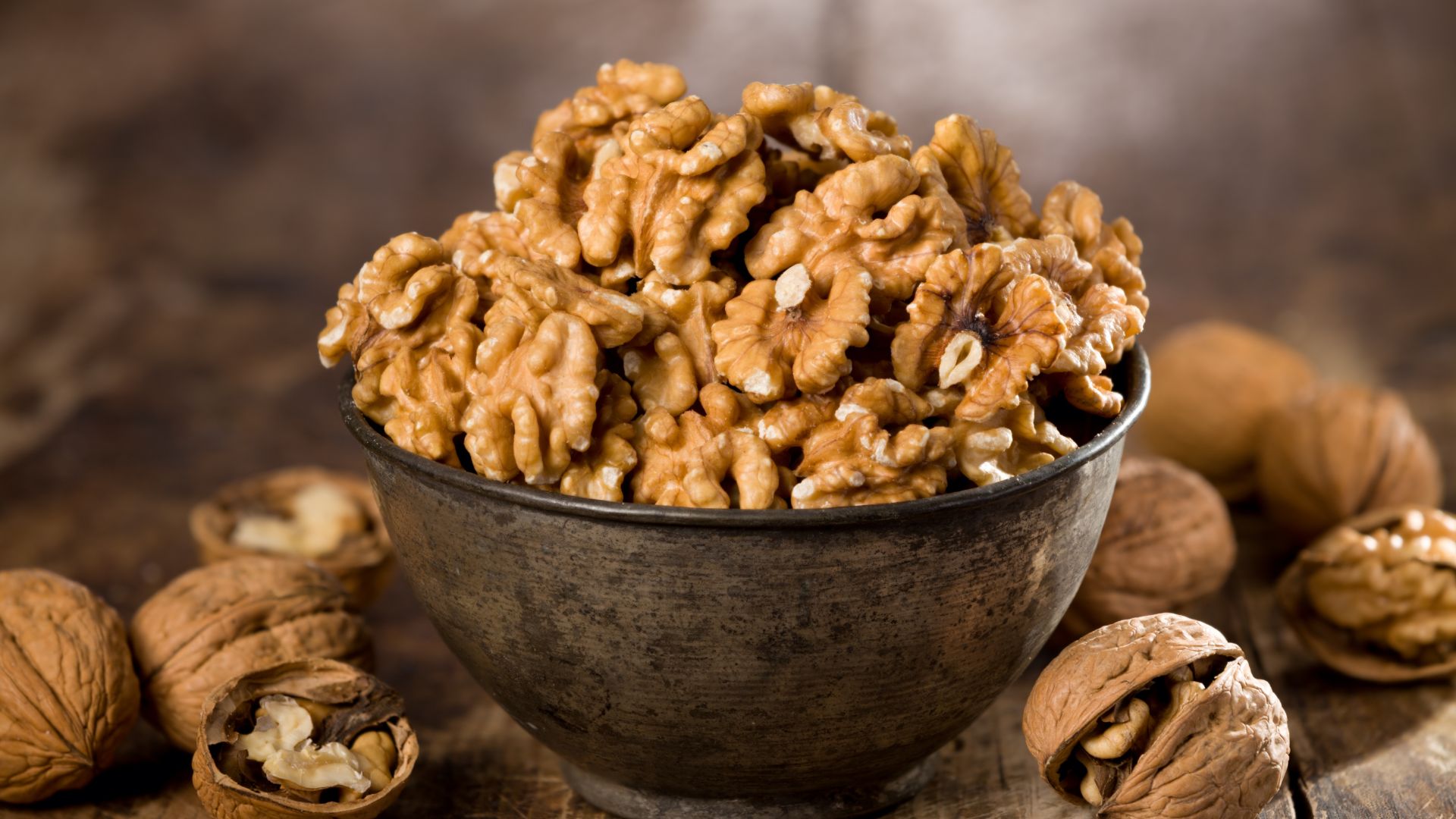
- Nuts
- Seeds
- Fatty fish
Healthy fats help increase satisfaction after meals and support overall metabolic health.
Moderation remains important because fats are calorie-dense.
Support a Healthy Gut Microbiome
A healthy digestive system plays an important role in overall wellness.
Foods that support gut health include:
- Yogurt with live cultures
- Kefir
- Kimchi
- Sauerkraut
- High-fiber vegetables
- Whole grains
A diverse gut microbiome may help support normal digestive function and natural hormone activity.
Eating a variety of plant-based foods encourages beneficial gut bacteria.
Stay Physically Active
Regular exercise supports metabolic health in many ways.
Helpful activities include:
- Walking
- Cycling
- Strength training
- Swimming
- Yoga
Physical activity improves insulin sensitivity, supports healthy weight management, and contributes to overall wellness.
Most health experts recommend combining aerobic exercise with strength training for optimal health.
Prioritize Quality Sleep
Sleep plays an important role in regulating appetite-related hormones.
Poor sleep may contribute to:
- Increased hunger
- Reduced energy
- Less healthy food choices
Healthy sleep habits include:
- Maintaining a consistent bedtime
- Limiting screen time before sleep
- Creating a relaxing bedtime routine
Quality sleep supports healthy metabolism and overall well-being.
Manage Daily Stress
Chronic stress can affect eating behaviors and overall health.
Natural stress-management techniques include:
- Meditation
- Deep breathing
- Spending time outdoors
- Journaling
- Gentle exercise
Reducing stress supports healthier lifestyle choices and promotes overall wellness.
Small daily relaxation practices often produce lasting benefits.
Limit Highly Processed Foods
Highly processed foods often contain added sugars, refined carbohydrates, and unhealthy fats.
Replacing them with whole foods provides:
- More fiber
- Better nutrition
- Greater meal satisfaction
Whole-food eating patterns support healthy digestion and long-term metabolic health.
Choosing minimally processed foods whenever possible contributes to better overall nutrition.
Maintain Consistent Healthy Habits
There is no single food that dramatically increases GLP-1 naturally.
Instead, long-term healthy habits create the greatest benefits.
These include:
- Eating balanced meals
- Staying active
- Sleeping well
- Managing stress
- Maintaining hydration
Consistency is more important than following short-term wellness trends.
Healthy daily routines support overall metabolic function.
Common Mistakes to Avoid
- Looking for miracle foods
- Following restrictive fad diets
- Ignoring sleep quality
- Neglecting regular physical activity
- Relying solely on supplements without improving lifestyle habits
Natural wellness focuses on sustainable habits rather than quick fixes.
Long-term consistency produces the best health outcomes.
Learning How to Boost GLP-1 Naturally Without Medication begins with understanding that overall lifestyle plays a greater role than any single food or supplement. A balanced diet rich in fiber, protein, healthy fats, and whole foods—combined with regular physical activity, quality sleep, stress management, and healthy daily habits—supports overall metabolic health.
While these strategies may help support the body's natural GLP-1 response, they are not substitutes for medical treatment. Individuals with diabetes, obesity, or other health conditions should consult a qualified healthcare professional before making significant dietary or treatment changes. Building sustainable habits remains one of the most effective ways to support long-term health and well-being.

References