Wellness has become a major part of everyday conversations. From morning routines and healthy eating to supplements, skincare, and mindfulness, there is always something new being promoted as the next step toward a healthier lifestyle.
Table of Contents
- What Is Natural Wellness?
- What Are Wellness Trends?
- Natural Wellness vs. Wellness Trends: The Main Differences
- Wellness Trends That Can Fit Into a Natural Lifestyle
- How to Recognise Wellness Claims That Need a Closer Look
- How to Build a Natural Wellness Routine That Works for You
- Natural Wellness Is About Balance, Not Perfection
- Finding What Actually Matters for Your Well-Being
But with so many wellness trends appearing online, it can be difficult to understand what is genuinely useful and what is simply another passing trend.
Natural wellness is not about following every new routine or buying products that promise quick results. It is about understanding your everyday needs and making thoughtful choices that support your overall well-being.
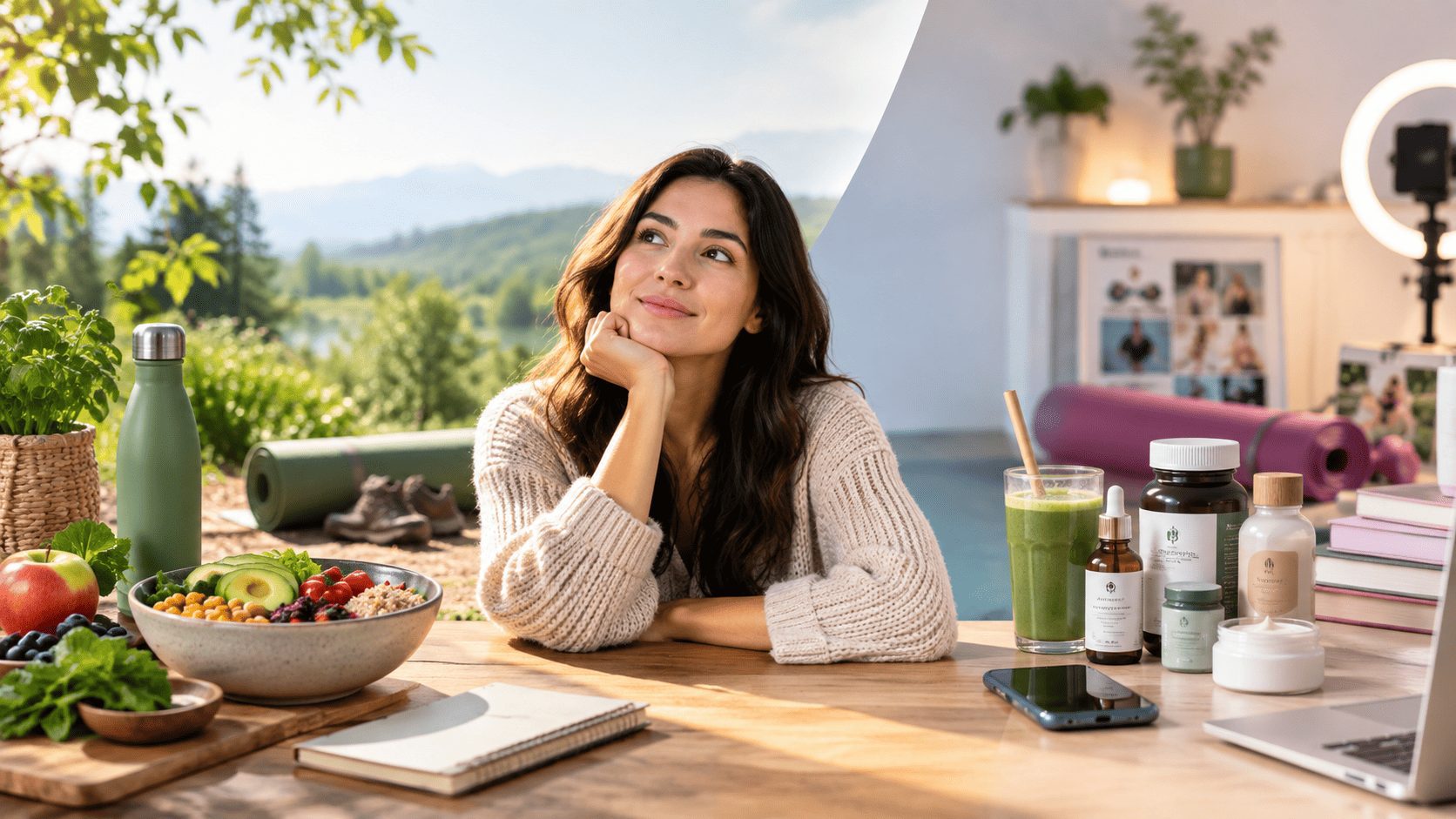
The difference between natural wellness and wellness trends often comes down to one simple question: Does this actually fit into your life and support your well-being over time?
What Is Natural Wellness?
Natural wellness is an approach to well-being that focuses on everyday habits, balance, and a closer connection with nature.
It can include eating a balanced diet, spending time outdoors, getting enough sleep, staying physically active, and making time to relax.
Rather than looking for one product or routine to improve everything, natural wellness considers how different parts of everyday life work together.
For example, preparing simple meals at home, taking a walk in the morning, maintaining a regular sleep schedule, and creating a comfortable living environment can all be part of a natural wellness lifestyle.
There is no single routine that works for everyone. Your approach may depend on your schedule, personal preferences, budget, and individual needs.
The idea is to build habits that are realistic, sustainable, and suitable for your everyday life.
What Are Wellness Trends?
Wellness trends are practices, products, or routines that become popular through social media, advertising, influencers, or wider public interest.
Some trends introduce useful ideas that encourage people to take better care of themselves. Others may be based on limited evidence, exaggerated marketing, or promises that are difficult to support.
Wellness trends can include popular morning routines, expensive supplements, detox products, restrictive diets, elaborate skincare routines, and new approaches to fitness.
The popularity of a wellness trend does not automatically mean that it is beneficial for everyone.
A routine that works well for one person may not suit another. Similarly, a product promoted as essential for wellness may not be necessary for someone with different needs.
This is why it is helpful to look beyond popularity and understand what a particular practice actually offers.
Natural Wellness vs. Wellness Trends: The Main Differences
Natural wellness and wellness trends are not necessarily opposites. A popular trend may introduce a habit that becomes a useful part of someone's natural wellness routine.
The difference is often in the purpose, expectations, and way the practice is approached.
1. Long-Term Habits vs. Quick Results
Natural wellness focuses on habits that can become part of everyday life.
Regular movement, balanced meals, sufficient sleep, and time outdoors are examples of practices that can be maintained over time.
Wellness trends, on the other hand, sometimes promote quick transformations or dramatic results within a short period.
A routine that promises an overnight change may sound appealing, but lasting well-being generally involves consistent habits rather than a single product or short-term challenge.
A more practical approach is to focus on changes that you can comfortably maintain.
2. Individual Needs vs. One-Size-Fits-All Advice
Natural wellness recognises that people have different lifestyles, preferences, and requirements.
Someone who enjoys walking may build movement into their day through outdoor activities. Another person may prefer swimming, cycling, dancing, or another form of exercise.
Wellness trends can sometimes present a particular routine as something everyone should follow.
However, what works for one person may not be appropriate or practical for someone else.
Before adopting a new wellness practice, consider whether it suits your circumstances and whether there is reliable information supporting its use.
3. Everyday Choices vs. Expensive Products
Natural wellness does not have to involve spending a lot of money.
Simple activities such as walking outdoors, preparing meals at home, maintaining a consistent bedtime, or spending time with friends can all contribute to everyday well-being.
Some wellness trends place considerable attention on products, specialised equipment, subscriptions, and expensive routines.
Although certain products may be useful for specific needs, a higher price does not automatically mean a product is more effective.
It is worth considering whether a purchase genuinely serves a purpose before adding it to your routine.
4. Balanced Well-Being vs. Focusing on One Area
Wellness involves several aspects of everyday life.
Physical activity, nutrition, sleep, emotional well-being, social relationships, and the environment in which you live can all influence how you feel.
Natural wellness takes a broader approach by recognising that these areas are connected.
Some trends, however, focus heavily on one particular aspect, such as appearance, weight, supplements, or productivity.
There is nothing wrong with having a specific wellness goal. The important thing is to avoid overlooking other aspects of your well-being while pursuing it.
Wellness Trends That Can Fit Into a Natural Lifestyle
Not every wellness trend is something to avoid. Some popular ideas encourage habits that can be practical and enjoyable when approached realistically.
The key is to understand the habit behind the trend rather than feeling that you need to follow every part of it.
Morning Walks and Outdoor Time
Spending time outside has become a popular part of many wellness routines.
A morning walk, a short visit to a local park, or some time in the garden can be simple ways to include movement and outdoor time in your day.
You do not need special equipment or a complicated schedule to enjoy these activities.
Choose a time and activity that work for your routine, and adjust them according to the weather and your personal needs.
Mindfulness and Slow Living
Mindfulness and slow living have also received considerable attention.
These approaches encourage people to become more aware of their surroundings, daily activities, and the way they spend their time.
You might try eating a meal without distractions, taking a few quiet minutes between tasks, or spending time on an activity you enjoy.
There is no need to follow a lengthy morning ritual or a strict mindfulness schedule.
Even small moments of attention and relaxation can become meaningful parts of your day.
Home-Cooked Meals and Simple Eating
Another popular wellness idea is returning to simpler meals and paying more attention to food choices.
Preparing meals at home can help you understand the ingredients you use and make it easier to include a variety of foods in your diet.
You can start with familiar recipes, seasonal produce, and ingredients that are readily available.
A balanced approach does not require eliminating entire food groups or following a restrictive eating plan unless there is a specific, professionally advised reason to do so.
Creating a Calmer Home
Wellness-focused home environments are another growing interest.
However, creating a comfortable space does not require expensive furniture, elaborate decorations, or replacing everything you already own.
Natural light, fresh air when appropriate, plants, comfortable surroundings, and less unnecessary clutter can help make everyday spaces more pleasant.
The goal is to create an environment that supports your routine and feels comfortable to you.
How to Recognise Wellness Claims That Need a Closer Look
With wellness information appearing across websites, advertisements, and social media, it is useful to develop a habit of checking claims before acting on them.
A few simple questions can help you make more informed decisions.
Be Careful With Guaranteed Results
Be cautious when a product or routine promises dramatic results in a very short time.
Claims about rapid transformations, guaranteed outcomes, or solutions that supposedly work for everyone deserve closer attention.
Well-being is influenced by many factors, and results can vary from person to person.
Look for reliable evidence rather than relying entirely on testimonials, promotional videos, or before-and-after photographs.
Check the Ingredients and Information
If you are considering a wellness product, take time to understand what it contains and what it is intended to do.
For supplements, herbal products, or other health-related items, check credible information and consider speaking with a qualified healthcare professional, particularly if you have a medical condition, take medication, or are pregnant.
Natural ingredients are not automatically safe for everyone, and products marketed as natural can still have side effects or interact with medicines.
Look Beyond Social Media Popularity
A wellness routine may become popular because it is visually appealing, easy to share, or promoted by someone with a large audience.
Popularity alone does not establish that a practice is effective or suitable for you.
When a claim involves health, nutrition, or treatment, look for trustworthy sources such as qualified healthcare professionals and established public health organisations.
Taking a little time to check information can help you avoid unnecessary purchases and unrealistic expectations.
How to Build a Natural Wellness Routine That Works for You
You do not need to follow a complete wellness programme to get started.
A more practical approach is to look at your existing routine and identify areas where small adjustments could make everyday life more comfortable and balanced.
Start With Your Everyday Needs
Think about what your current routine looks like.
Are you spending enough time outdoors? Do you have opportunities to move during the day? Is your sleep schedule reasonably consistent? Are you making time for activities you enjoy?
You do not need to change everything. Choose an area that feels manageable and begin there.
Choose Habits You Can Maintain
A wellness routine should fit into your actual life.
If you have a busy schedule, a short walk may be more realistic than a long daily workout. Preparing a few simple meals may work better than planning an entirely new diet.
Small habits that fit your circumstances are often easier to continue than complicated routines that require substantial time, money, or effort.
Make Room for Flexibility
Your needs and schedule may change over time.
There will be days when you cannot follow your usual routine, and that is normal. A natural wellness approach should allow you to adjust without feeling that you have failed.
You can return to your habits when they fit your circumstances again.
Wellness should support your life rather than become another source of pressure.
Natural Wellness Is About Balance, Not Perfection
It is easy to feel overwhelmed when every new wellness trend seems to introduce another habit, product, or routine to consider.
But well-being does not require following every popular recommendation.
You can enjoy modern products and useful wellness ideas while still focusing on simple, everyday habits. You can also choose not to follow a trend if it does not suit your needs.
What matters is making informed decisions and developing a balanced approach that works for you.
Natural wellness is not about avoiding everything modern or doing everything naturally. It is about understanding your choices and finding practical ways to support your overall well-being.
Finding What Actually Matters for Your Well-Being
Natural wellness and wellness trends can sometimes overlap, but they serve different purposes in the way people approach everyday health and lifestyle choices.
Trends may introduce new ideas, while a natural wellness approach helps you decide which of those ideas are genuinely useful for your circumstances.
You do not need an expensive routine, a cupboard full of wellness products, or a completely different lifestyle to begin.
Start with the basics that matter to you. Eat balanced meals, stay active in ways you enjoy, spend time outdoors, make room for rest, and pay attention to your everyday needs.
The most useful wellness routine is one that supports your life, fits your circumstances, and allows you to make thoughtful choices over time.
Sometimes, the things that matter most are also the simplest.

References
- Wellness Trends We’re Watching in 2026 (And Which Ones Actually Matter)
- The $2 trillion global wellness market gets a millennial and Gen Z glow-up
- Wellness Vs. Reality: 5 Trends To Avoid
- Xand van Tulleken on the 3 wellness trends to be most wary of
- The Truth About Natural Wellness Trends, According to a Health Editor