In brief
Protein is an essential nutrient that plays a vital role in maintaining overall health and wellness. From supporting muscle growth and tissue repair to helping the body produce enzymes and hormones, protein is an important part of a balanced diet. Fortunately, you…
Protein is an essential nutrient that plays a vital role in maintaining overall health and wellness. From supporting muscle growth and tissue repair to helping the body produce enzymes and hormones, protein is an important part of a balanced diet. Fortunately, you do not always need protein powders or expensive supplements to meet your daily nutritional needs. Many everyday foods provide high-quality protein along with essential vitamins, minerals, healthy fats, and fiber.
Table of Contents
- Why Is Protein Important for Everyday Wellness?
- 25 Natural Protein Sources for a Healthy Diet
- Animal-Based vs. Plant-Based Protein Sources
- How to Add Natural Protein Sources to Your Daily Diet
- How Much Protein Do You Need Every Day?
- Common Myths About Natural Protein Sources
- Frequently Asked Questions About Natural Protein Sources
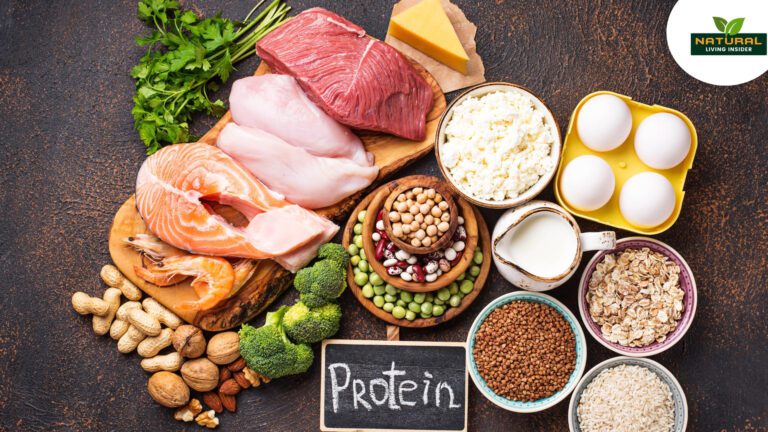
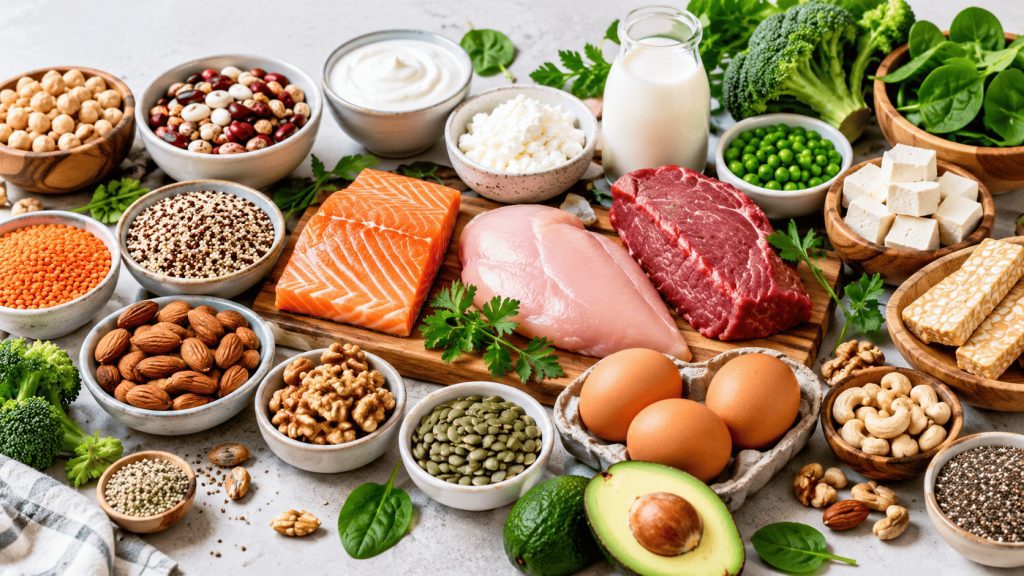
Whether you follow a vegetarian, vegan, or non-vegetarian diet, there are plenty of natural protein sources to choose from. Including a variety of protein-rich foods in your daily meals can help you maintain energy, support muscle health, and promote overall well-being.
In this article, we explore 25 natural protein sources that are easy to include in your everyday diet.
Why Is Protein Important for Everyday Wellness?
Protein is made up of amino acids, which are the building blocks of many important structures and processes in the body. Getting enough protein through food supports several essential functions.
- Muscle maintenance: Protein helps build and maintain muscle tissue.
- Tissue repair: It supports the repair and growth of cells and tissues.
- Immune function: Protein contributes to the production of antibodies and other immune components.
- Healthy hair and skin: Protein provides building blocks for keratin and collagen.
- Satiety and appetite management: Protein-rich meals can help you feel full for longer.
- Enzyme and hormone production: The body uses proteins to support many biochemical processes.
Your protein requirements depend on factors such as age, activity level, body weight, and health status. Eating a variety of protein-rich foods throughout the day is a practical way to support your nutritional needs.
25 Natural Protein Sources for a Healthy Diet
The following foods offer different amounts of protein and a variety of other nutrients. Protein values are approximate and can vary by serving size, variety, and cooking method.
1. Eggs
Eggs are one of the most convenient natural protein sources. One large egg provides approximately 6 grams of protein, along with vitamin B12, selenium, and choline.
Eggs are easy to prepare and can be enjoyed boiled, scrambled, or as an omelet. Pair them with whole-grain toast and vegetables for a balanced breakfast.
2. Chicken Breast
Chicken breast is a popular high-protein food, especially among people who want to support muscle maintenance and recovery. A 100-gram serving of cooked, skinless chicken breast provides approximately 30–31 grams of protein.
Grilled, roasted, or lightly cooked chicken can be added to salads, wraps, rice bowls, and everyday meals.
3. Fish
Fish provides protein along with important nutrients such as vitamin B12 and, in some varieties, omega-3 fatty acids. A 100-gram serving of cooked salmon typically provides around 22–25 grams of protein.
Other options include sardines, tuna, rohu, and other locally available fish. Choose a variety of fish and prepare them by grilling, baking, steaming, or cooking with moderate amounts of oil.
4. Milk
Milk is an accessible source of protein and calcium. One cup of cow's milk, approximately 240–250 ml, provides around 8 grams of protein.
You can drink milk on its own or use it in oatmeal, smoothies, porridge, and other recipes. Fortified milk alternatives may provide similar nutrients, but their protein content varies by product.
5. Greek Yogurt
Greek yogurt is a protein-rich dairy food that can be enjoyed as breakfast, a snack, or part of a meal. Depending on the brand and preparation, 170 grams may provide approximately 15–18 grams of protein.
Choose plain, unsweetened Greek yogurt to limit added sugar. Add fresh fruit, seeds, or nuts for additional nutrients and flavor.
6. Paneer
Paneer is a popular vegetarian protein source in Indian cuisine. A 100-gram serving generally provides around 14–20 grams of protein, depending on its moisture and fat content.
Add paneer to curries, salads, wraps, or grilled dishes. Pair it with vegetables and whole grains to create a more balanced meal.
7. Cottage Cheese
Cottage cheese is another dairy-based protein option. A 100-gram serving often provides approximately 11–13 grams of protein, although the amount varies by product.
Enjoy it with fruit, whole-grain crackers, or vegetables. If you are watching your sodium intake, compare product labels before choosing a variety.
8. Lentils
Lentils are among the most versatile plant-based protein sources. One cup of cooked lentils provides approximately 18 grams of protein, along with fiber, folate, iron, and other minerals.
In Indian households, lentils are commonly prepared as dal. They can also be added to soups, salads, and vegetable dishes for a satisfying, nutrient-rich meal.
9. Chickpeas
Chickpeas provide plant-based protein, fiber, folate, and several essential minerals. One cup of cooked chickpeas contains approximately 14–15 grams of protein.
Use chickpeas in chana masala, hummus, salads, or roasted snacks. They are an excellent choice for people looking to add more plant-based foods to their diet.
10. Kidney Beans
Kidney beans, also known as rajma, are a familiar and nutritious protein source. One cup of cooked kidney beans provides around 15 grams of protein.
Rajma can be served with brown rice, whole-wheat roti, or vegetables. Always cook dried kidney beans properly, as raw or undercooked kidney beans can contain harmful natural toxins.
11. Black Beans
Black beans are rich in plant protein, fiber, and minerals. One cup of cooked black beans provides approximately 15 grams of protein.
Add them to soups, grain bowls, salads, or vegetable wraps. Their combination of protein and fiber makes them a useful addition to filling meals.
12. Soybeans
Soybeans are a valuable plant-based protein source because they contain all nine essential amino acids. One cup of cooked mature soybeans can provide approximately 28–30 grams of protein.
Soybeans can be included in salads, stir-fries, and traditional dishes. Their protein content makes them especially useful for people following vegetarian or vegan diets.
13. Tofu
Tofu is made from soybeans and is a versatile option for plant-based meals. A 100-gram serving typically contains approximately 8–17 grams of protein, depending on its firmness and brand.
Tofu absorbs flavors well and works in curries, stir-fries, soups, and grilled dishes. Combine it with vegetables and whole grains for a balanced meal.
14. Tempeh
Tempeh is a fermented soybean product that offers substantial plant-based protein. A 100-gram serving commonly provides around 18–20 grams of protein.
It can be sliced, grilled, baked, or added to stir-fries. Its firm texture makes it a useful alternative to meat in many recipes.
15. Peanuts
Peanuts are a convenient source of protein and healthy unsaturated fats. A 30-gram serving provides approximately 7 grams of protein.
Enjoy a small handful as a snack, add crushed peanuts to salads, or spread peanut butter on whole-grain toast. Because peanuts are calorie-dense, portion size matters when managing overall energy intake.
16. Almonds
Almonds provide protein, vitamin E, magnesium, and unsaturated fats. A 30-gram serving contains approximately 6 grams of protein.
Eat almonds as a snack or add them to oatmeal, yogurt, and homemade trail mixes. Although nutritious, almonds are best viewed as a supplementary protein source rather than the main protein component of a meal.
17. Pumpkin Seeds
Pumpkin seeds are rich in protein, magnesium, zinc, and healthy fats. A 30-gram serving generally provides around 8–9 grams of protein.
Sprinkle pumpkin seeds over salads, soups, yogurt, or oatmeal. Unsalted varieties are a good choice if you want to reduce sodium intake.
18. Chia Seeds
Chia seeds provide plant protein, fiber, omega-3 fatty acids, and minerals. Two tablespoons, approximately 28 grams, contain around 4–5 grams of protein.
Mix chia seeds into yogurt, smoothies, or overnight oats. They absorb liquid and form a gel, making them suitable for chia pudding and other breakfast recipes.
19. Oats
Oats are a nutritious whole grain that supplies protein, fiber, and important minerals. A 40-gram serving of dry oats typically provides around 5 grams of protein.
Prepare oats with milk or fortified soy milk and add nuts or seeds to increase the total protein content of your breakfast.
20. Quinoa
Quinoa is a gluten-free seed commonly used as a grain alternative. One cup of cooked quinoa provides approximately 8 grams of protein and contains all nine essential amino acids.
Use quinoa in salads, vegetable bowls, or as a substitute for rice. Its versatility makes it suitable for many vegetarian and vegan meal plans.
21. Edamame
Edamame consists of young green soybeans and is a convenient plant-based snack. One cup of cooked, shelled edamame contains approximately 18–19 grams of protein.
Enjoy edamame steamed with a little seasoning or add it to salads, soups, and grain bowls.
22. Green Peas
Green peas contain protein, fiber, vitamin C, and other nutrients. One cup of cooked green peas provides approximately 8–9 grams of protein.
Add peas to pulao, soups, curries, pasta, or vegetable dishes. They are an easy way to increase the protein content of everyday meals.
23. Whole-Wheat Bread
Whole-wheat bread contributes protein while also supplying carbohydrates and fiber. Two medium slices typically provide approximately 6–8 grams of protein, depending on the brand and slice size.
Pair whole-wheat bread with eggs, paneer, hummus, or peanut butter to create a more protein-rich meal.
24. Amaranth
Amaranth is a nutritious seed used like a grain in many cuisines. One cup of cooked amaranth provides approximately 9 grams of protein, along with minerals and fiber.
Use amaranth in porridge, khichdi, or grain bowls. It can be a useful alternative for people who want more variety in their whole-grain choices.
25. Hemp Seeds
Hemp seeds contain protein, unsaturated fats, and several minerals. A 30-gram serving of hulled hemp seeds generally provides around 9–10 grams of protein.
Sprinkle them over smoothies, salads, oatmeal, or yogurt. Their mild flavor makes them easy to add to everyday meals.
Animal-Based vs. Plant-Based Protein Sources
Both animal-based and plant-based foods can contribute to a healthy, protein-rich diet. The best choice depends on your preferences, dietary requirements, budget, and lifestyle.
| Protein Source | Examples | Main Benefits |
|---|---|---|
| Animal-based | Eggs, fish, chicken, milk, yogurt | Often provide complete protein and nutrients such as vitamin B12 |
| Plant-based | Lentils, beans, tofu, soybeans, quinoa | Often provide fiber, minerals, and beneficial plant compounds |
| Nuts and seeds | Almonds, peanuts, pumpkin seeds, hemp seeds | Provide protein alongside unsaturated fats and minerals |
Animal proteins generally contain all nine essential amino acids in adequate amounts. Several plant proteins, including soy and quinoa, also provide all nine. Other plant foods can complement one another over the course of a varied diet.
You do not need to combine specific plant proteins at every meal. Eating a variety of protein-rich plant foods throughout the day can help you obtain the essential amino acids your body needs.
How to Add Natural Protein Sources to Your Daily Diet
Including more protein in your meals does not have to be complicated. A few simple changes can help you build balanced eating habits.
Start Your Day With a Protein-Rich Breakfast
Choose eggs, milk, Greek yogurt, paneer, or oats prepared with milk or soy milk. Adding nuts and seeds can provide additional protein and healthy fats.
Include Protein in Every Main Meal
Add dal, rajma, chickpeas, tofu, paneer, fish, or chicken to lunch and dinner. Pair these foods with vegetables and whole grains for a balanced plate.
Choose Nutritious Snacks
Replace low-nutrient snacks with options such as roasted chickpeas, yogurt, boiled eggs, edamame, or a small handful of nuts.
Mix Different Plant-Based Proteins
Combine lentils, beans, soy products, nuts, seeds, and whole grains throughout the day. This approach increases dietary variety and provides a broader range of nutrients.
Prepare Meals in Advance
Cooking a batch of dal, beans, or chickpeas ahead of time can make it easier to prepare nutritious meals during a busy week. Keep suitable portions refrigerated and follow food-safety guidelines.
How Much Protein Do You Need Every Day?
Protein requirements vary from person to person. For many healthy adults, a commonly used reference intake is approximately 0.8 grams of protein per kilogram of body weight per day, although individual needs may differ.
For example, a healthy adult weighing 60 kilograms would need approximately 48 grams of protein daily using this reference value.
People who engage in regular intense exercise, older adults, pregnant individuals, and those recovering from illness may have different requirements. People with kidney disease or other medical conditions should seek individualized guidance from a qualified healthcare professional or registered dietitian.
Rather than relying on one food, spread protein intake across meals and select a variety of nutritious sources.
Common Myths About Natural Protein Sources
Myth 1: Only Meat Provides Enough Protein
Fact: Lentils, beans, soybeans, tofu, dairy products, nuts, and seeds can all contribute meaningful amounts of protein. A well-planned vegetarian or vegan diet can meet protein requirements.
Myth 2: Protein Supplements Are Essential
Fact: Many people can meet their protein needs through regular foods. Protein powders may be convenient in certain circumstances, but they are not necessary for everyone.
Myth 3: More Protein Is Always Better
Fact: Protein is essential, but excessive intake does not automatically improve health or muscle growth. Total energy intake, exercise, sleep, and overall dietary quality also matter.
Myth 4: Plant-Based Proteins Are Always Incomplete
Fact: Some plant foods, such as soybeans and quinoa, provide all nine essential amino acids. Eating a varied selection of plant foods can help meet amino acid requirements.
Frequently Asked Questions About Natural Protein Sources
1. What Are the Best Natural Protein Sources?
Eggs, fish, chicken, milk, yogurt, lentils, chickpeas, kidney beans, soybeans, and tofu are excellent options. The best choice depends on your dietary preferences, nutritional needs, and lifestyle.
2. Which Vegetarian Foods Are High in Protein?
Soybeans, tofu, tempeh, lentils, chickpeas, kidney beans, paneer, Greek yogurt, and edamame are useful vegetarian protein sources. Including several of these foods throughout the day can help you meet your protein requirements.
3. What Are the Best Plant-Based Protein Sources for Vegans?
Soybeans, tofu, tempeh, lentils, chickpeas, beans, edamame, quinoa, peanuts, and seeds are good choices for a vegan diet. Combining these foods with a variety of vegetables and whole grains supports overall dietary quality.
4. Can I Get Enough Protein Without Supplements?
Yes. Many people can meet their daily protein requirements through a balanced diet that includes foods such as dairy, eggs, legumes, soy products, fish, poultry, nuts, and seeds. Supplements may be useful in some situations, but they are not essential for everyone.
5. Which Natural Protein Sources Are Suitable for Breakfast?
Eggs, Greek yogurt, milk, paneer, oats, tofu, nuts, and seeds can all be included in breakfast. For example, oats prepared with milk and topped with nuts provide protein from several food sources.
6. Are Nuts and Seeds Good Sources of Protein?
Yes. Peanuts, almonds, pumpkin seeds, chia seeds, and hemp seeds provide protein along with healthy fats and minerals. However, because many nuts and seeds are calorie-dense, legumes, dairy, eggs, or soy products may be more practical as primary protein sources.
7. Can Natural Protein Sources Help With Weight Management?
Protein-rich foods can support fullness and help preserve lean muscle when combined with appropriate nutrition and physical activity. However, weight management depends on overall dietary intake, activity, sleep, and other individual factors rather than protein alone.
Natural protein sources are an important part of a balanced diet and everyday wellness. From eggs, dairy, and fish to lentils, chickpeas, soybeans, nuts, and seeds, there are many nutritious options for people with different dietary preferences.
The key is to choose a variety of protein-rich foods, include them regularly in meals, and balance them with vegetables, fruits, whole grains, and healthy fats. You do not necessarily need expensive supplements to support your nutritional goals.
Start with small, practical changes, such as adding dal to lunch, choosing yogurt for a snack, or including eggs, tofu, or paneer in your meals. With consistent and balanced eating habits, natural protein sources can become an easy and sustainable part of your everyday wellness routine.

Further reading