
In brief
During the hot summer months, rising temperatures can lead to serious heat-related health problems such as heat exhaustion and heat stroke. These conditions occur when the body becomes overheated and cannot regulate its temperature properly. Dehydration, prolonged exposure to the sun, and…
During the hot summer months, rising temperatures can lead to serious heat-related health problems such as heat exhaustion and heat stroke. These conditions occur when the body becomes overheated and cannot regulate its temperature properly. Dehydration, prolonged exposure to the sun, and intense physical activity in hot weather can increase the risk. Understanding natural remedies and preventive measures can help protect the body from heat stress and support faster recovery.
Table of Contents
What Are Heat Exhaustion and Heat Stroke
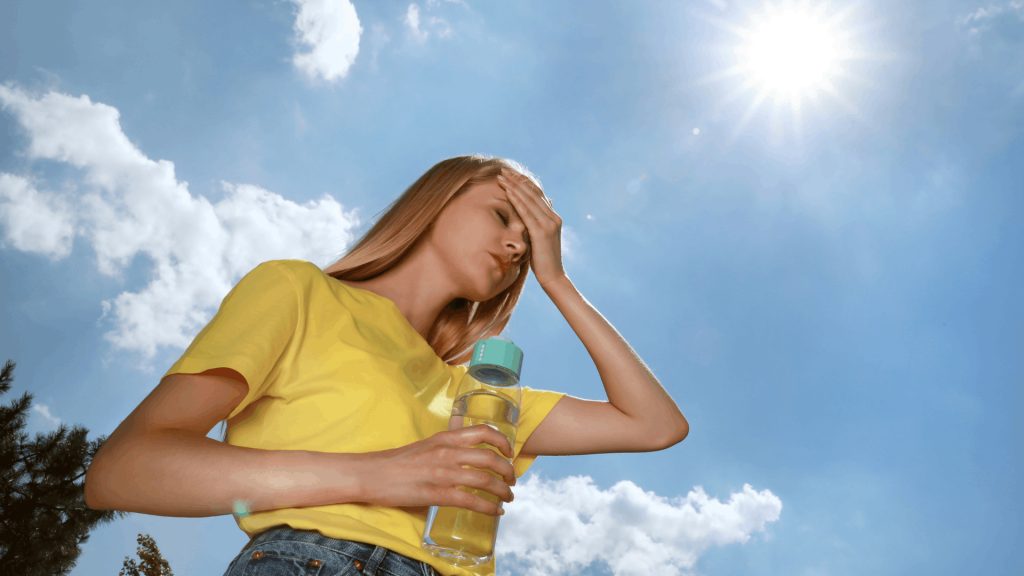
Heat exhaustion is a condition caused by excessive heat and dehydration, often resulting in symptoms such as heavy sweating, weakness, dizziness, headache, and nausea. If heat exhaustion is not treated quickly, it may progress into heat stroke.
Heat stroke is a more severe and potentially life-threatening condition. It occurs when the body temperature rises above normal levels and the body can no longer cool itself effectively. Symptoms may include confusion, fainting, rapid pulse, hot skin, and extremely high body temperature.
Common Symptoms of Heat Exhaustion and Heat Stroke
Recognizing early symptoms can help prevent serious complications.
Symptoms of heat exhaustion may include:
Excessive sweating
Fatigue and weakness
Dizziness or lightheadedness
Muscle cramps
Nausea or vomiting
Headache
Symptoms of heat stroke may include:
High body temperature
Hot and dry skin
Rapid heartbeat
Confusion or disorientation
Loss of consciousness
Immediate attention is important when symptoms become severe.
Natural Remedies for Heat Exhaustion and Heat Stroke
Drink Plenty of Fluids
Hydration is one of the most important remedies. Drinking water, coconut water, lemon water, and natural electrolyte drinks helps replenish lost fluids and minerals.
Coconut Water
Coconut water is rich in natural electrolytes such as potassium and magnesium. It helps restore hydration levels and cool the body naturally.
Buttermilk
Buttermilk is a traditional summer drink that helps maintain hydration and supports digestion. It also provides essential salts lost through sweating.
Aloe Vera Juice
Aloe vera has cooling properties that help regulate body temperature. Consuming aloe vera juice in moderation may help reduce heat stress.
Cooling Foods
Eating water-rich fruits and vegetables such as watermelon, cucumber, oranges, and muskmelon helps maintain hydration and supports the body during hot weather.
Rest in a Cool Environment
Moving to a shaded or air-conditioned place helps the body cool down. Resting and avoiding physical activity allows the body temperature to return to normal.
Cold Compress or Cool Bath
Applying a cool cloth to the forehead, neck, and wrists can help reduce body temperature. A cool shower or bath may also provide relief.
Preventing Heat Exhaustion and Heat Stroke
Prevention is the best approach during extreme summer temperatures.
Drink enough water throughout the day
Wear lightweight and breathable clothing
Avoid direct sunlight during peak afternoon hours
Eat light and hydrating foods
Take frequent breaks if working outdoors
Use hats or umbrellas to protect yourself from the sun
These simple steps can significantly reduce the risk of heat-related illnesses.
Importance of a Healthy Summer Lifestyle
Maintaining a healthy lifestyle during summer supports the body’s natural cooling system. Regular hydration, balanced nutrition, and adequate rest help the body adapt to high temperatures. Including seasonal fruits, vegetables, and natural drinks in the daily diet can strengthen overall health and reduce the chances of heat exhaustion.

Make this guide useful
How to put Natural Remedies for Heat Exhaustion and Heat Stroke into practice
Use this article as a focused starting point for exploring Heart. Read the ideas in the context of your own routine, priorities and available resources; the most useful change is usually the one you can return to consistently.
Start with one clear intention
Before trying everything at once, decide what you want this guide to help with. Write down one small, realistic action connected to “Natural Remedies for Heat Exhaustion and Heat Stroke”, choose when you will try it, and notice what makes it easier or harder to continue.
Use a simple check-in
Give yourself enough time to observe rather than judge. A short note about what you tried, how it fitted into your day and what you would adjust next time can turn general advice into a routine that feels personal and sustainable.
Questions to take with you
- Which part of Heart feels most relevant to my current routine?
- What is the smallest version of this idea I could try this week?
- What would help me keep the change practical, enjoyable and consistent?
Further reading