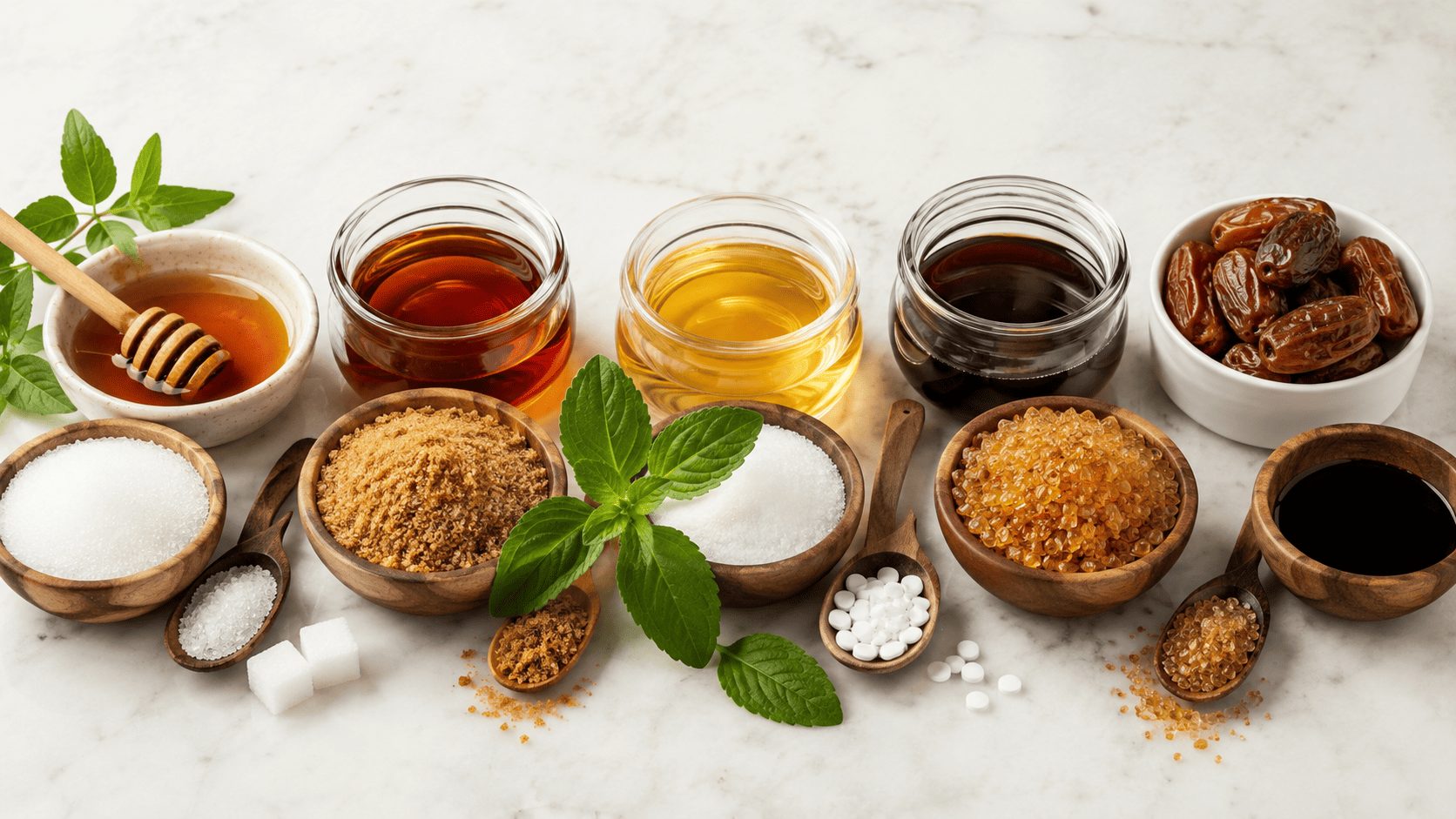
Sugar is a staple ingredient in many diets, but growing concerns about excessive sugar consumption have led people to seek healthier alternatives. Whether you're trying to reduce calories, manage blood sugar levels, or simply make more natural food choices, there are plenty of sweeteners available. But which ones are actually the best?
In this guide, we rank the most popular natural sugar alternatives based on nutrition, taste, versatility, and overall health benefits.
Table of Contents
Why Consider Natural Sugar Alternatives?
Refined white sugar provides sweetness but offers little nutritional value. Consuming too much added sugar has been linked to weight gain, tooth decay, and an increased risk of chronic health conditions. Natural sweeteners can provide a better option, especially when used in moderation.
Benefits of natural sugar alternatives may include:
- Lower glycemic impact
- Fewer calories
- Additional nutrients and antioxidants
- Better blood sugar management
- More natural ingredient profiles
Natural Sugar Alternatives Ranked
1. Monk Fruit Sweetener – Best Overall
Why it ranks #1: Monk fruit sweetener delivers sweetness without calories or significant effects on blood sugar levels.
Pros:
- Zero calories
- Zero sugar
- Does not raise blood glucose
- Suitable for low-carb and keto diets
- Highly concentrated sweetness
Cons:
- Can be more expensive than other sweeteners
- Some blends contain added ingredients
Best for: Coffee, tea, baking, and sugar-free recipes.
2. Stevia – Best Low-Calorie Sweetener
Stevia is derived from the leaves of the stevia plant and is one of the most popular natural sweeteners worldwide.
Pros:
- Zero calories
- Does not spike blood sugar
- Widely available
- Suitable for diabetics
Cons:
- Some people notice a bitter aftertaste
- Taste varies by brand
Best for: Beverages, desserts, and everyday sweetening.
3. Honey – Best Natural Sweetener for Antioxidants
Honey has been used as a natural sweetener for centuries and contains small amounts of vitamins, minerals, and antioxidants.
Pros:
- Rich flavor
- Contains beneficial plant compounds
- Less processed than refined sugar
Cons:
- High in calories
- Raises blood sugar levels
- Not suitable for infants under one year old
Best for: Tea, marinades, dressings, and baking.
4. Maple Syrup – Best for Natural Flavor
Pure maple syrup is made from the sap of maple trees and offers a distinctive flavor profile.
Pros:
- Contains minerals such as manganese and zinc
- Natural production process
- Rich, unique taste
Cons:
- High in sugar and calories
- Can be expensive
Best for: Pancakes, oatmeal, yogurt, and baked goods.
5. Date Sugar – Best Whole-Food Option
Date sugar is produced from dried, ground dates and retains some of the fruit's nutrients and fiber.
Pros:
- Minimally processed
- Contains trace minerals
- Rich caramel-like flavor
Cons:
- Doesn't dissolve well in liquids
- Similar calorie content to sugar
Best for: Baking and dry recipes.
6. Coconut Sugar – Best Alternative to Brown Sugar
Coconut sugar is made from the sap of coconut palm flowers and has become popular among health-conscious consumers.
Pros:
- Lower glycemic index than regular sugar
- Similar taste to brown sugar
- Contains small amounts of minerals
Cons:
- Still high in calories
- Nutritional benefits are relatively modest
Best for: Baking, cooking, and replacing brown sugar.
7. Agave Nectar – Use in Moderation
Agave nectar is often marketed as a healthy sweetener due to its low glycemic index.
Pros:
- Dissolves easily
- Very sweet, so less may be needed
Cons:
- High fructose content
- Excessive intake may not support metabolic health
Best for: Cold drinks and desserts.
Comparison Table
| Sweetener | Calories | Glycemic Impact | Taste | Best Use |
|---|---|---|---|---|
| Monk Fruit | 0 | Very Low | Clean Sweetness | General Use |
| Stevia | 0 | Very Low | Sweet with slight aftertaste | Drinks & Baking |
| Honey | High | Moderate | Rich & Floral | Tea & Recipes |
| Maple Syrup | High | Moderate | Deep & Caramel-like | Breakfast Foods |
| Date Sugar | Moderate | Moderate | Fruity Caramel | Baking |
| Coconut Sugar | Moderate | Lower than Sugar | Brown Sugar Flavor | Baking |
| Agave Nectar | High | Low | Mild Sweetness | Beverages |
Which Natural Sugar Alternative Is Healthiest?
For most people, monk fruit sweetener and stevia are among the healthiest choices because they provide sweetness without calories or significant effects on blood sugar. However, if you prefer minimally processed options, honey, maple syrup, and date sugar can be excellent choices when consumed in moderation.
The best sweetener ultimately depends on your goals:
- Weight loss: Monk fruit or stevia
- Blood sugar management: Monk fruit or stevia
- Natural whole-food option: Date sugar
- Flavor enhancement: Honey or maple syrup
- Baking substitute: Coconut sugar
Natural sugar alternatives can help reduce your intake of refined sugar while still satisfying your sweet tooth. No sweetener is perfect, but understanding the nutritional differences can help you make smarter choices. For overall health and versatility, monk fruit sweetener and stevia lead the rankings, while honey, maple syrup, and date sugar remain excellent natural options for those seeking less processed alternatives.

References