In brief
Stress has become an unavoidable part of modern lifestyle, affecting mental and physical well-being. Fortunately, natural stress-relief methods like mindfulness, meditation, and yoga offer safe and effective ways to restore calm, balance, and clarity. This guide explains how these practices work and…
Stress has become an unavoidable part of modern lifestyle, affecting mental and physical well-being. Fortunately, natural stress-relief methods like mindfulness, meditation, and yoga offer safe and effective ways to restore calm, balance, and clarity. This guide explains how these practices work and how to incorporate them into daily life.
Table of Contents
What Is Stress and Why Natural Remedies Matter?
Stress is the body's response to pressure or challenging situations. When it becomes constant, it can lead to anxiety, irritability, and health issues.
Natural techniques help reduce stress without medication, providing long-term benefits for emotional and physical health.
Mindfulness: Staying Present in the Moment
Mindfulness means fully focusing on the present without judgment. It helps reduce overthinking and brings mental clarity.
Benefits of Mindfulness
-
Reduces anxiety and emotional stress
-
Brings calmness and mental stability
-
Helps break negative thought patterns
How to Practice Mindfulness
-
Focus on slow, deep breathing
-
Observe thoughts without reacting
-
Practice mindful eating
-
Try mindful walking or body scanning
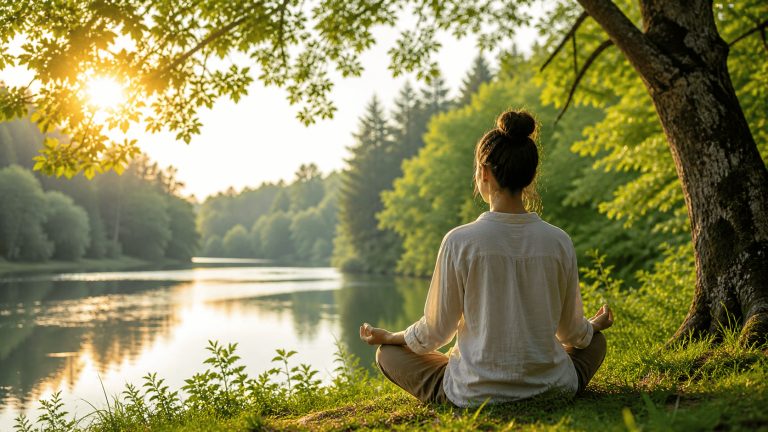
Meditation: Achieving Deep Mental Calm
Meditation is a powerful, natural tool for calming an overactive mind. It helps regulate emotions and reduces the stress hormone cortisol.
Benefits of Meditation
-
Improves emotional balance
-
Promotes better sleep
-
Reduces anxiety and stress
Meditation Techniques for Beginners
-
Breath awareness meditation
-
Guided meditation
-
Mantra or chanting meditation
-
Loving-kindness (compassion) meditation
Start with 5–10 minutes daily, increasing gradually.
Yoga: Aligning Mind and Body
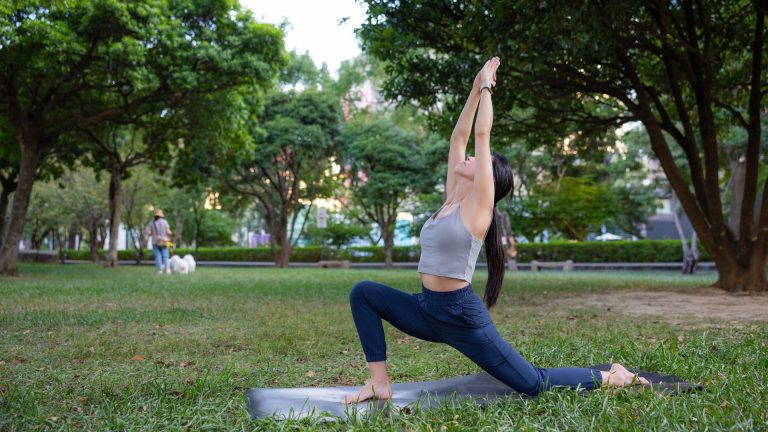
Yoga combines physical postures, controlled breathing, and relaxation. It strengthens the body while calming the mind.
Benefits of Yoga for Stress Relief
-
Reduces muscle tension
-
Enhances flexibility and posture
-
Improves breathing and energy levels
-
Promotes emotional balance
Helpful Yoga Poses for Stress Relief
-
Child’s Pose (Balasana)
-
Cat-Cow Pose (Marjariasana)
-
Legs-Up-the-Wall Pose (Viparita Karani)
-
Corpse Pose (Savasana)
Even 15–20 minutes of yoga daily can significantly lower stress levels.
Breathwork: Using Breath to Reduce Stress
Breathing exercises activate the parasympathetic nervous system, helping the body relax quickly.
Effective Breathing Techniques
-
Box Breathing (4-4-4-4 method)
-
4-7-8 breathing technique
-
Diaphragmatic breathing
These can be practiced anywhere for immediate relief.
Additional Natural Tips for Stress Reduction
Stay Physically Active
Regular exercise increases endorphins and boosts mood.
Eat a Balanced Diet
Healthy nutrition directly supports mental well-being.
Connect with Loved Ones
Social bonding helps release emotional stress.
Prioritize Good Sleep
Adequate rest helps the mind recover from daily stress.
Mindfulness, meditation, and yoga provide a powerful, natural approach to reducing stress. With consistent practice, they enhance emotional well-being, improve focus, and bring long-term peace and balance.
Start with a few minutes each day and gradually build these habits into your routine to experience meaningful, lasting relief.

Make this guide useful
How to put Natural Ways to Reduce Stress — Mindfulness, Meditation & Yoga: A Natural Approach to Stress Relief into practice
Use this article as a focused starting point for exploring Reduce Stress. Read the ideas in the context of your own routine, priorities and available resources; the most useful change is usually the one you can return to consistently.
Start with one clear intention
Before trying everything at once, decide what you want this guide to help with. Write down one small, realistic action connected to “Natural Ways to Reduce Stress — Mindfulness, Meditation & Yoga: A Natural Approach to Stress Relief”, choose when you will try it, and notice what makes it easier or harder to continue.
Use a simple check-in
Give yourself enough time to observe rather than judge. A short note about what you tried, how it fitted into your day and what you would adjust next time can turn general advice into a routine that feels personal and sustainable.
Questions to take with you
- Which part of Reduce Stress feels most relevant to my current routine?
- What is the smallest version of this idea I could try this week?
- What would help me keep the change practical, enjoyable and consistent?
Wellness information is for general education and is not a substitute for personalised medical advice. If you have symptoms, a diagnosis, take medication, are pregnant or have a health concern, speak with a qualified healthcare professional before making significant changes.
Further reading