In brief
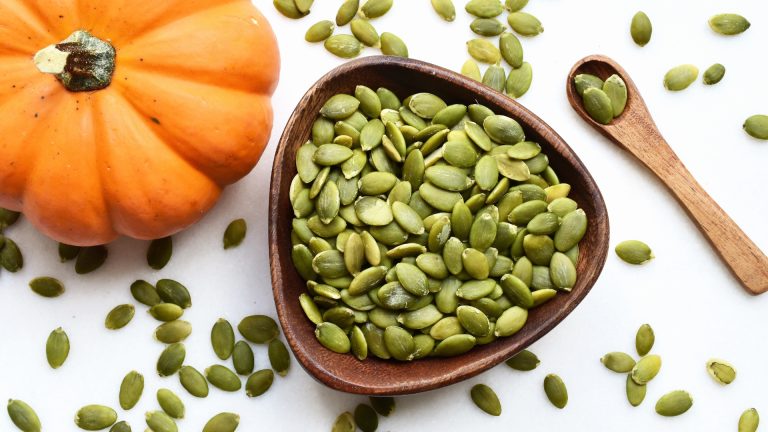
Pumpkin seeds, also known as pepitas, are tiny but mighty nutritional powerhouses. Packed with essential nutrients, they offer a wide range of health benefits that make them a smart addition to your daily diet. In this post, we’ll explore the top health…
Pumpkin seeds, also known as pepitas, are tiny but mighty nutritional powerhouses. Packed with essential nutrients, they offer a wide range of health benefits that make them a smart addition to your daily diet.
In this post, we’ll explore the top health benefits of pumpkin seeds, how to consume them, their nutritional profile, and some important tips to maximize their health value.
Table of Contents
Nutritional Profile of Pumpkin Seeds
Pumpkin seeds are rich in:
-
Protein
-
Healthy fats (including omega-3 and omega-6)
-
Magnesium
-
Zinc
-
Iron
-
Antioxidants
-
Fiber
Just a handful (about 28 grams or 1 ounce) of raw pumpkin seeds contains:
-
150 calories
-
7 grams of protein
-
13 grams of healthy fat
-
1.7 grams of fiber
-
37% of daily magnesium
-
23% of daily iron
-
14% of daily zinc
Top 10 Health Benefits of Pumpkin Seeds
1. Supports Heart Health
The high magnesium and antioxidant content help regulate blood pressure and reduce bad cholesterol (LDL), promoting a healthier heart.
2. Improves Sleep Quality
Pumpkin seeds contain tryptophan, an amino acid that helps improve sleep. The zinc in seeds helps convert tryptophan into serotonin and then melatonin, aiding restful sleep.
3. Boosts Immunity
Zinc and vitamin E present in pumpkin seeds strengthen the immune system and fight off infections.
4. Rich in Antioxidants
These seeds are packed with antioxidants like carotenoids and vitamin E, which help reduce inflammation and protect cells from damage.
5. Helps Regulate Blood Sugar
Pumpkin seeds may help control blood sugar levels, making them beneficial for people with diabetes or those at risk.
6. Improves Prostate and Bladder Health
Pumpkin seed oil has been shown to improve symptoms of benign prostatic hyperplasia (BPH) and support overall bladder function.
7. Aids in Weight Management
High in protein and fiber, pumpkin seeds help keep you full longer, reducing hunger cravings and supporting weight loss goals.
8. Supports Bone Health
The magnesium content plays a crucial role in maintaining bone density and preventing osteoporosis.
9. Enhances Skin and Hair Health
The presence of omega-3 fatty acids and vitamin E helps nourish skin and improve hair strength and shine.
10. Natural Mood Booster
The zinc, magnesium, and tryptophan in pumpkin seeds support brain function and may help reduce symptoms of anxiety and depression.
How to Eat Pumpkin Seeds
-
Eat them raw or roasted as a snack
-
Sprinkle over salads or soups
-
Add to smoothies or oatmeal
-
Mix into yogurt or granola
-
Use pumpkin seed butter as a healthy spread
Precautions
-
Avoid salted or flavored versions with added preservatives.
-
Stick to moderate portions – about a handful per day.
-
Store them in an airtight container in a cool, dark place to retain freshness.
So, how healthy are pumpkin seeds? Extremely! These small seeds deliver big health benefits — from heart and brain health to better sleep and immune support. Whether you’re vegan, keto, or simply health-conscious, adding pumpkin seeds to your diet is a smart and simple move.

Make this guide useful
How to put Pumpkin Seeds: How Healthy Are They? into practice
Use this article as a focused starting point for exploring Pumpkin Seeds. Read the ideas in the context of your own routine, priorities and available resources; the most useful change is usually the one you can return to consistently.
Start with one clear intention
Before trying everything at once, decide what you want this guide to help with. Write down one small, realistic action connected to “Pumpkin Seeds: How Healthy Are They?”, choose when you will try it, and notice what makes it easier or harder to continue.
Use a simple check-in
Give yourself enough time to observe rather than judge. A short note about what you tried, how it fitted into your day and what you would adjust next time can turn general advice into a routine that feels personal and sustainable.
Questions to take with you
- Which part of Pumpkin Seeds feels most relevant to my current routine?
- What is the smallest version of this idea I could try this week?
- What would help me keep the change practical, enjoyable and consistent?
Continue exploring Pumpkin Seeds
Browse all Pumpkin Seeds articlesFurther reading