In brief
Rock salt, also known as sendha namak or halite, is a natural crystalline form of salt that is mined directly from ancient salt deposits. Unlike regular table salt, it is usually unrefined, free from additives, and rich in minerals like calcium, magnesium,…
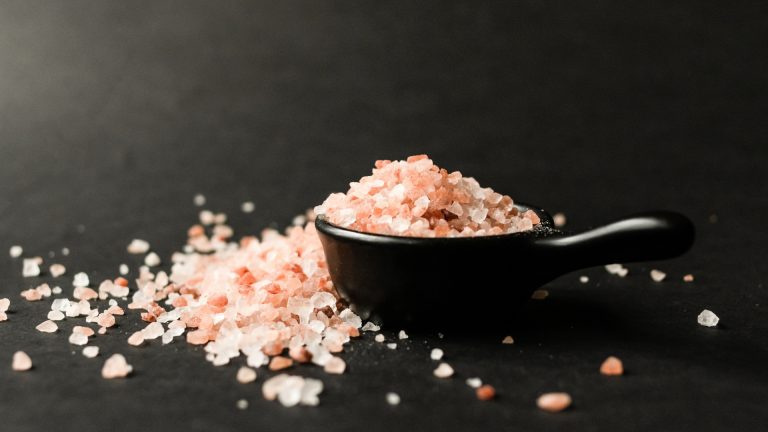
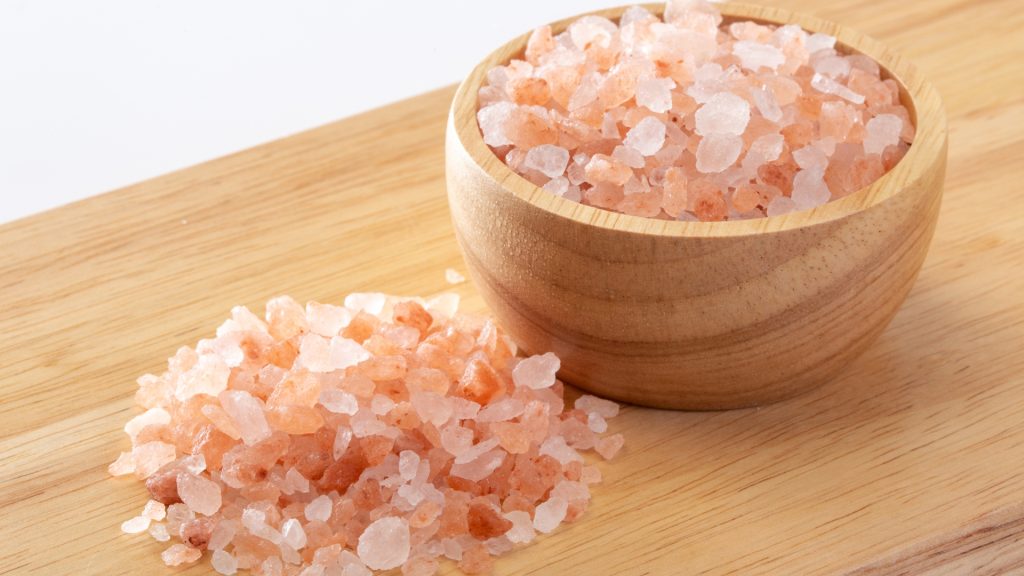
Rock salt, also known as sendha namak or halite, is a natural crystalline form of salt that is mined directly from ancient salt deposits. Unlike regular table salt, it is usually unrefined, free from additives, and rich in minerals like calcium, magnesium, and potassium. For centuries, it has been used in traditional wellness practices, Ayurvedic remedies, and cleansing rituals.
Table of Contents
Why People Use Rock Salt for Detox
Many wellness enthusiasts swear by rock salt for detoxing because of its mineral content and natural purity. They believe that it helps:
-
Flush toxins from the body
-
Restore electrolyte balance
-
Support digestion and metabolism
-
Provide a gentle cleansing effect on the skin and organs
In holistic traditions, rock salt is also seen as an energy balancer, used in salt baths or as a cleansing scrub.
Science vs. Tradition: Does It Really Work?
From a scientific standpoint, there’s limited direct evidence that rock salt “detoxifies” the body in the way detox diets claim. However, minerals like magnesium and potassium are known to support healthy cellular functions, hydration, and digestion.
While detox claims may be overstated, incorporating rock salt in moderation could contribute to overall wellness. Traditional systems like Ayurveda emphasize its role in balancing doshas and improving digestion.
Ways to Use Rock Salt for Detoxing
-
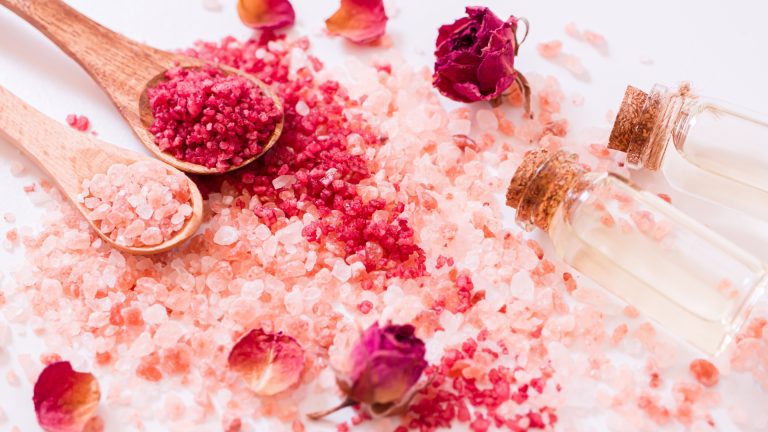
Rock Salt Bath Soak – Dissolving it in warm bath water may help soothe muscles and reduce stress.
-
Rock Salt Scrub – Exfoliates skin, removes impurities, and improves circulation.
-
Salt Water Gargle – Helps cleanse the throat and fight infections.
-
Cooking Substitute – Used in place of table salt for a mineral-rich diet.
-
Rock Salt Lamps – Popular in wellness spaces, believed to purify air (though not strongly backed by science).
Potential Health Benefits of Rock Salt
-
Supports hydration and electrolyte balance
-
May improve digestion and nutrient absorption
-
Promotes relaxation and stress relief in baths
-
Gentle exfoliant for glowing skin
-
May help ease respiratory discomfort when inhaled as steam
Precautions and Side Effects
-
Overuse can be harmful – Excess salt intake, even rock salt, may raise blood pressure.
-
Not a miracle detox – It supports wellness but should not replace medical treatments.
-
Skin sensitivity – Direct scrubs may irritate sensitive skin.
-
Consult a doctor if you have kidney, heart, or blood pressure issues before increasing salt intake.
Should You Try Rock Salt Detox?
If you’re looking for a natural way to add minerals to your diet or enhance self-care routines like baths and scrubs, rock salt can be a safe option in moderation. However, don’t rely on it as a magic detox cure—it’s best seen as a supportive wellness tool rather than a medical solution.
Rock salt has a long history in traditional wellness, and while its detox powers may be exaggerated, it can still offer real benefits for hydration, digestion, and relaxation. Whether you add it to your meals, baths, or skincare, it’s a simple way to connect with nature’s minerals—just remember, moderation is key.

Make this guide useful
How to put Rock Salt Detox: Why So Many People Swear by It into practice
Use this article as a focused starting point for exploring Salt. Read the ideas in the context of your own routine, priorities and available resources; the most useful change is usually the one you can return to consistently.
Start with one clear intention
Before trying everything at once, decide what you want this guide to help with. Write down one small, realistic action connected to “Rock Salt Detox: Why So Many People Swear by It”, choose when you will try it, and notice what makes it easier or harder to continue.
Use a simple check-in
Give yourself enough time to observe rather than judge. A short note about what you tried, how it fitted into your day and what you would adjust next time can turn general advice into a routine that feels personal and sustainable.
Questions to take with you
- Which part of Salt feels most relevant to my current routine?
- What is the smallest version of this idea I could try this week?
- What would help me keep the change practical, enjoyable and consistent?
Further reading