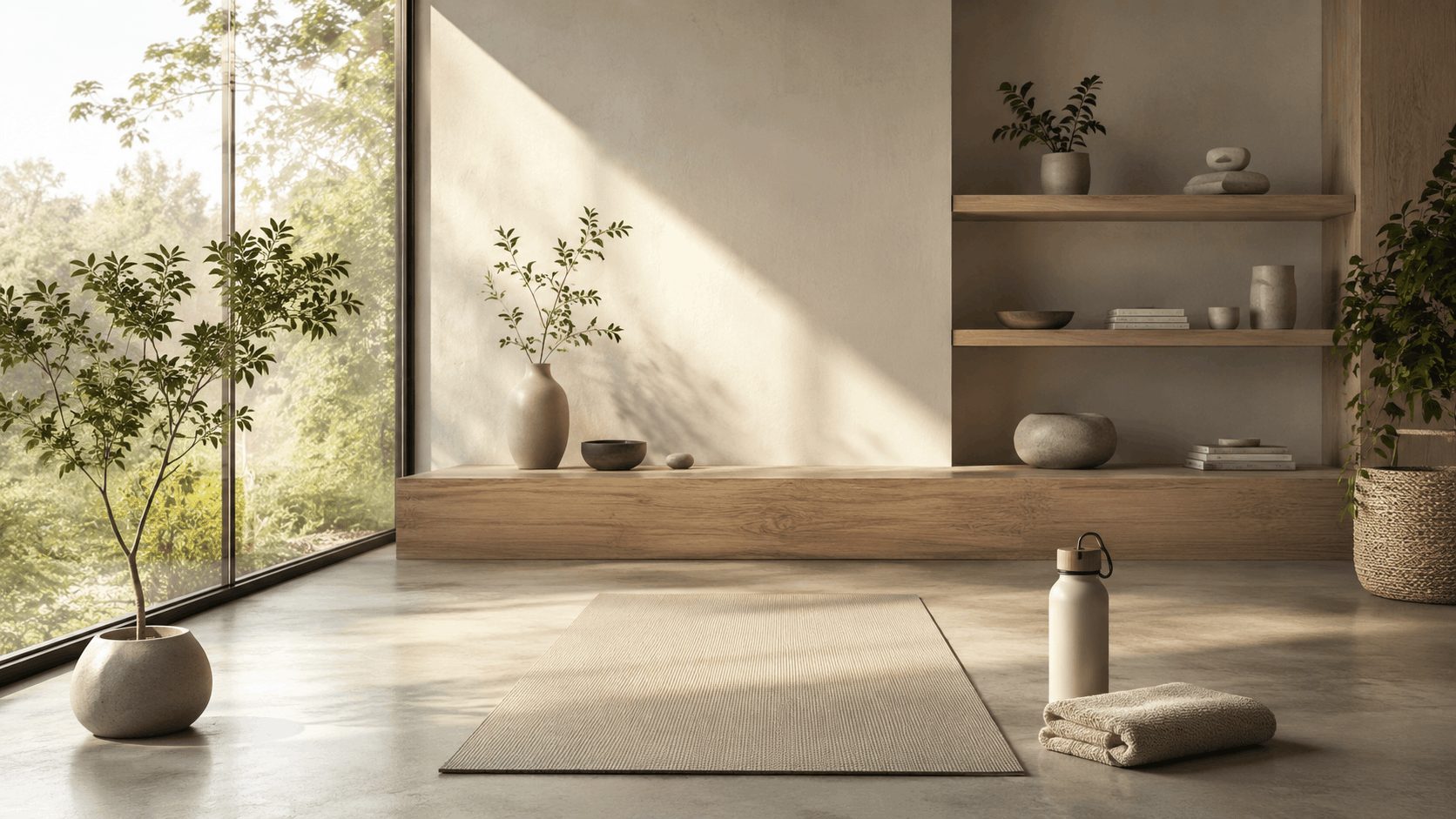
In recent years, wellness has become a major focus for people seeking healthier and more balanced lives. However, many individuals have started to feel overwhelmed by complicated wellness routines, expensive products, and endless health trends. As a result, a new approach has emerged in 2026: the Minimalist Wellness Movement.
This growing movement encourages people to focus on simple, sustainable habits that support physical, mental, and emotional well-being without unnecessary complexity. Instead of constantly adding new routines, minimalist wellness emphasizes doing less but doing it consistently.
The movement is gaining popularity because it helps people achieve better health while reducing stress, decision fatigue, and lifestyle overwhelm.
What Is the Minimalist Wellness Movement?
The Minimalist Wellness Movement is a lifestyle approach that focuses on simplifying health and wellness practices.
Rather than following complicated routines, people prioritize essential habits such as:
- Quality sleep
- Balanced nutrition
- Regular movement
- Stress management
- Mindful living
The philosophy centers on the belief that long-term wellness comes from consistency and simplicity rather than perfection.
Minimalist wellness encourages individuals to identify the habits that truly improve their lives and eliminate distractions that add unnecessary stress.
Why the Trend Is Growing in 2026
Several factors have contributed to the rapid growth of minimalist wellness.
These include:
- Wellness fatigue
- Information overload
- Rising stress levels
- Digital distractions
- Busy lifestyles
Many people feel overwhelmed by the pressure to follow countless health trends and wellness recommendations.
The minimalist wellness movement offers a refreshing alternative by focusing on practical habits that are easy to maintain.
As people seek more balance and simplicity, this approach continues to attract attention worldwide.
The Connection Between Simplicity and Well-Being
Research and personal experiences increasingly show that simplicity can positively affect overall well-being.
Simplifying daily routines may help:
- Reduce mental clutter
- Improve focus
- Lower stress levels
- Increase life satisfaction
When people spend less time managing unnecessary commitments and distractions, they often have more energy for meaningful activities.
This sense of balance contributes to improved emotional wellness and overall happiness.
Focus on Essential Wellness Habits
Minimalist wellness encourages people to focus on a small number of high-impact habits.
Examples include:
- Getting adequate sleep
- Staying physically active
- Eating nutritious foods
- Drinking enough water
- Managing stress effectively
These foundational habits provide significant health benefits without requiring complex wellness programs.
By mastering the basics, individuals often achieve better results than constantly chasing new trends.
Reducing Wellness Overload
One of the biggest benefits of minimalist wellness is reducing the pressure associated with modern self-improvement culture.
Many people feel they must:
- Follow multiple diets
- Purchase expensive supplements
- Try every wellness trend
- Maintain perfect routines
Minimalist wellness challenges this mindset by encouraging intentional choices.
The goal is to create sustainable habits rather than pursue unrealistic standards.
This shift often leads to greater confidence and long-term consistency.
Digital Wellness and Mindful Living
Technology can be both helpful and overwhelming. The minimalist wellness movement often includes mindful technology use as part of a healthy lifestyle.
Helpful practices include:
- Limiting unnecessary screen time
- Reducing social media consumption
- Creating device-free periods
- Practicing digital mindfulness
These habits help reduce distractions and improve mental clarity.
Many people find that simplifying their digital environment improves focus and emotional well-being.
The Importance of Rest and Recovery
Rest is a core principle of minimalist wellness.
Rather than glorifying constant productivity, the movement recognizes the importance of recovery for long-term health.
Healthy recovery habits include:
- Quality sleep
- Relaxation time
- Nature exposure
- Mindfulness practices
Rest allows the body and mind to recharge, helping individuals maintain energy and resilience.
Many wellness experts now consider recovery as important as exercise and nutrition.
Building Sustainable Healthy Habits
Minimalist wellness emphasizes consistency over intensity.
Instead of making dramatic lifestyle changes, people focus on small habits they can maintain long term.
Examples include:
- Taking daily walks
- Preparing simple healthy meals
- Practicing gratitude
- Maintaining a regular sleep schedule
Small habits often create lasting results because they are easier to integrate into everyday life.
Sustainability is one of the main reasons the movement continues to grow.
Benefits of the Minimalist Wellness Movement
People who embrace minimalist wellness often experience:
- Reduced stress
- Better mental clarity
- Improved work-life balance
- Greater consistency with healthy habits
- Increased overall well-being
The movement encourages individuals to focus on what truly supports their health rather than becoming distracted by unnecessary complexity.
This balanced approach makes wellness feel more achievable and enjoyable.
Common Mistakes to Avoid
- Believing minimalist wellness means doing nothing
- Expecting instant results
- Eliminating healthy habits that genuinely help
- Comparing your wellness journey to others
- Trying to simplify everything at once
Minimalist wellness is about intentional choices, not extreme restriction.
The goal is to create a lifestyle that feels manageable, effective, and sustainable.
The New Minimalist Wellness Movement Explained highlights a growing shift toward simplicity, balance, and intentional living. As people become increasingly overwhelmed by information overload and complicated wellness trends, many are discovering the value of focusing on the basics.
By prioritizing essential habits, reducing unnecessary distractions, and creating sustainable routines, individuals can improve their physical health, mental well-being, and overall quality of life. In 2026, minimalist wellness is proving that sometimes the simplest approach is the most effective path to long-term health and happiness.

References