In brief
For centuries, spices have been used not just to flavor food but also to heal the body. Among them, one ancient spice has drawn particular attention for its role in controlling blood sugar: cinnamon. Revered in Ayurvedic and Chinese medicine, cinnamon has…
For centuries, spices have been used not just to flavor food but also to heal the body. Among them, one ancient spice has drawn particular attention for its role in controlling blood sugar: cinnamon. Revered in Ayurvedic and Chinese medicine, cinnamon has long been recognized for its ability to balance energy, improve digestion, and support overall wellness. Today, modern science is confirming what ancient healers already knew—that cinnamon may be one of the most powerful natural allies in managing blood sugar.
Table of Contents
The Science Behind Cinnamon and Blood Sugar
Cinnamon contains bioactive compounds such as cinnamaldehyde, polyphenols, and flavonoids that influence how the body processes sugar. Research shows that cinnamon may:
-
Increase insulin sensitivity – helping the body use insulin more effectively.
-
Lower blood sugar spikes after meals – by slowing down the breakdown of carbohydrates.
-
Improve glucose metabolism – supporting better balance of sugar in the bloodstream.
These effects make cinnamon particularly promising for people dealing with prediabetes, insulin resistance, or type 2 diabetes.
Proven Health Benefits of Cinnamon
1. Helps Lower Fasting Blood Sugar
Studies suggest that consuming cinnamon daily may reduce fasting blood sugar levels by improving how cells respond to insulin.
2. Reduces Risk of Type 2 Diabetes
By lowering blood sugar spikes and improving insulin function, cinnamon may help reduce the long-term risk of developing diabetes.
3. Improves Heart Health Alongside Sugar Control
High blood sugar often leads to cardiovascular issues. Cinnamon not only supports balanced glucose but may also lower cholesterol and triglycerides, reducing overall heart disease risk.
4. Powerful Antioxidant and Anti-Inflammatory Effects
Cinnamon is packed with antioxidants, which reduce oxidative stress—a key contributor to diabetes complications and chronic illness.
5. May Aid in Weight Management
Balanced blood sugar levels help control cravings and reduce overeating, which supports healthy weight management.
How to Use Cinnamon for Better Blood Sugar
-
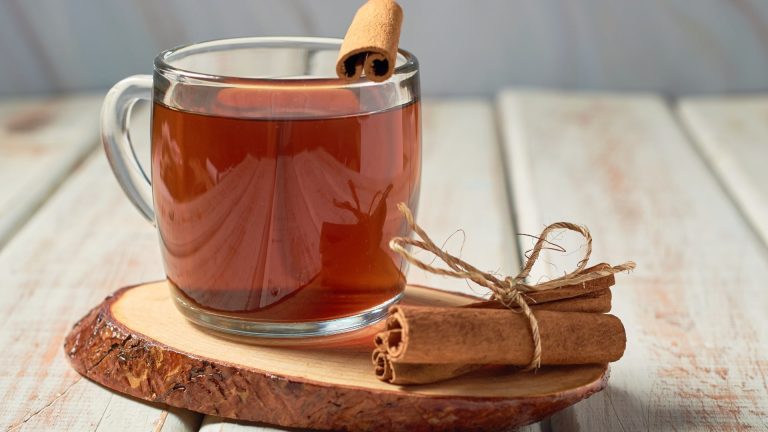
Morning Routine: Add half a teaspoon of cinnamon powder to warm water or herbal tea.
-
In Meals: Sprinkle on oatmeal, smoothies, or yogurt for a sweet, healthy boost.
-
Cooking: Use in curries, baked goods, or roasted vegetables.
-
Supplements: Cinnamon capsules are available, but dosage should be discussed with a healthcare provider.
Precautions & Things to Know
-
Cassia vs. Ceylon Cinnamon:
-
Cassia cinnamon (common and cheaper) contains higher levels of coumarin, which may cause liver issues in large amounts.
-
Ceylon cinnamon (true cinnamon) is safer for long-term use.
-
-
Dosage: Most studies recommend ½ to 1 teaspoon per day.
-
Interactions: Cinnamon may interact with diabetes medications, causing blood sugar to drop too low. Always consult your doctor before regular use.
Cinnamon is more than a spice—it’s a natural health booster with a rich history in traditional medicine. Ancient healers valued it for its warming energy and healing power, while modern research reveals its potential to regulate blood sugar and improve overall health.
It may not be a magic cure, but when combined with a healthy diet and lifestyle, cinnamon could very well be the key to better blood sugar and long-term wellness.
Takeaway: Sprinkle a little cinnamon into your daily routine—it might be the sweetest step toward healthier blood sugar.

Make this guide useful
How to put This Ancient Spice Might Be the Key to Better Blood Sugar into practice
Use this article as a focused starting point for exploring Cinnamon. Read the ideas in the context of your own routine, priorities and available resources; the most useful change is usually the one you can return to consistently.
Start with one clear intention
Before trying everything at once, decide what you want this guide to help with. Write down one small, realistic action connected to “This Ancient Spice Might Be the Key to Better Blood Sugar”, choose when you will try it, and notice what makes it easier or harder to continue.
Use a simple check-in
Give yourself enough time to observe rather than judge. A short note about what you tried, how it fitted into your day and what you would adjust next time can turn general advice into a routine that feels personal and sustainable.
Questions to take with you
- Which part of Cinnamon feels most relevant to my current routine?
- What is the smallest version of this idea I could try this week?
- What would help me keep the change practical, enjoyable and consistent?
Further reading