In brief
Garlic has been used for centuries—not just as a flavor booster but as a natural medicine. Packed with allicin, antioxidants, and sulfur compounds, garlic has the potential to fight infections, reduce inflammation, and even support heart health. But here’s the catch: how…
Garlic has been used for centuries—not just as a flavor booster but as a natural medicine. Packed with allicin, antioxidants, and sulfur compounds, garlic has the potential to fight infections, reduce inflammation, and even support heart health. But here’s the catch: how you cook garlic can either preserve these compounds—or destroy them completely.
Table of Contents
- Why Garlic Is More Than Just a Spice
- The Common Mistakes Everyone Makes While Cooking Garlic
- The Science Behind Garlic’s Power
- How to Cook Garlic the Right Way
- Raw vs. Cooked Garlic: What’s the Difference?
- The Before & After Benefits of Cooking Garlic Correctly
- Tips to Maximize Garlic’s Health Benefits
The Common Mistakes Everyone Makes While Cooking Garlic
Most of us are guilty of one (or all) of these mistakes:
-
Adding garlic too early to hot oil – it burns quickly, turning bitter.
-
Overcooking garlic – heat destroys allicin, the compound responsible for most health benefits.
-
Not crushing or chopping it first – garlic must be broken down to activate allicin.
-
Cooking it for too long – extended heat reduces both flavor and nutrition.
The Science Behind Garlic’s Power
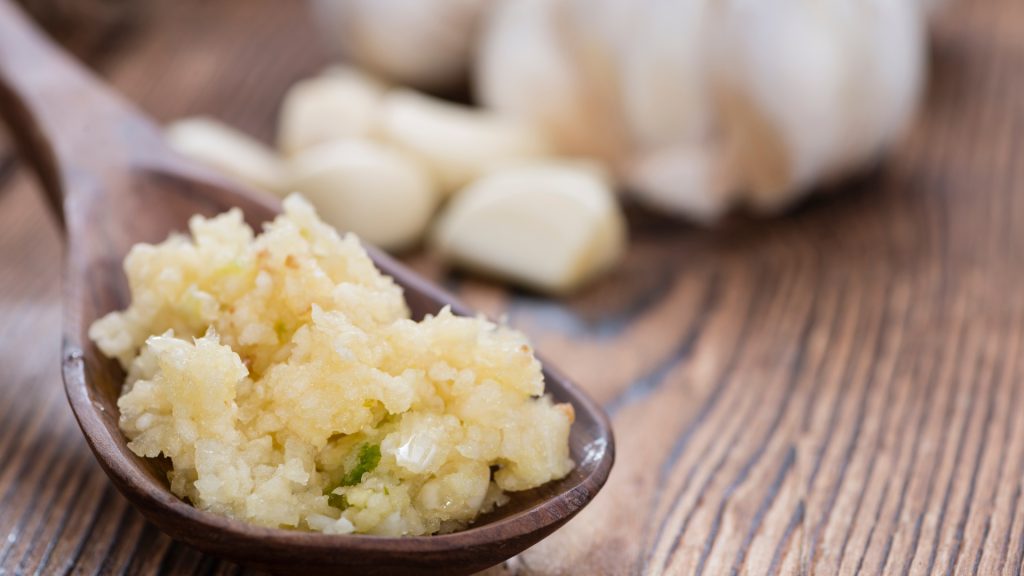
Garlic’s real magic lies in a compound called allicin, released when garlic is chopped, crushed, or chewed. But allicin is heat-sensitive. If garlic is tossed directly into a hot pan, most of its benefits vanish before it even hits your plate. Scientists recommend letting chopped garlic “rest” for 10 minutes before cooking—this allows the enzymes to fully activate allicin.
How to Cook Garlic the Right Way
If you want both flavor and health benefits, here’s the secret:
-
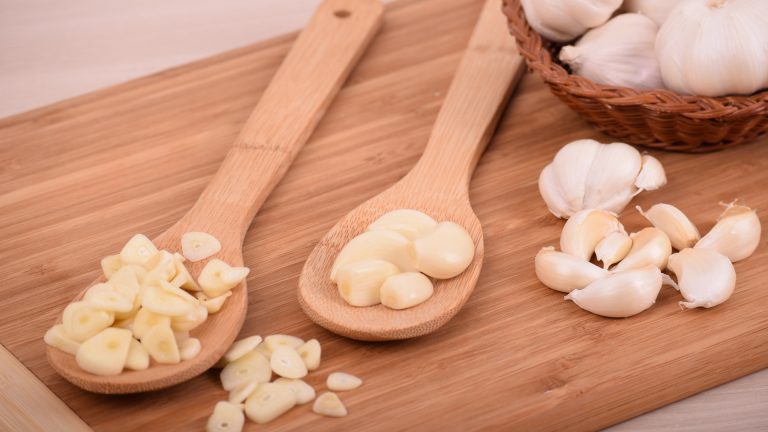
Chop or crush garlic first.
-
Let it sit for 8–10 minutes.
-
Add it at the end of cooking, not the beginning.
-
Cook on low heat or stir into warm dishes rather than frying it hard.
This way, garlic retains its medicinal properties while still enhancing taste.
Raw vs. Cooked Garlic: What’s the Difference?
-
Raw Garlic: Strong antibacterial, antiviral, and anti-inflammatory properties. Great for immunity but harsh on the stomach.
-
Cooked Garlic: Softer on digestion, still flavorful, but loses some of its potent compounds.
-
Best Method: Lightly sautéed or added raw in dressings, dips, or after cooking.
The Before & After Benefits of Cooking Garlic Correctly
Before correcting my cooking habits, garlic was just a flavor base. But once I started crushing, resting, and lightly cooking it:
-
My dishes had a richer, deeper flavor.
-
I noticed fewer colds during the season.
-
Digestion felt lighter, less bloating.
-
Energy levels improved, possibly due to its immune-boosting effects.
Tips to Maximize Garlic’s Health Benefits
-
Eat 1–2 cloves raw or lightly cooked daily.
-
Pair garlic with healthy fats like olive oil to absorb antioxidants better.
-
Add garlic at the end of cooking soups, curries, or sauces.
-
Store fresh garlic bulbs in a cool, dry place to preserve potency.
You’ve probably been cooking garlic wrong your whole life—burning away its best compounds before they had a chance to work. By simply chopping, resting, and cooking gently, you unlock garlic’s full power.

Make this guide useful
How to put Why Garlic Is More Than Just a Spice into practice
Use this article as a focused starting point for exploring Garlic. Read the ideas in the context of your own routine, priorities and available resources; the most useful change is usually the one you can return to consistently.
Start with one clear intention
Before trying everything at once, decide what you want this guide to help with. Write down one small, realistic action connected to “Why Garlic Is More Than Just a Spice”, choose when you will try it, and notice what makes it easier or harder to continue.
Use a simple check-in
Give yourself enough time to observe rather than judge. A short note about what you tried, how it fitted into your day and what you would adjust next time can turn general advice into a routine that feels personal and sustainable.
Questions to take with you
- Which part of Garlic feels most relevant to my current routine?
- What is the smallest version of this idea I could try this week?
- What would help me keep the change practical, enjoyable and consistent?
Further reading