In brief
Winter brings cold weather, shorter days, and a higher risk of infections like cold, cough, flu, and seasonal fatigue. During this time, the immune system needs extra support to fight viruses and bacteria. A balanced diet rich in immunity-boosting foods plays a…
Winter brings cold weather, shorter days, and a higher risk of infections like cold, cough, flu, and seasonal fatigue. During this time, the immune system needs extra support to fight viruses and bacteria. A balanced diet rich in immunity-boosting foods plays a crucial role in maintaining overall health during winter.
This article explains the best winter immunity foods and practical diet tips to help you stay strong and healthy naturally.
Table of Contents
Why Immunity Becomes Weak in Winter
During winter, reduced sunlight lowers vitamin D levels, digestion becomes slower, and people tend to consume more processed and comfort foods. Cold weather can also increase stress levels and reduce physical activity. All these factors together weaken immunity, making the body more vulnerable to infections.
Best Winter Immunity Foods
Citrus Fruits
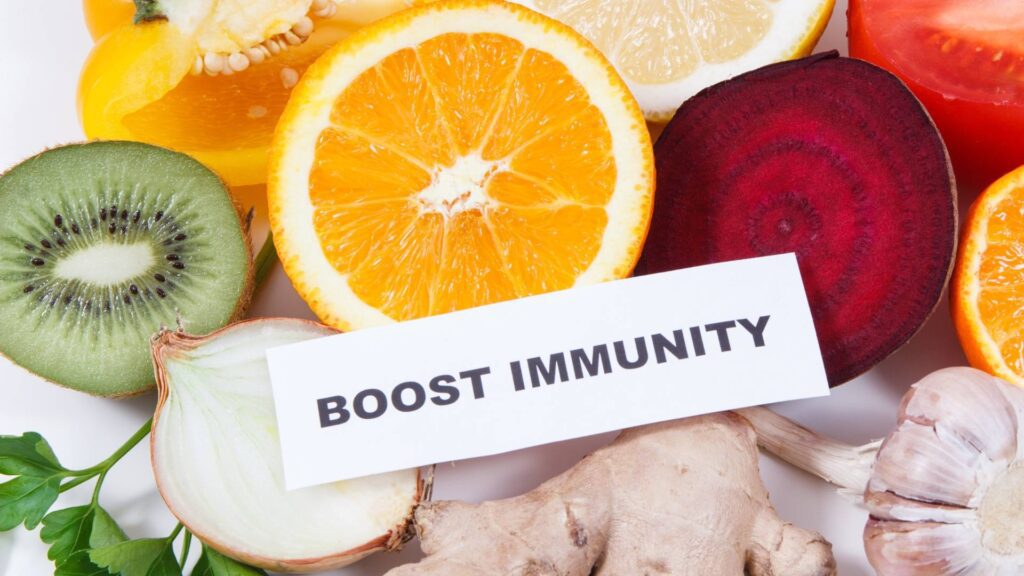
Oranges, lemons, sweet lime, and grapefruit are rich in vitamin C, which helps increase white blood cell production. Vitamin C strengthens the body’s natural defense system and helps fight infections.
Ginger
Ginger has powerful anti-inflammatory and antibacterial properties. It helps improve digestion, reduce throat infections, and keep the body warm during winter.
Garlic
Garlic contains sulfur compounds that enhance immune cell function. Regular consumption of garlic helps reduce the severity and duration of colds and flu.
Turmeric
Turmeric is well known for its immunity-boosting and anti-inflammatory properties. Curcumin, the active compound in turmeric, helps the body fight infections and supports overall immunity.
Green Leafy Vegetables
Spinach, fenugreek, mustard greens, and kale are rich in vitamins A, C, and E, along with antioxidants. These nutrients support immune health and improve digestion in winter.
Nuts and Seeds
Almonds, walnuts, pumpkin seeds, sunflower seeds, and flaxseeds provide healthy fats, zinc, and vitamin E. These nutrients help strengthen the immune response and keep the body energized.
Yogurt and Fermented Foods
Yogurt, curd, and fermented foods contain probiotics that support gut health. A healthy gut is directly linked to a strong immune system.
Seasonal Vegetables
Carrots, beetroot, sweet potatoes, and radishes are rich in antioxidants and fiber. They help detoxify the body and improve immunity during cold months.
Winter Diet Tips to Boost Immunity
Eat Warm and Freshly Cooked Foods
Warm foods are easier to digest in winter and help maintain body temperature. Soups, stews, herbal teas, and cooked vegetables are ideal choices.
Stay Hydrated
People often drink less water in winter, which can weaken immunity. Drink warm water, herbal teas, and soups to keep the body hydrated.
Include Healthy Fats
Healthy fats from ghee, olive oil, nuts, and seeds support immune cell function and keep joints healthy in cold weather.
Avoid Excess Sugar and Processed Foods
High sugar intake weakens immune response and increases inflammation. Limiting processed foods helps maintain better immunity.
Maintain Regular Meal Timings
Skipping meals or irregular eating can disturb digestion and immunity. Eating balanced meals at regular intervals supports overall health.
Importance of Lifestyle Along with Diet
Along with immunity-boosting foods, proper sleep, regular physical activity, stress management, and adequate sunlight exposure are essential. Morning sunlight helps maintain vitamin D levels, which play a key role in immune health.
Winter immunity depends largely on the foods you eat and your daily habits. Including seasonal fruits, vegetables, spices, nuts, and fermented foods in your diet can significantly strengthen your immune system. By following these winter immunity foods and diet tips, you can protect yourself from seasonal illnesses and maintain good health throughout the cold season.

Make this guide useful
How to put Winter Immunity Foods and Diet Tips: Best Natural Ways to Stay Healthy in Cold Season into practice
Use this article as a focused starting point for exploring cold. Read the ideas in the context of your own routine, priorities and available resources; the most useful change is usually the one you can return to consistently.
Start with one clear intention
Before trying everything at once, decide what you want this guide to help with. Write down one small, realistic action connected to “Winter Immunity Foods and Diet Tips: Best Natural Ways to Stay Healthy in Cold Season”, choose when you will try it, and notice what makes it easier or harder to continue.
Use a simple check-in
Give yourself enough time to observe rather than judge. A short note about what you tried, how it fitted into your day and what you would adjust next time can turn general advice into a routine that feels personal and sustainable.
Questions to take with you
- Which part of cold feels most relevant to my current routine?
- What is the smallest version of this idea I could try this week?
- What would help me keep the change practical, enjoyable and consistent?
Wellness information is for general education and is not a substitute for personalised medical advice. If you have symptoms, a diagnosis, take medication, are pregnant or have a health concern, speak with a qualified healthcare professional before making significant changes.
Further reading