In brief
Good sleep is essential for overall health, especially during winter when shorter days and colder temperatures can affect energy levels, mood, and sleep quality. Practicing proper winter sleep hygiene can help regulate your body’s internal clock, reduce stress, and improve restful sleep…
Good sleep is essential for overall health, especially during winter when shorter days and colder temperatures can affect energy levels, mood, and sleep quality. Practicing proper winter sleep hygiene can help regulate your body’s internal clock, reduce stress, and improve restful sleep throughout the season. Here are effective strategies to support better sleep during winter.
Table of Contents
Maintain a Consistent Sleep Schedule
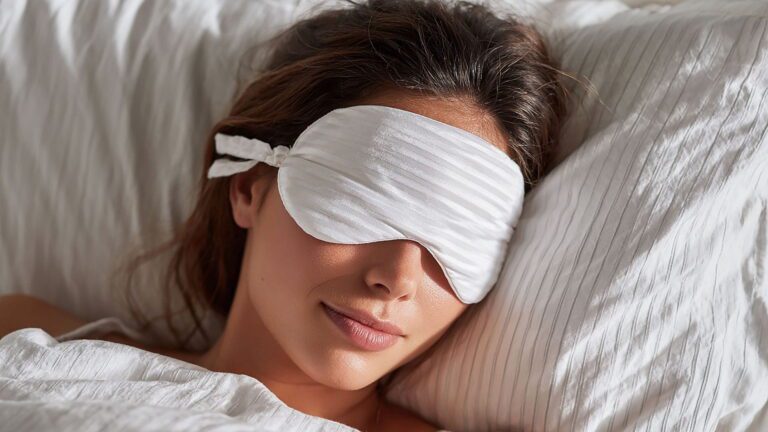
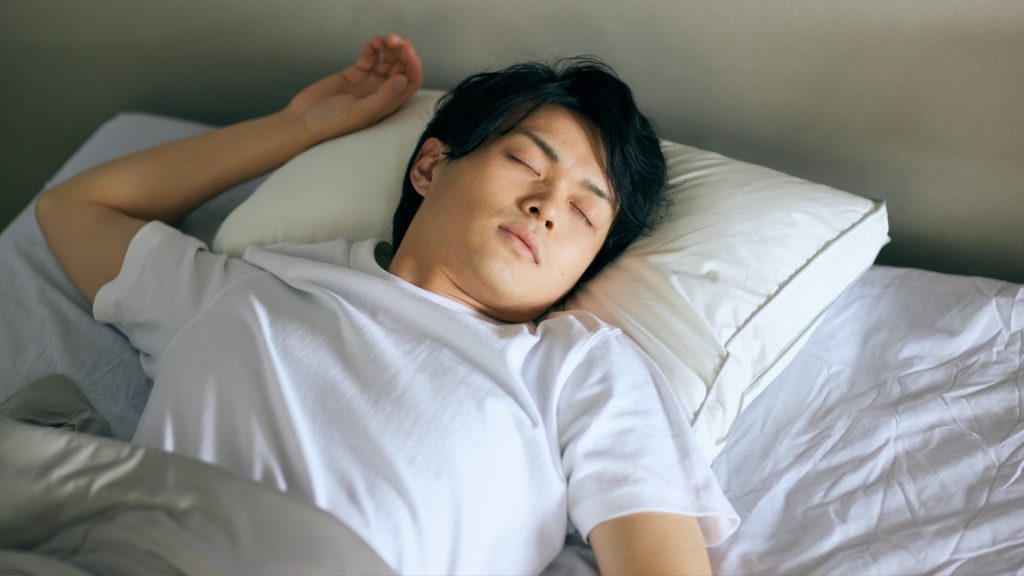
Winter days are shorter, which can disrupt the natural sleep-wake cycle. Going to bed and waking up at the same time every day helps keep your circadian rhythm stable.
How it helps
-
Enhances morning energy and alertness
-
Reduces grogginess and fatigue
Get Daytime Natural Light Exposure
Limited sunlight in winter can decrease melatonin balance and increase tiredness. Exposure to natural light, especially in the morning, supports the body’s sleep regulation.
Tips
-
Spend at least 15–30 minutes outdoors in daylight
-
Keep blinds open during the day
-
Sit near a window when working
Create a Warm and Comfortable Sleep Environment
A cozy bedroom environment helps signal the body that it is time to rest. Winter temperatures may cause discomfort that interrupts sleep.
Suggestions
-
Maintain room temperature between 18°C–20°C (64°F–68°F)
-
Use warm bedding and layered blankets
-
Wear breathable and comfortable sleepwear
Limit Screen Time Before Bed
Phones, laptops, and TVs emit blue light that interferes with melatonin production, making it harder to fall asleep.
Tips
-
Avoid screens at least 60 minutes before bedtime
-
Read a book or listen to calming music instead
-
Use night mode or blue-light filters if necessary
Stay Active During the Day
Cold weather may reduce physical activity, but movement is essential for mental well-being and restful sleep. Exercise helps relieve stress and stabilizes sleep patterns.
Benefits
-
Promotes deeper and more restful sleep
-
Reduces muscle tension and anxiety
-
Improves mood and overall energy levels
Enjoy Warm Sleep-Friendly Drinks
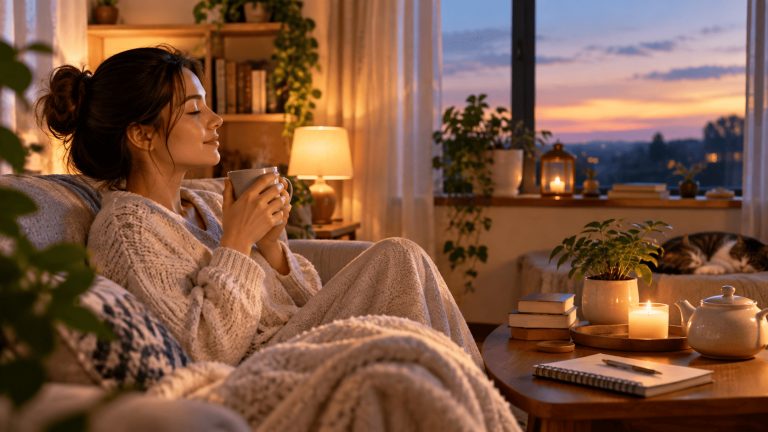
Certain warm drinks can relax the body and prepare it for sleep, especially during winter.
Examples
-
Herbal teas such as chamomile, lavender, or peppermint
-
Warm milk or turmeric milk
Avoid caffeinated drinks in the evening, as they can disrupt sleep.
Follow a Relaxing Bedtime Routine
Establishing a calming routine helps signal your mind to slow down before bed.
Ideas
-
Light stretching or gentle yoga
-
Deep breathing exercises or meditation
-
Warm bath or shower before sleep
Winter sleep hygiene is about creating healthy habits that support restful and consistent sleep during the colder months. By improving your sleep environment, maintaining a routine, and practicing relaxation techniques, you can boost immunity, improve mood, and feel energized throughout the winter season.

Make this guide useful
How to put Winter Sleep Hygiene: Tips for Better Rest During the Cold Season into practice
Use this article as a focused starting point for exploring Better Sleep. Read the ideas in the context of your own routine, priorities and available resources; the most useful change is usually the one you can return to consistently.
Start with one clear intention
Before trying everything at once, decide what you want this guide to help with. Write down one small, realistic action connected to “Winter Sleep Hygiene: Tips for Better Rest During the Cold Season”, choose when you will try it, and notice what makes it easier or harder to continue.
Use a simple check-in
Give yourself enough time to observe rather than judge. A short note about what you tried, how it fitted into your day and what you would adjust next time can turn general advice into a routine that feels personal and sustainable.
Questions to take with you
- Which part of Better Sleep feels most relevant to my current routine?
- What is the smallest version of this idea I could try this week?
- What would help me keep the change practical, enjoyable and consistent?
Wellness information is for general education and is not a substitute for personalised medical advice. If you have symptoms, a diagnosis, take medication, are pregnant or have a health concern, speak with a qualified healthcare professional before making significant changes.
Further reading