In brief
Cinnamon is one of the oldest known spices, treasured for centuries for its flavor, aroma, and powerful health benefits. But here’s the shocking truth: most people are using cinnamon the wrong way—and missing out on its full potential. Table of Contents Not…
Cinnamon is one of the oldest known spices, treasured for centuries for its flavor, aroma, and powerful health benefits. But here’s the shocking truth: most people are using cinnamon the wrong way—and missing out on its full potential.
Table of Contents
Not All Cinnamon Is the Same
There are two main types of cinnamon:
-
Ceylon Cinnamon (True Cinnamon): Known as “real cinnamon,” it’s softer, sweeter, and packed with health benefits.
-
Cassia Cinnamon: More common and cheaper, but it contains high levels of coumarin, which can be harmful to the liver in large amounts.
👉 Most people buy Cassia thinking it’s the same as Ceylon. If you’re using cinnamon daily, switching to Ceylon is the smarter, safer choice.
Using It Just as a Sweetener
Many think of cinnamon as just a topping for desserts or coffee. But cinnamon is much more than a spice for sweets—it’s a medicinal powerhouse. It can:
-
Balance blood sugar levels
-
Improve insulin sensitivity
-
Fight inflammation
-
Boost metabolism
Instead of limiting it to cakes and cookies, try adding it to savory dishes like soups, curries, and even roasted vegetables.
Adding It at the Wrong Time While Cooking
Cinnamon’s delicate compounds break down when exposed to high heat for too long. Adding it early while cooking can reduce its flavor and health properties.
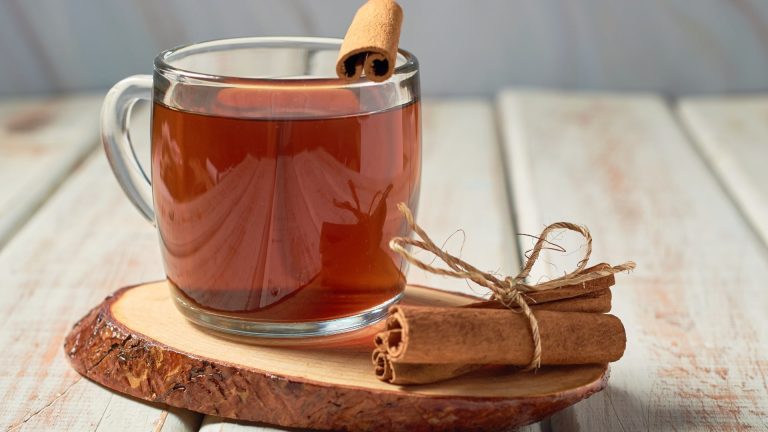
👉 Best practice: Sprinkle it near the end of cooking or use it in teas and warm drinks for maximum effect.
Using Only Ground Cinnamon
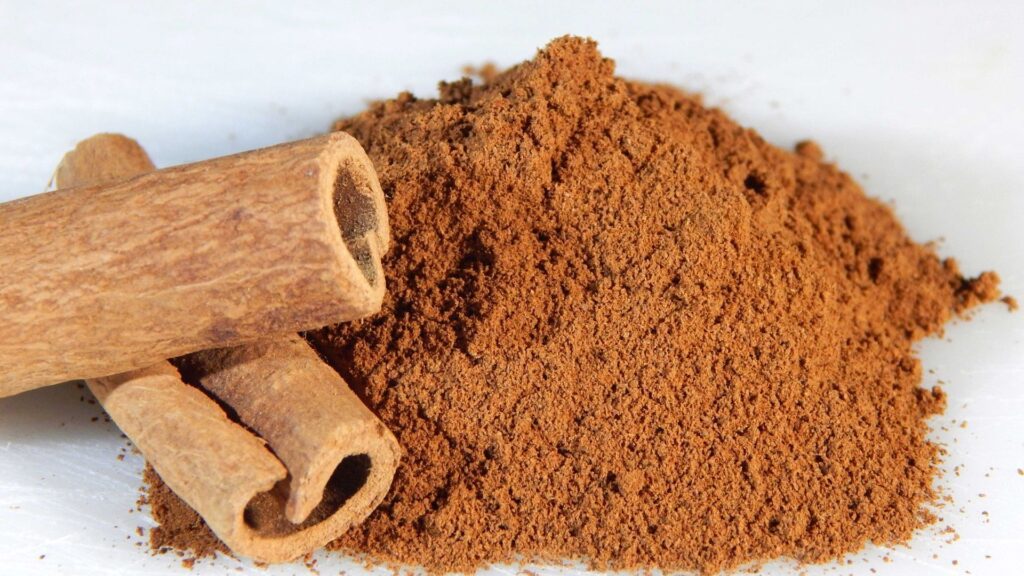
Ground cinnamon loses potency quickly. If it’s been sitting in your spice rack for months (or years), chances are it has lost much of its flavor and benefits.
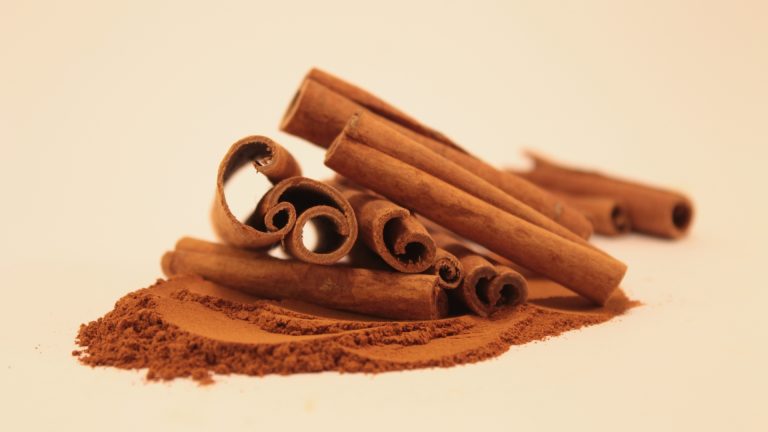
👉 Instead, buy cinnamon sticks (quills). They stay fresh longer, and you can grind small amounts as needed for maximum freshness.
Ignoring Its Medicinal Uses
For centuries, Ayurveda and Traditional Chinese Medicine used cinnamon for healing digestion issues, boosting immunity, and improving circulation. Today, modern science backs these claims.
-
Drinking cinnamon tea may reduce cholesterol.
-
A pinch of cinnamon with honey may help soothe sore throats.
-
Adding cinnamon to your morning smoothie may stabilize energy levels throughout the day.
Overusing Cinnamon Supplements
Some people rely on high-dose cinnamon supplements for health benefits, but this can backfire—especially with Cassia cinnamon. High coumarin levels may cause liver toxicity if consumed in excess.
👉 Use cinnamon naturally in your diet rather than depending on pills. If supplements are needed, choose ones made from Ceylon cinnamon.Forgetting to Pair It With the Right Foods
Cinnamon works best when paired with certain foods. For example:
-
Add it to oatmeal for better blood sugar control.
-
Mix it with turmeric and ginger for anti-inflammatory power.
-
Combine with honey for natural antibacterial effects.
Cinnamon isn’t just a spice—it’s nature’s medicine cabinet. But to unlock its full potential, you need to choose the right type, use it at the right time, and store it correctly.
So next time you sprinkle cinnamon on your coffee or dessert, remember: if you’re still using it the wrong way, you could be missing out on incredible health benefits.

Make this guide useful
How to put You’ve Been Using Cinnamon Wrong This Whole Time into practice
Use this article as a focused starting point for exploring Cinnamon. Read the ideas in the context of your own routine, priorities and available resources; the most useful change is usually the one you can return to consistently.
Start with one clear intention
Before trying everything at once, decide what you want this guide to help with. Write down one small, realistic action connected to “You’ve Been Using Cinnamon Wrong This Whole Time”, choose when you will try it, and notice what makes it easier or harder to continue.
Use a simple check-in
Give yourself enough time to observe rather than judge. A short note about what you tried, how it fitted into your day and what you would adjust next time can turn general advice into a routine that feels personal and sustainable.
Questions to take with you
- Which part of Cinnamon feels most relevant to my current routine?
- What is the smallest version of this idea I could try this week?
- What would help me keep the change practical, enjoyable and consistent?
Further reading