In brief
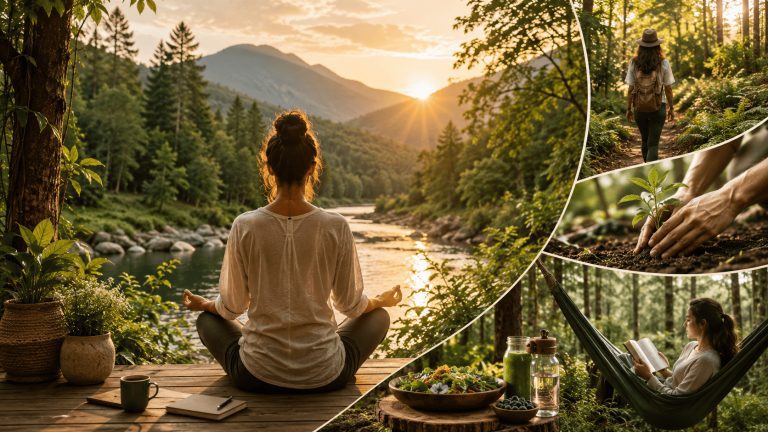
In today’s fast-paced world, many of us long for a more peaceful, meaningful existence. The slow living lifestyle offers a refreshing approach, encouraging us to embrace simple living habits and cultivate stress-free, mindful living. Whether you’re just beginning your journey or looking…
In today’s fast-paced world, many of us long for a more peaceful, meaningful existence. The slow living lifestyle offers a refreshing approach, encouraging us to embrace simple living habits and cultivate stress-free, mindful living. Whether you’re just beginning your journey or looking for fresh ideas, this guide is here to inspire you.
Table of Contents
What Is Slow Living?
Slow living is about intentionally savoring life. It’s a mindset shift from rushing through your days to living with purpose. By focusing on what truly matters, this lifestyle helps reduce stress and fosters mindfulness.
Why Choose Slow Living?
The allure of slow living lies in its ability to restore balance to our hectic lives. It’s not just a lifestyle; it’s a philosophy that teaches us to value time, nurture our well-being, and cherish life’s simple pleasures. In a world dominated by the hustle culture, choosing slow living is a radical act of self-care and mindfulness.
The Benefits of Simple Living Habits
Adopting simple living habits brings numerous benefits:
- Improved Mental Health: By reducing clutter—both physical and emotional—you create space for calm and clarity.
- Better Relationships: Being present helps you connect more deeply with loved ones.
- Sustainability: A simpler lifestyle often means consuming less and living in harmony with the planet.
Steps to Start a Slow Living Lifestyle
1. Simplify Your Schedule
Prioritize what’s essential and let go of unnecessary commitments. Block out time for activities that bring you joy, such as journaling, walking, or spending time with family.
2. Declutter Your Space
A clutter-free environment promotes peace of mind. Start small—clean out a drawer or organize your desk—and work towards creating a home that feels like a sanctuary.
3. Practice Mindful Living
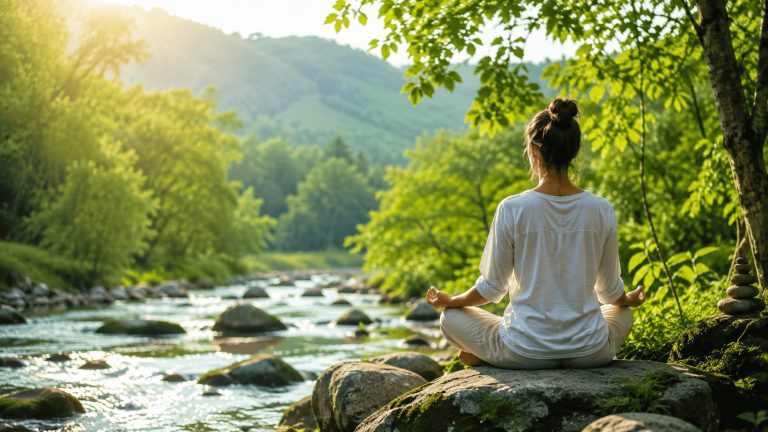
Mindfulness is at the heart of slow living. Be fully present in the moment, whether you’re enjoying a meal, reading a book, or simply breathing.
4. Adopt Simple Daily Rituals
Incorporate soothing habits into your day, such as:
- Drinking herbal tea to unwind.
- Taking a short morning walk to connect with nature.
- Journaling to reflect on your thoughts and feelings.
5. Limit Digital Distractions
Reduce screen time and cultivate digital boundaries. Spend your evenings device-free to relax and recharge.
Creating a Stress-Free, Mindful Living Environment
Transform your home into a haven by:
- Using natural materials and soft lighting to create a cozy atmosphere.
- Surrounding yourself with items that bring you joy and hold meaning.
- Incorporating plants to purify the air and foster a connection with nature.
Finding Joy in Simplicity
Slow living reminds us that joy isn’t found in busyness but in simplicity. By focusing on the present and cherishing the little moments, we can lead richer, more fulfilling lives.
Embracing the slow living lifestyle is an invitation to rediscover the beauty in life’s simplest moments. By adopting simple living habits, we can create a more meaningful, balanced existence—one that prioritizes well-being over busyness. Through stress-free, mindful living environment, we learn to focus on the present, let go of unnecessary distractions, and cultivate a sense of calm and gratitude.

Make this guide useful
How to put A Guide to Slow Living: Finding Joy in Simplicity into practice
Use this article as a focused starting point for exploring Nature. Read the ideas in the context of your own routine, priorities and available resources; the most useful change is usually the one you can return to consistently.
Start with one clear intention
Before trying everything at once, decide what you want this guide to help with. Write down one small, realistic action connected to “A Guide to Slow Living: Finding Joy in Simplicity”, choose when you will try it, and notice what makes it easier or harder to continue.
Use a simple check-in
Give yourself enough time to observe rather than judge. A short note about what you tried, how it fitted into your day and what you would adjust next time can turn general advice into a routine that feels personal and sustainable.
Questions to take with you
- Which part of Nature feels most relevant to my current routine?
- What is the smallest version of this idea I could try this week?
- What would help me keep the change practical, enjoyable and consistent?
Further reading